
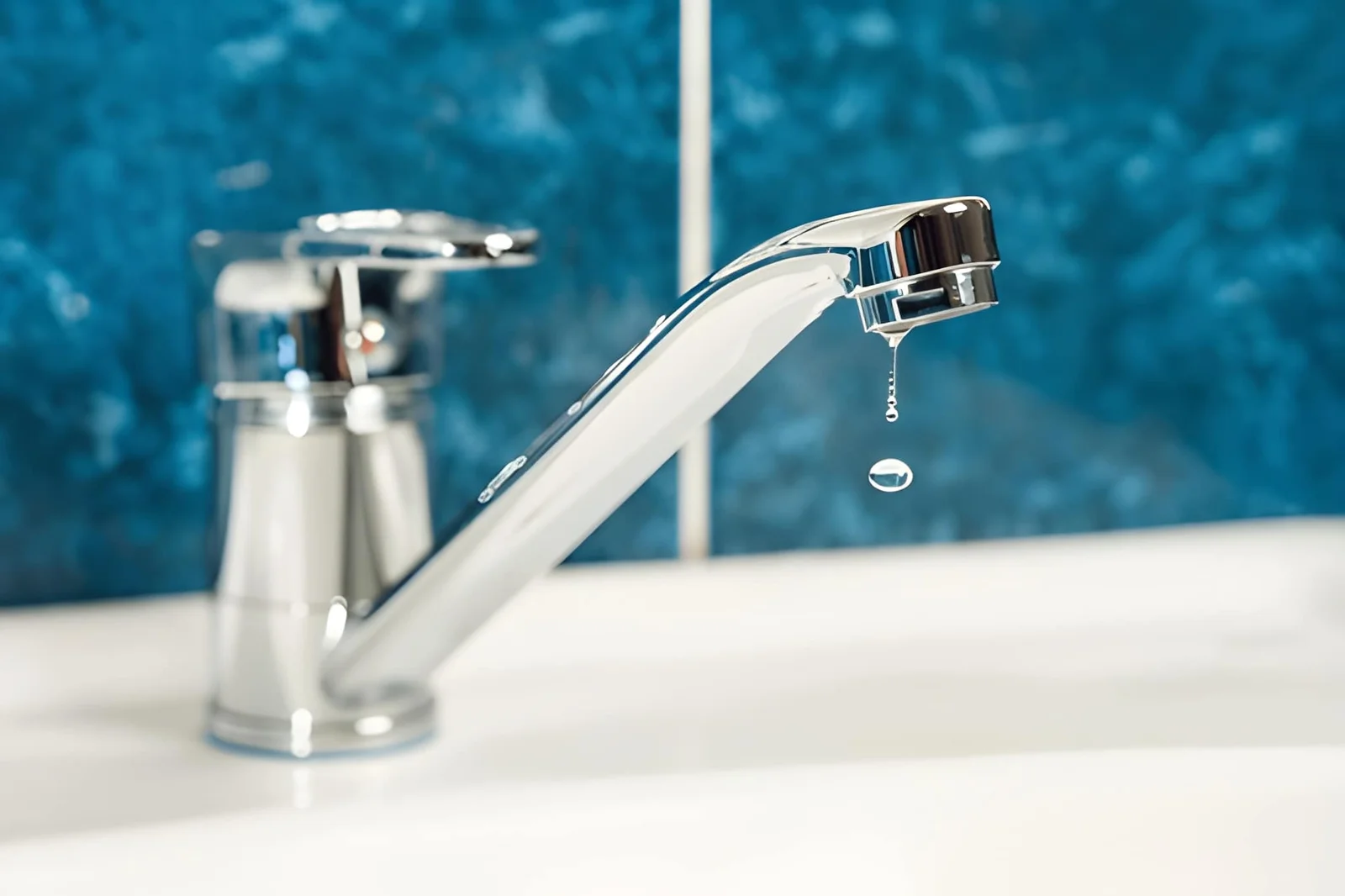
The kitchen faucet drips. The toilet runs after every flush. A door will not latch, and a wall socket feels warm. None of these will ruin your day, but each one is a small repair that can grow into an expensive one. If you are wondering what the most common home repairs every homeowner should know are, the list is shorter than you would expect, and most of it is within reach of a beginner with a few basic tools.
I have watched new homeowners panic over a clogged drain that took five minutes to clear, and I have also seen people attempt electrical work they should have left to a professional. Knowing which jobs to do yourself and which to hand off is the real skill.
This guide covers a quick answer, a table of common repairs by difficulty, water leak data from the EPA, a DIY versus professional comparison, a starter toolkit, mistakes to avoid, and a short FAQ. Laws and permit rules vary, so check yours before starting anything beyond simple repairs.
What are the most common home repairs every homeowner should know?
The most common home repairs every homeowner should know are fixing a leaky faucet, replacing a toilet flapper, clearing a clogged drain, patching drywall, resetting a tripped breaker, replacing a smoke alarm battery, caulking tubs and windows, and tightening loose hinges or door latches. Know where your water shutoff and electrical panel are before you need them.
Which repairs can you do yourself?
| Repair | Difficulty | Tools | Time |
|---|---|---|---|
| Replace a toilet flapper | Easy | Replacement flapper | 15 min |
| Fix a dripping faucet | Easy to medium | Wrench, washers or cartridge | 45 min |
| Clear a clogged sink | Easy | Plunger or drain snake | 20 min |
| Patch small drywall holes | Easy | Spackle, putty knife, sandpaper | 1 hr plus dry time |
| Re-caulk tub or window | Easy | Caulk gun, caulk, utility knife | 1 hr |
| Tighten hinges and latches | Easy | Screwdriver | 10 min |
| Replace a furnace or AC filter | Easy | New filter | 5 min |
| Reset a tripped breaker | Easy | None | 5 min |
| Replace a light switch or outlet | Medium | Voltage tester, screwdriver | 30 min, power off |
What does the water leak data say?
Water repairs are the most common and the cheapest to catch early. The EPA’s WaterSense program says the average home may lose almost 10,000 gallons of water every year to leaks, and 10% of homes have leaks that waste 90 gallons or more per day.
| Leak source | Waste estimate |
|---|---|
| Faucet dripping once per second | More than 3,000 gallons per year |
| Showerhead leaking 10 drips per minute | More than 500 gallons per year |
| Running toilet | Possibly 200 gallons or more per day |
| Fixing easy leaks | Can save about 10% on the average water bill |
To check a toilet, add food coloring to the tank. If color shows up in the bowl in 5 to 10 minutes, it is leaking. EPA advises replacing a flapper that is more than five years old.
When should you call a professional?
| Situation | Why a professional |
|---|---|
| Gas smell or gas appliance repair | Fire and safety risk |
| Electrical panel, wiring, or repeated breaker trips | Shock and fire risk |
| Water heater problems | Gas, pressure, and scalding hazards |
| Roof leaks or structural cracks | Safety and hidden damage |
| Mold covering a large area | Health and cleanup risk |
| Anything requiring a permit | Code compliance |
If you smell gas, leave the home and call your gas utility or emergency number from outside.
What should be in a starter toolkit?
| Tool | Use |
|---|---|
| Adjustable wrench and pliers | Plumbing and fittings |
| Screwdriver set | General tightening |
| Hammer and tape measure | Basic repairs |
| Plunger and drain snake | Clogs |
| Utility knife and caulk gun | Sealing |
| Voltage tester | Checking if power is off |
| Flashlight | Dark spaces |
What mistakes should you avoid?
- Working on electrical without turning off the breaker. Always test that power is off first.
- Ignoring small leaks. Water damage grows quietly.
- Skipping permits. Some repairs need approval, and unpermitted work can cause problems at sale or in an insurance claim.
Frequently asked questions
What should every homeowner know first?
Where the main water shutoff, electrical panel, and gas shutoff are.
How much does a small repair cost?
It depends on the part and your area, but many small fixes cost only the price of a replacement part and basic tools.
Is DIY safe for beginners?
Simple jobs are fine. Stop and call a licensed professional for gas, major electrical, or structural work.
Bottom line
Learn the small, common repairs, find your shutoffs, and keep a basic toolkit. Fix leaks early, and call a professional for gas, electrical panels, and structural issues.
for more home maintainance tips visit https://tipsdrhomey.org/drhomey-handy-tips/