
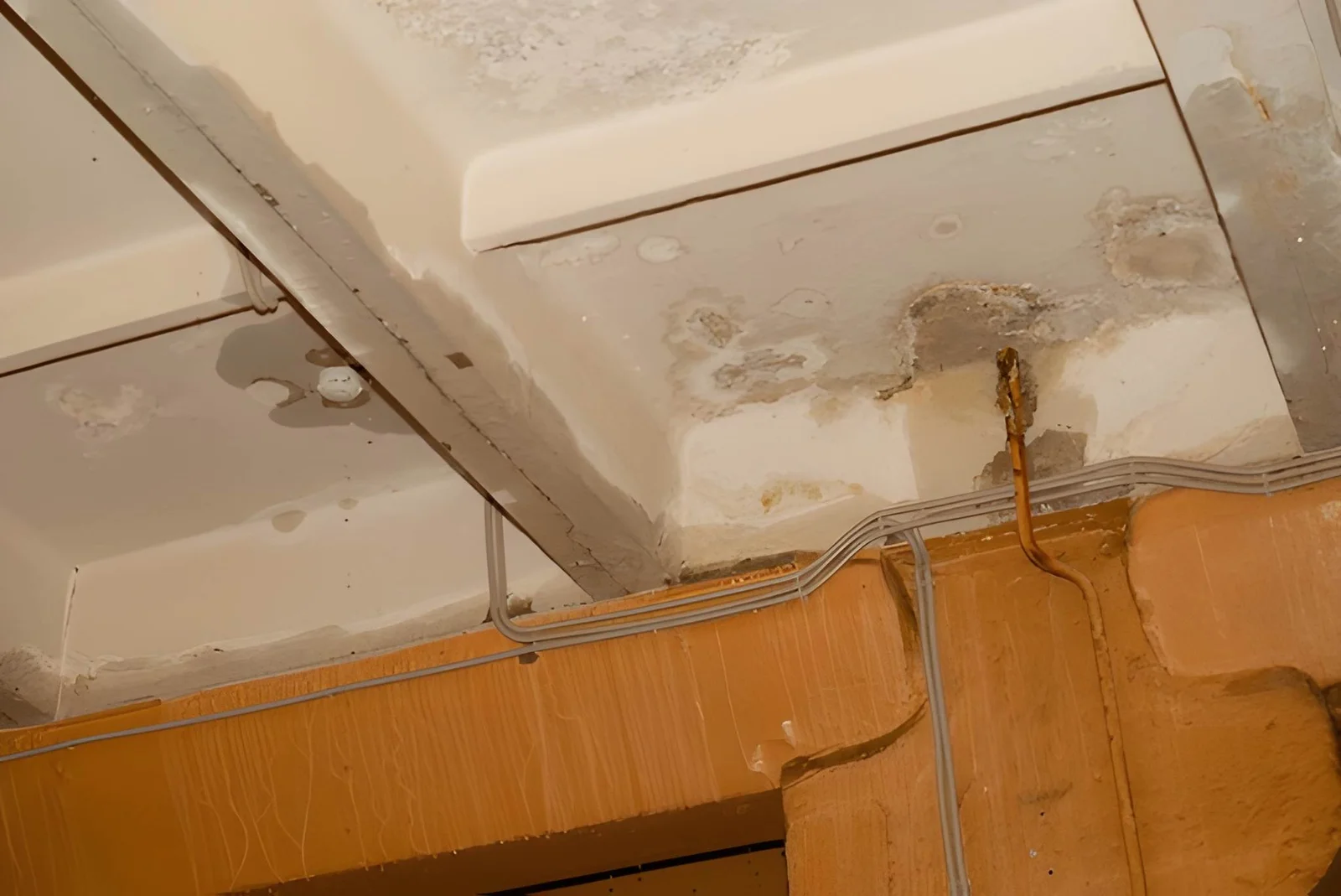
A leak rarely starts with a flood. It starts with a faint musty smell in the hall closet, a water bill that creeps up for no reason, or a paint bubble you tell yourself is nothing. By the time a ceiling stains, the water has often been working for weeks.
The good news is that you can detect hidden water leaks with a few free checks and some attention. The US EPA estimates that the average household wastes nearly 10,000 gallons of water a year to leaks, and about 10 percent of homes lose 90 gallons or more per day. Most of that goes unnoticed.
Most guides tell you to “look for signs” and stop there. This one gives you tests you can run in an afternoon, sorted by how fast they work. Below you’ll find a direct answer, a warning-sign table, a step-by-step meter test, a room-by-room checklist, mistakes to avoid, and quick answers to common questions. You don’t need special tools for any of it, only a bit of patience and a flashlight.
How can you detect hidden water leaks?
To detect hidden water leaks, turn off every water-using appliance, then check your water meter. If the dial or low-flow indicator keeps moving after 30 to 60 minutes, water is escaping somewhere. Pair the meter test with a toilet dye test and a check of walls, ceilings, and cabinets for stains, odors, or soft spots.
What are the warning signs?
| Sign | Where to look | What it may mean |
|---|---|---|
| Musty smell | Closets, basements, under sinks | Moisture trapped behind surfaces |
| Rising water bill | Your monthly statement | Ongoing leak, often in pipes or toilets |
| Bubbling or peeling paint | Walls and ceilings | Water behind the surface |
| Warm spot on the floor | Slab or tile floors | Possible hot water line leak |
| Sound of running water | Quiet rooms at night | Active leak or running toilet |
| Mold or dark patches | Corners, baseboards | Long-term dampness |
How do you run the meter test?
- Turn off all taps, the dishwasher, washing machine, and ice maker.
- Find your water meter, usually near the street, basement, or utility area.
- Look for the small leak indicator, often a triangle or dial, and see if it spins.
- If there’s no indicator, write down the meter reading, wait an hour without using water, and check again.
- Any change means a leak somewhere in the system.
Which checks take the least time?
| Check | Time needed | How it works |
|---|---|---|
| Toilet dye test | 15 minutes | Add food coloring to the tank. If color reaches the bowl without flushing, the flapper leaks |
| Meter test | 30-60 minutes | Detects any hidden flow in the house |
| Under-sink inspection | 5 minutes | Run a dry paper towel along pipes and joints |
| Appliance hose check | 10 minutes | Look for bulges, rust, or drips behind washers and dishwashers |
| Pressure gauge check | 5 minutes | A gauge on an outdoor spigot shows pressure. Normal is roughly 40-60 psi, and consistently above 80 can stress pipes |
Which spots do people forget?
- Under the kitchen sink and behind the fridge. Ice maker lines are a common source of slow drips.
- Around the water heater. Check for rust, pooling, or crusty mineral buildup at connections.
- Bathroom walls near showers and tubs. Soft or discolored drywall deserves attention.
- Outdoor hose bibs and irrigation lines. A damp patch of lawn in dry weather can signal an underground leak.
- Attics and ceilings below bathrooms. Stains appear here first.
What mistakes should you avoid?
- Ignoring a slightly higher bill. A small, steady rise is often the first clue.
- Checking only visible pipes. Leaks often hide in walls, slabs, and ceilings.
- Using bleach on suspected mold. Surface cleaning doesn’t fix the water source.
- Waiting for stains. By then, materials may already be damaged.
- Skipping a pro for large clues. Warm floors, falling pressure, or a persistent meter spin need a licensed plumber.
Frequently asked questions
How fast can a hidden leak cause damage?
Mold can begin growing in 24 to 48 hours on a damp surface, according to the EPA, so quick action matters.
Can a small leak raise my water bill?
Yes. A drip that seems minor adds up over weeks and months, and it can add noticeable cost to a bill.
Should I call a plumber right away?
Call one if the meter keeps moving after you’ve checked toilets and visible pipes, or if you see wall stains, warm floors, or sagging ceilings.
Does home insurance cover leaks?
Coverage depends on the policy and the cause. Sudden pipe bursts are often covered, while gradual leaks often aren’t. Check your policy.
Bottom line
You can detect hidden water leaks with simple habits: read your meter, run a toilet dye test, check under sinks, and notice smells and stains early. Fix small problems fast, and call a licensed plumber for anything you can’t trace. A ten-minute check today can save thousands in repairs later.
for more tips visit https://tipsdrhomey.org/drhomey-handy-tips/