
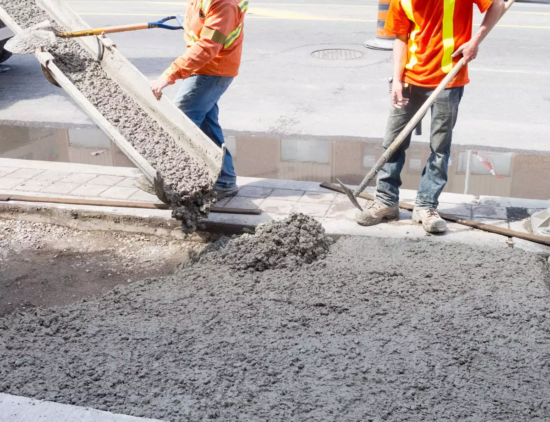
Concrete has long been the backbone of Canadian construction, from the sturdy foundations of urban high-rises in Toronto to the resilient driveways enduring Saskatchewan’s freeze-thaw cycles. As a material, it offers unmatched durability and versatility, but the demands of modern building are evolving. Harsh weather, environmental regulations, and a push for efficiency mean contractors must adapt or risk falling behind. Whether you’re pouring slabs for new residential developments or reinforcing commercial projects, staying ahead requires embracing fresh approaches that balance strength, sustainability, and speed.
One practical way this evolution shows up is in maintaining older installations, where techniques like outdoor concrete resurfacing extend the life of patios and walkways without the expense of total demolition. This method applies a thin, bonded layer to refresh surfaces, restoring functionality while minimizing waste. It’s a smart, low-disruption option that aligns with the broader shift toward resourceful building practices.
The Rise of Sustainable Concrete Mixes
Sustainability isn’t just a buzzword in Canadian construction; it’s a necessity driven by federal commitments and provincial incentives. With cement production contributing significantly to national emissions, the industry is pivoting toward low-carbon alternatives. Imagine mixing concrete that cuts emissions by up to 70 percent without sacrificing performance. That’s the promise of supplementary cementitious materials like fly ash and slag, which replace portions of traditional Portland cement.
These blends not only reduce the carbon footprint but also enhance workability and long-term strength. In regions with heavy rainfall, such as British Columbia’s coastal areas, they resist cracking better under moisture stress. Contractors report fewer callbacks for repairs, which translates to happier clients and steadier cash flow. The key is sourcing from certified suppliers who verify the material’s environmental claims through lifecycle assessments.
Take geopolymer concrete, for instance. This innovative mix uses industrial byproducts like rice husk ash to form a binder, eliminating the need for high-heat kilns. Early adopters in Alberta’s oil sands projects have seen it hold up against extreme temperature swings, proving its viability for demanding sites. To integrate this, start small: test batches on non-critical elements like curbs or retaining walls. Over time, scaling up can position your firm as a leader in green building, appealing to eco-conscious developers.
The momentum is clear. Canada’s cement and concrete sector is on track to produce 55 million tonnes of cement and 400 million tonnes of concrete over the next five years, with a structured plan to reach net-zero emissions by 2050. This roadmap includes incentives for low-carbon procurement in public projects, making it easier for contractors to justify the upfront costs. By aligning with these goals, you’re not just complying; you’re future-proofing your business against stricter regulations.
Technological Tools Transforming the Trade
Gone are the days of relying solely on tape measures and gut instinct. Digital tools are revolutionizing how concrete contractors plan, pour, and cure. Drones equipped with thermal imaging now scan sites pre-pour, identifying soil inconsistencies that could lead to uneven settling. In Quebec’s variable terrain, this tech has cut preparation time by 30 percent on average, allowing crews to focus on execution.
Then there’s concrete sensors, small devices embedded during the pour to monitor hydration in real time. Connected via apps, they alert you to curing issues like low humidity or rapid drying, preventing defects before they form. For a mid-sized contractor handling bridge repairs in Ontario, these have reduced rework by half, saving thousands in labor and materials. The data also builds a digital twin of the project, useful for warranties or future inspections.
3D printing takes innovation further, especially for custom formwork. Printers extrude biodegradable molds on-site, replacing wooden setups that often warp or waste resources. A pilot in Manitoba demonstrated how this cuts formwork costs by 40 percent while enabling complex shapes impossible with traditional methods. Picture fabricating ornamental facades or curved retaining walls with precision, all while reducing landfill contributions. For contractors, the barrier is initial training, but partnerships with tech providers offer affordable entry points, including lease-to-own models.
Fiber-reinforced concrete (FRC) deserves a spotlight too. By adding synthetic or steel fibers to the mix, you boost tensile strength without extra rebar. This is game-changing for stamped patios or industrial floors, where cracks from heavy loads are common. In Atlantic Canada, where salt exposure accelerates deterioration, FRC extends service life by years. Mix designs are straightforward, and the result is a smoother finish that clients love for its aesthetic appeal.
Navigating Market Growth and Challenges
The Canadian construction market reflects this innovative spirit, projected to reach CAD 222.11 billion in 2025, fueled by residential rebounds and infrastructure investments. Concrete contractors stand to benefit, particularly in non-residential segments like transportation and utilities, where spending is ramping up. Yet, growth brings hurdles: labor shortages and material price fluctuations top the list.
Skilled pourers and finishers remain scarce, with many firms turning to apprenticeships or cross-training carpenters in concrete basics. To attract talent, emphasize perks like flexible schedules or tech-integrated workflows that make the job less physically taxing. On pricing, hedge against volatility by locking in supplier contracts early and exploring bulk buys for additives.
Weather remains the wildcard. Canada’s diverse climates demand adaptive strategies, from heated enclosures in the Prairies to rapid-set mixes in the Maritimes that cure before storms hit. These aren’t luxuries; they’re essentials for meeting deadlines and avoiding costly delays. Successful contractors build buffers into bids, allocating 10-15 percent for contingencies while communicating transparently with clients.
Best Practices for Concrete Excellence
To thrive, adopt a holistic approach. Begin with thorough site assessments, using geotechnical reports to inform mix selections. For example, in clay-heavy soils common in the Fraser Valley, opt for low-shrinkage formulas to mitigate heaving.
Quality control starts at the batch plant. Calibrate trucks regularly and insist on slump tests every load. On-site, deploy vibrators evenly to eliminate voids, and cover fresh pours with curing blankets to retain moisture. These steps sound basic, but they prevent 80 percent of common failures.
Client education seals the deal. Walk homeowners through options like polished versus broom finishes, helping them visualize the outcome. For commercial bids, highlight ROI: a durable slab might cost more upfront but slashes maintenance over decades.
In wrapping up, the concrete contracting landscape in Canada is buzzing with opportunity. From eco-friendly mixes to smart tech, these advancements empower you to deliver projects that stand the test of time and climate. As a contractor, your role is pivotal: not just building structures, but crafting legacies of reliability and innovation. Dive in, experiment boldly, and watch your reputation solidify.