
Concrete has long been the backbone of Canadian construction, forming the foundations of homes, bridges, and urban landscapes that withstand our relentless winters and bustling summers. From the frost-heaved sidewalks of Toronto to the expansive commercial pads in Vancouver, this versatile material powers progress across the nation. Yet, as environmental concerns mount and building codes evolve, the role of concrete contractors is shifting. No longer just pourers of slabs, they are innovators driving sustainability into every mix. In this post, we explore how forward-thinking concrete contracting practices are reshaping the industry, offering builders and homeowners alike durable, eco-conscious solutions tailored to Canada’s unique demands.
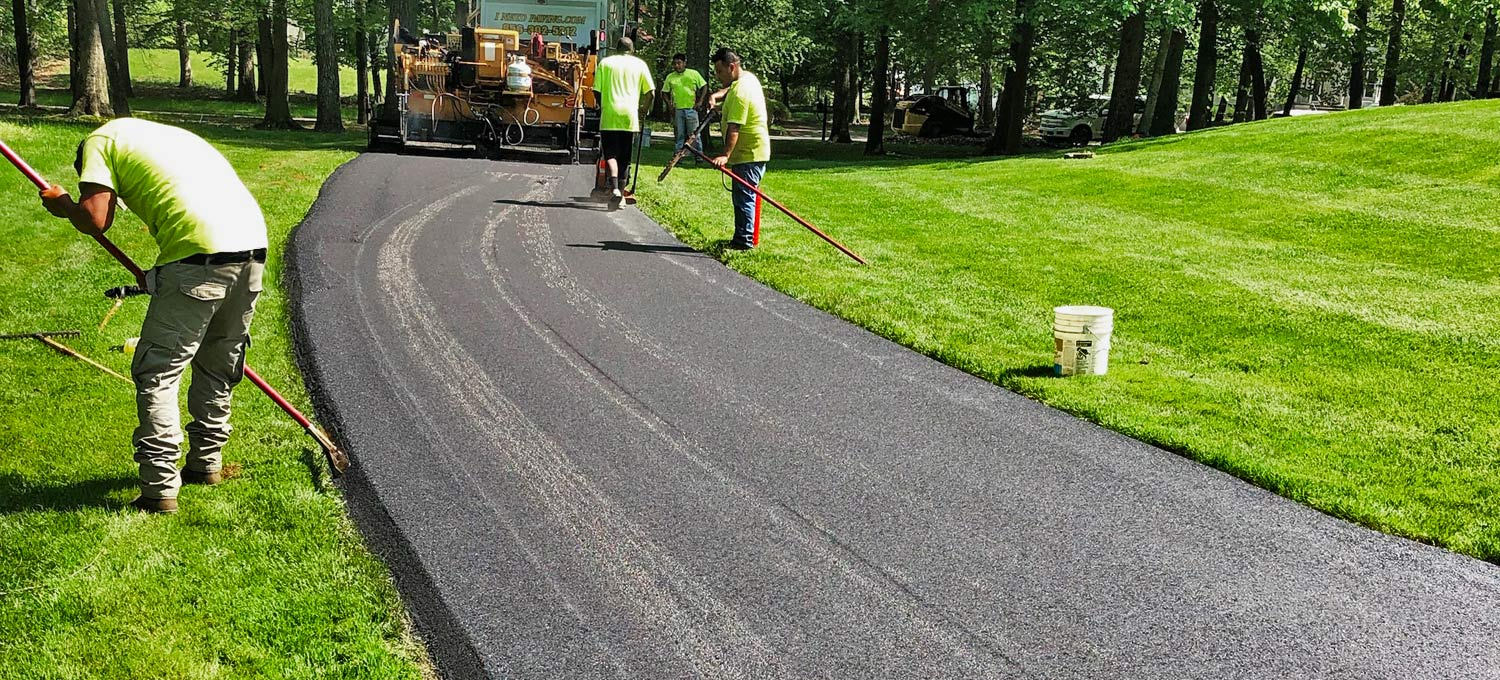
When embarking on a project that involves expansive outdoor surfaces, it’s wise to collaborate with experienced teams early on. For instance, engaging professional paving contractors who specialize in concrete installations can ensure seamless integration of durable surfaces in your project, blending functionality with aesthetic appeal. This approach not only streamlines the process but also highlights the interconnected nature of site preparation and long-term performance.
The Surge in Sustainable Practices
Canada’s construction sector is booming, with the concrete contractors industry projected to reach $15.1 billion in revenue by the end of this year, reflecting a steady compound annual growth rate of 3.2 percent over the past five years. This expansion is fueled not just by population growth and infrastructure investments but by a collective push toward greener building methods. Homeowners and developers are increasingly prioritizing low-carbon alternatives, recognizing that traditional Portland cement production accounts for about eight percent of global emissions. In response, concrete contractors are adopting supplementary cementitious materials like fly ash and slag, which repurpose industrial byproducts to reduce the carbon footprint without compromising strength.
Consider the rise of pervious concrete, a porous mix that allows water to filter through, mitigating urban flooding in cities like Calgary and Montreal. This innovation addresses stormwater management challenges exacerbated by climate change, where heavy rains can overwhelm aging sewer systems. Contractors skilled in pervious installations are seeing demand spike, particularly for parking lots and residential driveways, where it doubles as a heat-island reducer by promoting natural evaporation. The result? Sites that breathe easier, supporting local ecosystems while complying with municipal green building incentives.
Beyond materials, the procurement process itself is evolving. Many contractors now source locally to cut transportation emissions, partnering with regional suppliers in Ontario’s cement belt or British Columbia’s coastal facilities. This not only bolsters the economy but ensures fresher mixes that perform better in transit-sensitive applications. As one Toronto-based contractor noted in industry forums, switching to regional aggregates shaved 15 percent off their project’s embodied carbon, a tangible win for sustainability metrics.
Cutting-Edge Innovations in Mix Design
At the heart of modern concrete contracting lies innovation in mix design, where science meets practicality to create materials that last longer and harm less. Ultra-high-performance concrete (UHPC) stands out as a game-changer, boasting compressive strengths exceeding 150 megapascals, compared to the standard 30-40 for conventional mixes. In Canada, where freeze-thaw cycles can crack ordinary concrete like eggshells, UHPC’s dense microstructure repels water ingress, extending service life by decades. Bridge repairs in Quebec and precast elements for high-rises in Edmonton are prime examples, showcasing how contractors leverage UHPC for thinner, lighter components that slash material use.
Another breakthrough is photocatalytic concrete, infused with titanium dioxide nanoparticles that activate under sunlight to break down pollutants like nitrogen oxides. Ideal for urban environments such as Ottawa’s downtown corridors, this self-cleaning variant improves air quality while requiring less maintenance. Contractors applying it report up to 20 percent reductions in facade cleaning costs over a decade, making it a smart investment for commercial facades and noise barriers along highways.
Self-healing concrete takes sustainability further by incorporating bacteria or polymers that seal micro-cracks autonomously when exposed to water or air. Developed by Canadian researchers at the University of Waterloo, this technology is gaining traction in residential basements and retaining walls prone to settlement issues in clay-rich soils like those in the Prairies. Imagine a foundation that repairs itself after a harsh winter, minimizing callbacks for contractors and delighting homeowners with worry-free longevity.
These advancements aren’t confined to labs; they’re scaling through digital tools. Concrete contractors now use IoT-enabled sensors to monitor curing in real-time, optimizing hydration and detecting anomalies before they escalate. In a Vancouver high-rise project, such monitoring reduced waste by 12 percent, proving that data-driven contracting isn’t just efficient, it’s essential for hitting sustainability targets.
Navigating Canada’s Harsh Climates
Canada’s geography presents formidable challenges for concrete work, from sub-zero pours in Winnipeg to seismic considerations in Victoria. Winter construction demands admixtures like calcium chloride to accelerate setting times, ensuring slabs gain strength before the next snowfall. Yet, overuse risks corrosion in rebar, so savvy contractors turn to corrosion-inhibiting fibers instead, weaving a protective net through the mix.
Salt exposure from de-icing compounds is another nemesis, accelerating deterioration on roadways and walkways. Here, epoxy-coated reinforcements and silica fume additives create impermeable barriers, as seen in Highway 401 expansions where contractors extended pavement life by 25 years. For coastal regions like Halifax, sulfate-resistant cements combat seawater ingress, safeguarding marine structures against aggressive ions.
Earthquakes add complexity in the West, prompting contractors to integrate fiber-reinforced polymers for enhanced ductility. These flexible additives allow concrete to bend without brittle failure, a critical feature in retrofitting older buildings to meet updated seismic codes. In all cases, climate-adaptive strategies underscore the contractor’s role as a problem-solver, tailoring mixes to site-specific threats.
Selecting a Concrete Contractor: Key Considerations
Choosing the right concrete contractor goes beyond quotes and timelines; it’s about aligning with a partner who embodies these innovations. Look for certifications from the Canadian Standards Association, signaling adherence to rigorous quality benchmarks. Experience in your region’s quirks, whether it’s insulating forms for cold-weather pours in Saskatchewan or vapor barriers for humid basements in the Maritimes, ensures precision.
Evaluate their sustainability credentials too. Does the firm track carbon metrics or prioritize recycled aggregates? A contractor transparent about their supply chain demonstrates commitment to the green ethos now embedded in Canada’s National Building Code updates. Site visits and reference checks reveal their on-the-ground execution, from precise joint placement to flawless finishing that prevents water pooling.
Collaboration is key. Top contractors engage clients in pre-pour planning, using 3D modeling to visualize outcomes and adjust for variables like soil bearing capacity. This foresight minimizes change orders, keeping projects on budget and fostering trust.
Real-World Impacts and Future Horizons
Across Canada, these practices are yielding measurable benefits. In a Kitchener mixed-use development, pervious concrete parking reduced runoff by 70 percent, earning LEED credits and community praise. Similarly, UHPC bridges in Alberta have cut maintenance budgets by a third, freeing funds for further infrastructure.
Looking ahead, the cement market is poised for 5.4 percent annual growth, reaching $832.2 million this year, driven by regulatory pushes for low-emission materials. Expect wider adoption of carbon-capture tech in plants and bio-based admixtures from agricultural waste, further greening the sector. Contractors who invest in training and R&D will lead this charge, turning challenges into opportunities for resilient, regenerative builds.
In essence, sustainable concrete contracting isn’t a trend; it’s the new standard for Canadian construction. By embracing innovations and climate-smart strategies, contractors are crafting legacies that endure our toughest conditions while nurturing the planet. Whether you’re a developer eyeing a commercial tower or a homeowner planning a backyard retreat, partnering with a forward-looking concrete expert promises structures that stand strong for generations. Ready to pour the foundation for your next project? The right mix awaits.