
Home improvement has shifted from surface level upgrades to deeper, construction driven decisions that affect how a home functions for decades. Today’s homeowners are more informed, more selective, and far more interested in understanding what happens behind the walls before committing to a project. This change is especially visible in structural renovations, where planning quality now matters just as much as craftsmanship.
Rather than chasing trends, the smartest home improvements focus on longevity, performance, and adaptability. Construction is no longer just about building something new. It is about building something that integrates seamlessly with the existing structure, meets future needs, and avoids costly revisions later.
Why Planning Is the New Foundation of Construction Projects
In construction focused home improvement, planning determines outcomes more than materials alone. Poor planning leads to inefficient layouts, missed code requirements, and budget overruns. Strong planning creates clarity, predictability, and confidence for everyone involved.
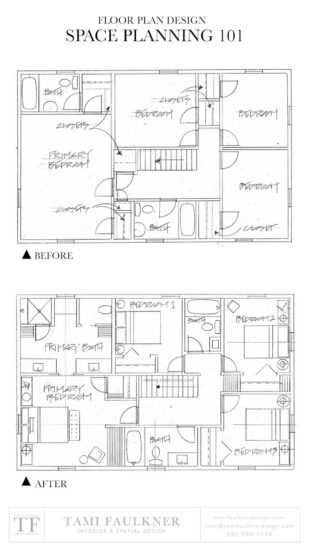
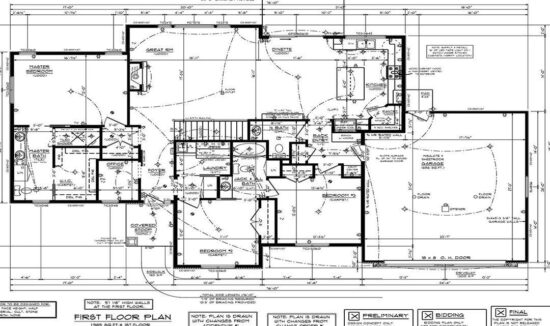
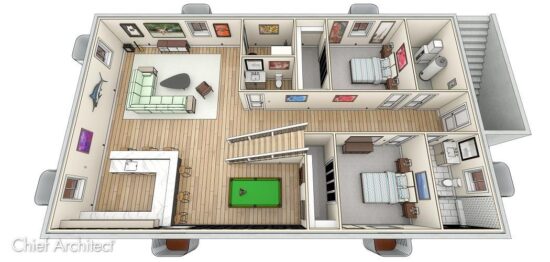
Early stage visualization tools have become essential in this process. Many homeowners now rely on 3D Basement Design Services to understand spatial flow, ceiling heights, mechanical placement, and usability before demolition begins. This approach reduces assumptions and helps align homeowner expectations with construction realities without turning the design phase into a sales pitch.
From a construction standpoint, accurate planning minimizes change orders, reduces delays, and allows trades to work more efficiently. When everyone can see the same end goal, execution becomes smoother and safer.
Structural Improvements That Deliver the Highest Long Term Value
Not all home improvements are equal when evaluated through a construction lens. Cosmetic upgrades may refresh a space, but structural improvements strengthen the home’s core performance and long term market value.
Some of the most impactful construction based improvements include:
Foundation Reinforcement and Waterproofing
A strong foundation protects every other investment in the home. Addressing moisture intrusion, cracks, or aging materials prevents structural deterioration and interior damage. According to recent industry data, homes with unresolved foundation issues can lose over 10 percent of their resale value, making proactive reinforcement a high return decision.
Load Bearing Wall Modifications
Opening up interior spaces often requires modifying or replacing load bearing walls. This type of improvement must be engineered properly to maintain structural integrity. When done correctly, it dramatically improves livability while preserving safety.
Basement Structural Conversions
Basements represent one of the largest untapped areas in most homes. Converting a basement into functional living space requires careful consideration of ceiling height, egress, insulation, and load distribution. Construction focused planning ensures these elements are addressed upfront rather than corrected mid project.
The Role of Construction Sequencing in Successful Renovations
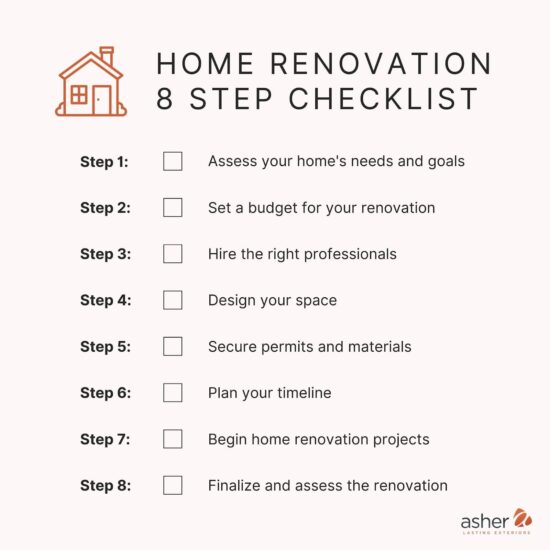
One of the most overlooked aspects of home improvement is construction sequencing. Even well designed projects can fail when tasks are performed out of order.
Effective sequencing follows a logical progression:
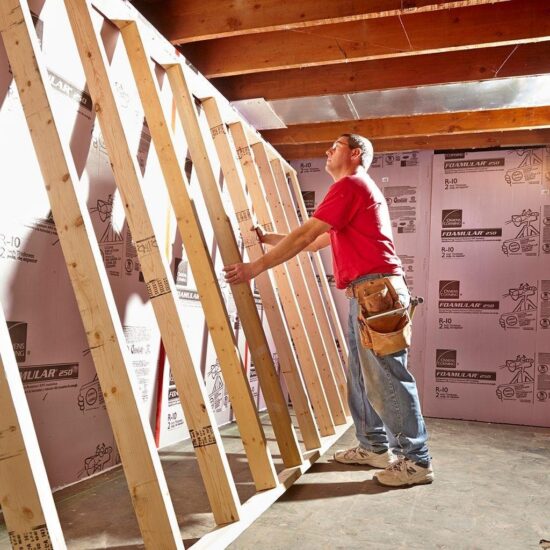
- Structural work and framing
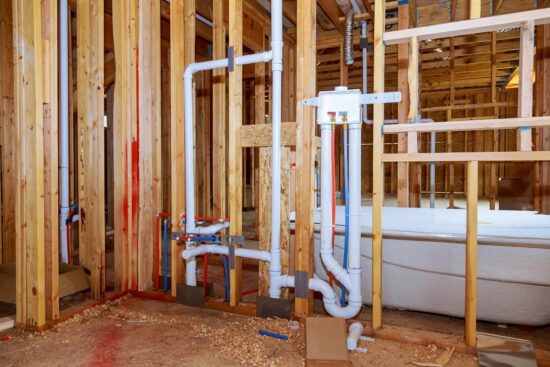
- Mechanical systems such as plumbing, electrical, and HVAC
- Insulation and moisture control
- Drywall and surface finishes
- Final fixtures and detailing
Skipping steps or rushing finishes before systems are finalized often leads to rework. In construction, rework is one of the largest contributors to cost overruns. Homeowners who understand sequencing tend to make better decisions and experience fewer surprises.
How Building Codes Shape Home Improvement Decisions
Modern home improvement is inseparable from building code compliance. Codes exist to protect safety, energy efficiency, and structural integrity. Ignoring them is not just risky, it can also invalidate permits and insurance coverage.
Construction professionals must account for:
- Minimum ceiling heights
- Fire separation requirements
- Proper stair geometry
- Ventilation and air quality standards
- Egress access in below grade spaces
Recent housing safety reports show that code compliant renovations reduce long term maintenance issues and improve occupant safety outcomes. This reinforces why construction driven planning should always lead design decisions, not follow them.
Material Choices That Support Structural Performance
Materials play a critical role in construction quality, but selection should be driven by performance rather than appearance alone.
For example:
- Engineered lumber offers greater strength and consistency than traditional dimensional wood.
- Closed cell insulation improves both thermal performance and moisture resistance.
- Moisture resistant drywall extends lifespan in below grade environments.
Homeowners who prioritize construction performance over short term aesthetics often find their spaces age better and require fewer repairs over time.
Communication Between Homeowners and Builders
Clear communication is one of the strongest predictors of a successful construction project. Homeowners who understand the construction process can ask better questions and make informed decisions.
Effective communication includes:
- Reviewing plans in detail before work begins
- Understanding what changes impact structure versus finishes
- Knowing when flexibility exists and when it does not
- Recognizing how small design changes can affect construction timelines
Visual planning tools help bridge the knowledge gap between homeowners and builders, reducing misunderstandings and aligning expectations early.
Construction Focused Home Improvement as a Long Term Strategy
Home improvement should be viewed as a long term strategy rather than a series of isolated projects. Construction decisions made today affect future renovation options, maintenance costs, and resale potential.
When improvements are approached holistically, homeowners benefit from:
- Better structural efficiency
- Improved energy performance
- Increased usable space
- Higher property value stability
Rather than reacting to problems as they arise, construction driven planning allows homeowners to anticipate needs and build solutions proactively.
Final Thoughts
The most successful home improvements are built on construction knowledge, not just design inspiration. By prioritizing planning, structural integrity, and code compliance, homeowners create spaces that are functional, safe, and durable.
Construction focused improvements may require more thought upfront, but they consistently deliver better outcomes. When homeowners understand how design, materials, and sequencing work together, they gain control over both the process and the result. In modern home improvement, that understanding is one of the most valuable investments a homeowner can make.