
Welcoming a cat into your home is like a hallmark of adulthood. You’ve got your food set, your litter box established, your plush pineapple bed picked out – but how to ensure the household is safe, stable, and appropriate for an inquisitive kitty?
Cats don’t merely exist in your home; they explore. It doesn’t matter if you’ve just adopted the cutest little domestic shorthair kitten or brought home a sweet Ragdoll. You need to kitty-proof your home.
From room to room and edge to edge, here’s how to best prepare your house for a new feline friend.
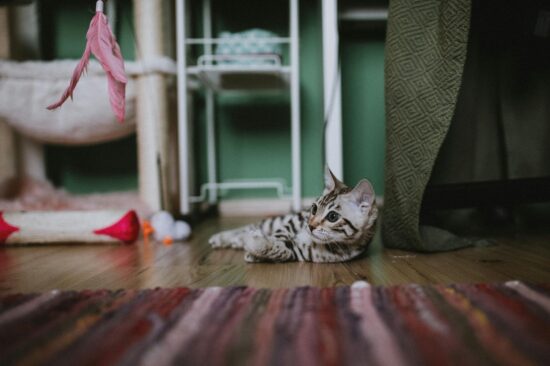
Think Like a Cat
Before you block or remove anything, observe your home from a cat’s point of view. Look low. Look high. Open cabinets. Tug on cords. Ask yourself: if I could climb, pounce, squeeze, or scratch—what would I go for?
Start with these basic rules:
- Anything small enough to swallow needs to go
- Any dangling string, cord, or wire should be secured
- Any space that could trap a cat needs to be blocked or sealed
Now, let’s dig into each room.
The Living Room
Is there anything better than curling up with your cat on the couch? The living room may be your kitty’s favorite place in the house. Cozy couches, warm sun puddles, and all of your love at their disposal. But beyond all of the comfort of the living room lie potential dangers.
Cords and Wires
From TV wires to blind pull cords to phone charger wires, it seems there is always some sort of chew toy or tangle opportunity. Ensure wires are kept in back of the furniture and covered where possible. Cord wraps or spiral sleeves may keep wires together in one piece and out of reach.
Houseplants
Not all plants are animal friendly. If you have any potted plants in your home, check their safety against ASPCA guidelines because items like lilies, philodendrons and peace lilies are popular but poisonous to felines. Safe alternatives include spider plants, areca palms or cat grass.
Cat Climbing spots
Cats are climbers. They will make a jungle gym out of your bookshelf or entertainment unit. If you have tall furniture, secure it to the wall so it doesn’t tip. Also, make sure you have museum putty keeping photos/trinkets on surfaces so they won’t shift and fall down when the surface is bumped into.
The Kitchen and Dining Areas
The kitchen hums with smells, movement, and sounds—naturally, your cat will see it as a place worth investigating. But for all its sensory delights, it’s also one of the most dangerous areas in your home.
Cupboards and Drawers
Childproof locks on lower cupboards will stop your cat from nosing into cleaning products or snack packs. Make sure bins are covered or inside closed cupboards to avoid foraging or tip-overs.
Toxic Foods
Not everything on your plate is safe to share. Chocolate, onions, garlic, grapes, and alcohol can all cause harm. Keep food prep areas clean, avoid leaving plates unattended, and store ingredients well out of reach. Even a small piece of onion dropped on the floor can lead to serious health problems.
Dining Table Distractions
Some cats view the dinner table as a stage. While it’s tempting to let them join in, setting boundaries early on helps avoid begging, stealing, or broken dishes. Redirect their attention with a perch or cat tree near the table so they can observe without interfering.
Bedrooms and Bathrooms
Where you see a peaceful haven, your cat sees an obstacle course to a treasure trove of buried items and surprises – everything from rumpled bedding to your jewelry floating through the air.
Open Drawers and Closet Doors
That pile of neatly folded shirts? A family of cats. Some cats find themselves in drawers and get stuck when the drawers are closed. Always check your closests and dresser drawers before shutting the door or the drawer. This is especially true with young Ragdoll kittens who love to curl up in a soft and dark place.
Laundry Bins and Washing Machines
The laundry bin is stuffed with clothes that are now covered in your scent; the clothes smell comforting to your feline friend. But once they move into the washing machine or the dryer, it becomes fatal. Always check your machines before use. Always keep doors shut and laundry bins closed or up high.
Toilets and Cleaning Products
The bathroom is another troublesome area. Toilet water is filled with cleaning materials – keep the lids down. Bleach and razors and dental floss should be locked up in cabinets. Many cats like to play in sinks or dive into the bathtub; always ensure your cat doesn’t get stuck in there before you leave the room.
Outdoor Areas and Balconies
Not all cats roam. In fact, many councils now encourage indoor-only lifestyles or supervised outdoor time. Whether you’ve got a backyard or a high-rise balcony, pet-proofing the great outdoors is just as vital.
Balcony Railings and Heights
Cats don’t always land on their feet. A distracted jump – or jump from being scared – from a balcony could lead to injury. For those with apartments, cat netting or mesh for the balcony can deter falls. Also, be mindful of furniture placement near railings – Ragdoll kittens curious enough about the world may use a chair as a stepping stone.
Fencing and Exits
Fenced-in backyards might seem safe, but cats are experts at scaling and squeezing through spaces. Holes under fences, slats of lattice and branches hanging over provide plenty of access points to escape. If you’re going to allow your cat outdoors, consider building a catio for some safe outdoor time.
Plants and Chemicals for the Garden
Flower beds, fertilisers and mulch can all be harmful to cats. Cocoa mulch has a chocolate-y smell that’s dangerous to animals. Snail pellets, weed killers, and pesticides can be just as horrible. Use pet-friendly options or fence parts of the yard off that you’ve treated.
Enrichment and Safe Alternatives
Pet-proofing isn’t merely a matter of taking away dangerous circumstances, but also providing better alternatives. If you don’t give your cat something to climb, scratch or chew, they will. And that something will most likely be your curtains or beloved chair.
Scratching posts and pads
Cats need to scratch to stretch, assert territorial dominance, and shed the outer sheath of their claws. You can avoid a shredded sofa by positioning vertical and horizontal scratchers in high-traffic areas. Consider carpeted scratch towers, sisal-covered poles, or scratch pads made from cardboard. Ragdoll kittens will not necessarily scratch more than any other breed, but they will need a positive outlet for this otherwise natural behavior.
Perches and Hiding Places
Cats like to be up high and have places to hide. Consider a window perch, some wall shelving or a comfortable spot on top of a bookshelf. For hiding places, consider a covered cat bed or a cat tunnel. That way, when the day becomes overwhelming, they have a little hideaway of their own.
Interactive Toys
Give your cat engaging toys like puzzle feeders, teaser wands and motion activated toys so that they don’t turn to household items you don’t want them playing with (like hair ties, string). Keep these toys rotated out regularly every few days. A bored cat is a destructive cat.
Placement of Litter Box
Every cat – yes, even the more chill ones – needs somewhere to go. Do not place a litter box in a high traffic area or next to something noisy like a washing machine. Instead, place it in a low key, accessible part of your home. If you have more than one floor, place one on each floor as well.
Final Thoughts: Creating a Safe and Happy Home
Pet-proofing might seem like a long to-do list, but it’s less about restrictions and more about creating the right environment. A place where your cat feels safe to explore, play, nap, and grow.
Take it one room at a time. Adjust as your cat grows. And remember, no setup will be perfect on day one. What matters most is your effort to make your home not just cat-friendly, but cat-welcoming.
Because once they’re in, they’re not just your pet. They’re your shadow, your sidekick, and in many cases—your boss.