
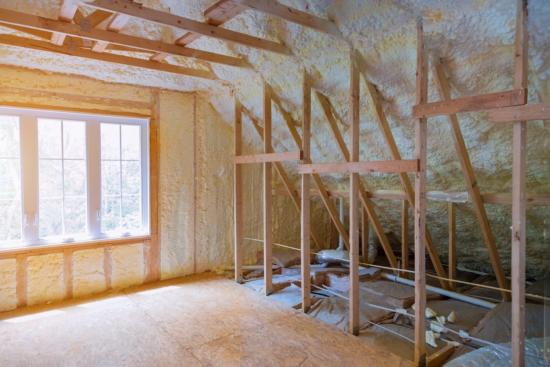
As temperatures drop, a well-insulated attic becomes essential for maintaining comfort and energy efficiency. When insulation begins to fail, it can lead to higher heating costs, uneven indoor temperatures, and even structural issues. Recognizing the warning signs early helps homeowners prepare their homes before the cold season begins.
Uneven Temperatures Throughout the Home
One of the most common indicators of failing attic insulation is inconsistent indoor temperatures. If certain rooms feel noticeably colder than others, the insulation may have gaps or compression. This uneven distribution allows warm air to escape, making heating systems work harder to maintain comfort.
Rising Energy Bills
A gradual increase in energy costs often points to poor insulation performance. When warm air leaks through the attic, heating systems run more frequently to compensate for the loss. An insulation company in Ottawa can assess current insulation levels and recommend solutions that improve efficiency and reduce costs.
Drafts or Cold Spots Near Ceilings
Even with closed windows and doors, drafts can occur when attic insulation deteriorates. Cold air from the attic seeps into living spaces, creating chilly areas near ceilings or upper walls. Over time, this can lead to discomfort and an increase in condensation, which may damage paint or drywall.
Visible Moisture or Mold
Moisture buildup in the attic is a serious sign of insulation failure. Without adequate insulation, warm indoor air meets the cold roof surface and forms condensation. This moisture promotes mold growth and can weaken wooden structures. Regular inspection helps identify early signs of dampness before they cause lasting damage.
Icicles and Ice Dams on the Roof
Ice dams form when heat escapes through the attic, melting snow on the roof that refreezes near the edges. These formations indicate heat loss and insufficient insulation. Persistent ice buildup not only wastes energy but can also cause roof leaks and damage to gutters.
Old or Compressed Insulation Material
Insulation materials lose effectiveness over time. Settling, compression, or damage from pests can reduce their ability to trap heat. Homeowners who have not upgraded their insulation in many years may benefit from a professional evaluation to determine if replacement is necessary.
When to Consider an Upgrade
Upgrading attic insulation before winter ensures consistent warmth and lower energy use. Modern materials, such as blown in insulation ottawa, provide excellent coverage and help seal small gaps that traditional insulation might miss. This option is especially useful for older homes where existing insulation has settled or deteriorated.
Preparing for Cold Weather
Checking for the warning signs of failing insulation can prevent costly energy waste and damage during the winter. Addressing these issues early helps maintain a stable indoor climate and protects the home’s structure from moisture-related problems. A timely inspection ensures the attic remains a strong barrier against the cold for years to come.