
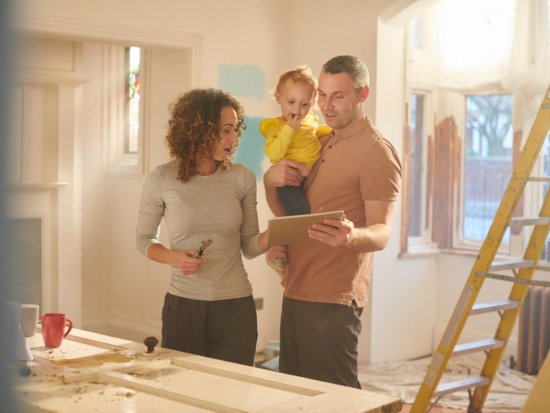
Home renovations are rarely just about changing how a space looks. For most homeowners, they are about improving how the home feels, functions, and supports daily life over the long term. The most successful renovation projects strike a balance between comfort, durability, and smart investment, while avoiding trends that fade too quickly.
Today’s homeowners tend to be practical decision makers. They want spaces that are easier to maintain, adaptable to changing needs, and capable of holding their value. Whether you are updating one room or planning a broader transformation, understanding what truly matters in a renovation can help you make choices that feel right now and years from now.
After the initial planning stage, many homeowners begin with a focused project like a spa-inspired bathroom remodel in Toronto because it offers daily comfort while addressing common issues such as aging fixtures, limited storage, and inefficient layouts. Bathrooms often set the tone for how confident homeowners feel about tackling larger renovation decisions.
Renovating With Purpose Instead of Impulse
One of the most common renovation mistakes is starting with products instead of priorities. Materials, finishes, and fixtures are important, but they should come after you understand how the space needs to work. A renovation with purpose begins by asking the right questions.
How does the space currently fall short? Are there issues with flow, storage, lighting, or privacy? Does the room support how your household actually lives, not how it looks in a magazine? Answering these questions creates a framework for every decision that follows.
Purpose driven renovations tend to last longer because they solve real problems. A kitchen with better circulation reduces daily stress. A bathroom with proper ventilation and durable finishes resists moisture damage. These improvements may not always be the most visually dramatic, but they deliver value every single day.
Kitchens and Bathrooms Remain the Strongest Investments
While every renovation has personal value, some projects consistently offer stronger returns and usability. Kitchens and bathrooms remain at the top of that list, not because they are trendy, but because they are essential.
According to a recent remodeling impact report published by a national real estate association, bathroom and kitchen renovations rank among the highest for homeowner satisfaction and resale appeal. Updated plumbing, improved lighting, and efficient layouts signal that a home has been well cared for, even if buyers plan to make their own changes later.
Bathrooms in particular benefit from thoughtful design because they combine technical systems with comfort. Waterproofing, drainage, ventilation, and lighting all need to work together. When done correctly, these upgrades improve both daily experience and long term durability.
Materials That Balance Style and Longevity
Material selection often determines how well a renovation ages. Homeowners today are leaning toward finishes that feel calm, timeless, and resilient rather than overly decorative.
Porcelain tile, engineered stone, and solid wood cabinetry remain popular because they offer consistent performance in high use areas. Matte finishes are often preferred over high gloss surfaces since they show fewer fingerprints and wear marks. Neutral color palettes allow flexibility as decor and tastes change.
Durability should always guide material decisions, especially in moisture prone spaces. Choosing products designed for bathrooms and kitchens reduces maintenance issues and helps preserve the renovation investment over time.
Layout Changes That Improve Daily Life
Not all renovations require expanding a footprint. In many cases, rethinking the layout delivers the biggest improvement. Removing unnecessary partitions, adjusting door swings, or relocating fixtures can dramatically enhance usability.
In bathrooms, improved layouts often focus on separation and flow. Creating clear zones for bathing, grooming, and storage helps multiple people use the space comfortably. Walk in showers, wall mounted vanities, and recessed storage niches all contribute to a cleaner and more functional design.
In kitchens, layout improvements typically aim to reduce congestion and improve workflow. Better spacing between appliances and work surfaces can make cooking more enjoyable and efficient, even without increasing square footage.
Energy Efficiency as a Built In Benefit
Modern renovations increasingly incorporate energy efficiency not as an add on, but as a standard expectation. High efficiency fixtures, improved insulation, and better ventilation systems contribute to lower utility costs and a more comfortable home.
Recent data from a national housing agency shows that homes with energy efficient upgrades tend to attract more interest from buyers and experience fewer inspection concerns. While energy efficiency may not always be visible, it plays a significant role in long term satisfaction.
Simple upgrades such as low flow plumbing fixtures, LED lighting, and smart ventilation controls can be integrated seamlessly into most renovation projects without compromising design.
The Importance of Skilled Planning and Execution
Even the best design ideas can fall short without proper execution. Renovations involve coordination between multiple trades, adherence to building codes, and careful sequencing of work. This is especially true for kitchens and bathrooms, where plumbing and electrical systems must be handled correctly.
A well planned renovation anticipates challenges before they arise. This includes understanding structural limitations, moisture management, and access requirements. Taking the time to plan thoroughly reduces delays and protects the quality of the finished space.
Homeowners who invest in professional planning often find the process less stressful and more predictable. Clear timelines, transparent communication, and realistic budgeting create confidence throughout the renovation journey.
Designing for the Long Term
The most satisfying renovations are those that continue to feel right years later. Designing for the long term means considering how your needs may evolve. Storage that adapts, layouts that allow accessibility, and materials that age gracefully all contribute to lasting value.
Avoiding overly specific design choices helps keep spaces flexible. Instead of committing to bold patterns or niche features, many homeowners choose subtle textures and classic proportions that can be refreshed easily with accessories or paint.
Longevity is not about playing it safe. It is about making informed decisions that support both comfort and resilience.
Renovation Trends That Support Practical Living
While trends should not dominate renovation decisions, some reflect genuine improvements in how homes function. Integrated storage, improved lighting layers, and simplified finishes are all responses to how people actually use their homes.
Bathrooms with better lighting around mirrors, kitchens with hidden storage solutions, and living spaces designed for multiple activities all support practical living. These trends tend to endure because they address everyday needs rather than surface aesthetics.
By focusing on usability first, homeowners can enjoy the benefits of modern design without chasing constant updates.
Making Renovations Feel Worthwhile
A successful renovation leaves homeowners feeling that their investment was worthwhile. This feeling comes from spaces that are comfortable, reliable, and aligned with how the household lives.
Thoughtful home renovations do not aim to impress for a moment. They aim to support daily routines, reduce maintenance concerns, and create environments that feel calm and intentional. When renovations are approached with clarity and care, the results often exceed expectations and continue to add value long after the work is complete.
By focusing on purpose, quality, and long term thinking, homeowners can transform their spaces in ways that truly last.