
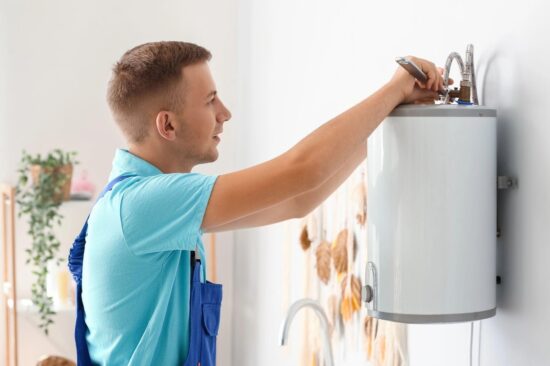
Hot water is one of those everyday comforts we tend to take for granted—until it’s gone. From morning showers to washing dishes and doing laundry, a reliable hot water system plays a huge role in keeping your household running smoothly. While many homeowners focus on choosing the right unit, the installation process itself is just as important. A well-installed system doesn’t just perform better—it lasts longer, runs more efficiently, and helps you avoid unnecessary repairs down the track.
There are several types of hot water systems available today, including storage systems, instant (tankless) systems, and solar options. Each comes with its own installation requirements, limitations, and benefits. This guide breaks down what homeowners can expect during the installation process, so you feel informed, prepared, and confident every step of the way.
Selecting the Right Hot Water System for Your Home
Choosing the right hot water system can be daunting, but a little knowledge goes a long way. Tankless systems, for instance, heat water on demand, making them energy-efficient and suitable for smaller households. Storage systems, on the other hand, maintain a reservoir of hot water but might be less energy efficient. Then there are solar hot water systems, which significantly reduce electrical consumption by harnessing solar energy.
Selecting the right system isn’t just about personal preference—it’s about understanding your household’s hot water needs. Energy efficiency, system size, and budget are crucial factors to weigh in. A professional’s advice can make a massive difference, providing insights you might not consider, such as the implications of energy ratings and the environmental impact of each system. Understanding instant systems, for example, might point you toward a more energy-efficient option and lower utility bills.
Preparing Your Home for Installation
Once you’ve chosen the right system, preparing your home is the next step. Ensuring the space around the installation area is clear of any obstructions is a must before the installation team arrives. This not only facilitates their work but also helps in addressing any issues that might arise during the procedure. Checking your home’s plumbing and electrical compatibility is another essential pre-installation task. This will help avoid any last-minute hitches or, worse, potential damage to your new system.
Additionally, don’t overlook legal requirements. Depending on where you live, there might be specific permits you need to acquire. Facilitating these ahead of time will ensure your installation is seamless and compliant. Finally, scheduling the installation at a convenient time will allow you to be present during the process. This gives you the chance to ask questions and understand the workings of your new system better.
The Installation Process Explained
Understanding the steps involved in the installation can demystify the experience. When the professionals arrive, they will first remove the old system, if applicable. They’ll then position the new unit and proceed with the necessary plumbing and electrical connections. This can involve adjusting existing pipelines, installing new fittings, or even adjusting electrical wiring to accommodate the new system.
Typically, the process takes a few hours, depending on the complexity of the installation and the type of system. This is why having a general timeframe is useful, as it helps manage expectations. Throughout the procedure, safety is paramount. Professionals follow strict protocols to ensure both your new system and your home’s infrastructure remain safe and intact.
Testing and Initial Setup of Your Hot Water System
Once installed, testing and initial setup are crucial to confirm everything is functioning smoothly. The installation team typically runs a series of tests to ensure the system heats water properly, with no leaks or electrical faults. Understanding the initial setup can assist you in making minor adjustments in the future, should the need arise.
Setting the appropriate hot water temperature is another important aspect. This affects both safety and efficiency. Generally, a temperature of around 60°C is recommended to prevent scalding and control energy usage. After installation, you might notice a few common issues, such as odd noises or air pockets. These can often be resolved swiftly, so don’t worry if you experience them.
Maintenance Tips for Longevity and Efficiency
Once your hot water system is running smoothly, regular maintenance is key to longevity and efficiency. Simple tasks like inspecting for leaks and checking system pressure can be done by homeowners themselves. Simultaneously, scheduling yearly professional inspections and servicing is advisable. These checks can catch potential issues before they escalate, saving time and money in the long run.
Be on the lookout for signs your system might require repairs, such as unusual noises or fluctuating water temperatures. Managing these promptly can prevent costly damage. Exploring ways to enhance energy efficiency, like installing insulating blankets on storage tanks, will further optimise your system’s performance and reduce utility bills.
Wrapping It All Up
Installing a new hot water system isn’t just a one-day job—it’s an investment in your home’s comfort, efficiency, and reliability. From choosing the right system to understanding the installation and staying on top of maintenance, being informed makes all the difference.
With proper installation and care, your hot water system will quietly do its job for years to come—keeping your home comfortable and your routines uninterrupted. When in doubt, trust experienced professionals and don’t be afraid to ask questions along the way.