
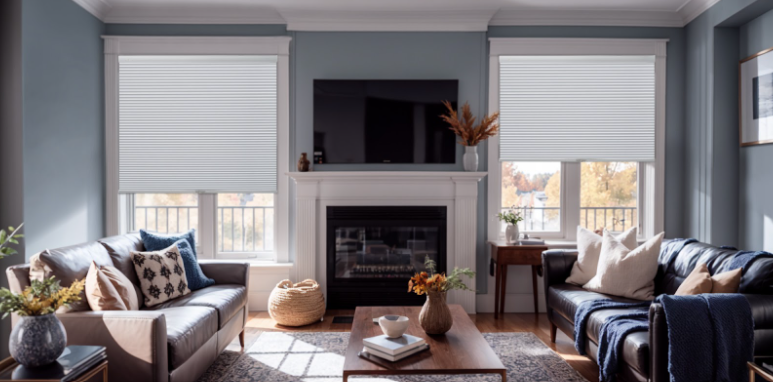
When the winter comes, it’s so cold outside you can feel it coming inside your home. It starts to feel chilly no matter how much you turn up the heat. Now, with the advent of heaters and blankets, another angle for maintaining a comfortable house in cold weather has unintentionally been neglected: the window covering. Central thermal control is one of a house’s primary functions, while windows can be the main way that control is lost. Insulated blinds solve this problem in a big way.
This article will explain how insulated blinds function, their benefits and types. It’ll also discuss why they are a good investment for your house this winter.
Why Windows Lose Heat
Before we dive into blinds, let’s understand the problem.
Windows, especially older or single-pane ones, allow warm air to escape and cold air to enter. Glass is not a great insulator, and gaps around the frame can make things worse. Even the best heating system can struggle if your windows are letting out warmth.
That’s where insulated blinds come in. They help to trap heat, reduce drafts and create a cozy environment without increasing your electricity bill.
What Are Insulated Blinds?
Insulated blinds (also known as thermal window blinds) provide an extra layer of protection against temperature fluctuations. They are designed to be window coverings that trap dead air when possible. Unlike normal blinds with solid wood members, insulated variety has materials that enable it to work more effectively as a barrier between your warm room and cold window surface.
The blinds’ main goal is to reduce winter heat loss, and second keep out the summer sun.
How Insulated Blinds Work
Insulated Blinds Work on a Simple Principle: Air Trapping and Layering.
They can be made of several layers of fabric, or they may have air pockets as insulation. Closed blinds reduce the transfer of heat. This will keep your room warmer for longer, your heater will have to work less.
For example:
Cellular (honeycomb) blinds have small air pockets shaped like honeycombs. These pockets trap air, which acts as an insulator.
Types of Insulated Blinds
There are several types of insulated blinds you can choose from, depending on your style, budget, and needs.
1. Cellular (Honeycomb) Blinds
They are the most common insulated blinds used in winter. Their honeycomb design traps the air within each cell and creates a thermal shield between your room, and cold windows.
Benefits:
- Excellent insulation
- Available in single, double, or even triple-cell options
- Energy-efficient
- Soft and stylish look
Best for: Bedrooms, living rooms, and any space where warmth is a priority.
2. Thermal Roller Blinds
These blinds look like regular roller blinds but are made with special thermal fabrics. The inner lining reflects heat back into the room while blocking cold air from entering.
Benefits:
- Simple design and easy to use
- Great for modern interiors
- Cost-effective insulation solution
Best for: Kitchens, bathrooms, and minimalist spaces.
3. Roman Blinds with Thermal Lining
Roman window blinds add elegance and warmth to any room. When made with thick or thermally lined fabric, they can help insulate your windows beautifully.
Benefits:
- Elegant and decorative
- Can be custom-made in many fabrics and colors
- Good insulation when lined properly
Best for: Living rooms, dining rooms, or cozy sitting areas.
4. Blackout Blinds
Blackout blinds are made to block light, but they also help keep your home warm. Their thick fabric stops heat from escaping and gives you more privacy.
Benefits:
- Blocks light and drafts
- Ideal for bedrooms
- Improves energy efficiency
Best for: Bedrooms, media rooms, and nurseries.
Top Benefits of Insulated Blinds
Keep Warm and Comfortable:
The biggest advantage of insulated blinds is warmth. They create a shield against the cold and prevent chilly drafts from entering, making your space comfortable all winter long.
Save on Energy Bills:
You’ll see a reduction in energy costs because your heating system won’t be working as hard. Well-insulated windows can reduce heating costs by as much as 20%.
Eco-Friendly Choice:
By reducing energy use you are also helping the planet. Fewer greenhouse gasses are produced when you use less energy.
Noise Reduction:
Many insulated blinds also help block outdoor noise. The thick materials and air layers act as sound barriers, giving you a quieter home.
Stylish Look:
With so many colors, fabrics, and designs available, insulated blinds add warmth not only to your temperature but also to your décor.
Insulated Blinds vs Regular Blinds
Regular blinds are mainly designed for light control and privacy, but they don’t offer much thermal protection. Insulated blinds, on the other hand, are built to maintain indoor temperature.
Here’s a simple comparison:
- Regular blinds offer only minimal control over indoor temperature, while insulated blinds provide excellent temperature control by keeping warmth inside during winter.
- Regular blinds have low energy efficiency, meaning they don’t do much to lower heating or cooling costs. In contrast, insulated blinds are highly energy-efficient, helping you save on energy bills.
- Regular blinds give a basic level of comfort, but insulated blinds make your home feel cozy and warm, especially in cold weather.
- Regular blinds are cheaper at first, but insulated blinds, though a bit more expensive, offer long-term savings through reduced energy use.
- Regular blinds don’t help much in keeping the cold out, while insulated blinds are perfect for winter, keeping your rooms warm and comfortable.
Final Thoughts
With insulated window blinds, you’ll be able to keep the cold outside and the warmth inside, creating an inviting, comfortable environment for you and your loved ones.
Honeycomb blinds offer the best insulation. Thermal Roller Blinds add a modern feel. Roman blinds provide elegance.
Instead of turning up the thermostat, this winter warm your home with blinds that are insulated and work efficiently.