
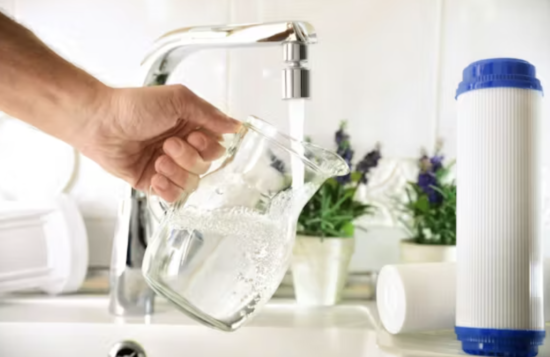
Turn on the tap, fill a glass, and take a sip. It looks clear. It smells fine. It tastes healthy.
For most households, that’s where the evaluation stops.
But modern living demands more than water that simply meets basic safety standards. Today, “clean water” means consistency, balance, and protection not just for drinking, but for bathing, cleaning, cooking, and protecting your home’s infrastructure.
If you’ve ever noticed dry skin, scale buildup, strange odors, or changing taste throughout the year, you’ve already experienced the gap between “technically safe” and truly clean.
Understanding that difference is what leads many homeowners to consider installing a whole house water filtration system, a solution designed to treat water before it touches any faucet, fixture, or appliance.
So what does clean water actually mean in a modern household?
1. Clean Water Is Free From Noticeable Chemicals
Municipal systems disinfect water to eliminate harmful microorganisms. This process often involves chlorine or chloramine.
While effective for sanitation, residual disinfectants can cause:
- A strong chlorine smell
- Bitter or chemical aftertaste
- Dry or irritated skin
- Faded laundry colors
Water can legally meet safety standards and still carry noticeable chemical presence.
True “clean water” feels neutral no scent, no sharp aftertaste, no harsh effects during daily use. A whole house water filtration system reduces these residual chemicals at the point of entry, preventing them from circulating throughout your home.
2. Clean Water Doesn’t Leave Residue Behind
Look around your kitchen or bathroom. Do you see:
- White crust on faucets?
- Chalky buildup on showerheads?
- Spots on glassware after washing?
These are signs of mineral-heavy water, often referred to as hard water.
Minerals like calcium and magnesium aren’t dangerous, but they impact comfort and efficiency. Over time, buildup can:
- Reduce appliance lifespan
- Lower water heater efficiency
- Clog fixtures
- Increase energy costs
Clean water in a modern sense means balanced mineral levels that don’t damage your home. Treating water at the main line prevents scale from forming in the first place.
3. Clean Water Supports Skin and Hair Health
Water touches your skin more than any skincare product ever will.
When it contains chlorine or excess minerals, you may notice:
- Tightness after showers
- Persistent dryness
- Frizzy or brittle hair
- Increased scalp sensitivity
Daily exposure compounds the issue. Even high-end shampoos and lotions can’t fully compensate for poor water quality.
Filtering water at the entry point helps reduce these irritants before they reach your shower, creating a gentler environment for skin and hair without altering your routine.
4. Clean Water Is Consistent Throughout the Year
Have you ever noticed that your water tastes different in the summer? Or smells stronger after heavy rain?
Municipal water supplies fluctuate due to:
- Seasonal changes
- Infrastructure maintenance
- Treatment adjustments
- Environmental runoff
These variations can subtly alter taste, odor, and mineral concentration.
Modern clean water isn’t just about passing a test it’s about consistency. A whole house water filtration system stabilizes incoming water quality, ensuring predictable performance regardless of external changes.
Consistency builds comfort and trust in your water supply.
5. Clean Water Protects Your Plumbing and Appliances
Your plumbing system is constantly exposed to whatever enters your home through the main line.
Untreated water can contribute to:
- Sediment buildup inside pipes
- Corrosion over time
- Reduced water pressure
- Appliance wear
Small particles and dissolved minerals accumulate slowly but steadily.
When filtration begins at the entry point, sediment and contaminants are captured before they travel through your plumbing network. This proactive protection reduces maintenance costs and extends the life of your home’s systems.
What “Clean” Looks Like in Practical Terms
Here’s a simple comparison:
| Household Sign | What It Suggests | What Modern Clean Water Means |
| Chlorine smell | Residual disinfectants | Reduced chemical presence |
| White scale on fixtures | Hard minerals | Balanced mineral levels |
| Dry skin after shower | Chemical/mineral exposure | Gentler, filtered water |
| Frequent descaling | Mineral buildup | Preventative protection |
| Seasonal taste changes | Supply fluctuations | Stable water quality |
Basic filtration addresses one faucet. Comprehensive filtration transforms the entire home environment.
Safe vs. Optimal: Understanding the Difference
Municipal water is regulated to meet legal safety thresholds. These thresholds focus on acute risks preventing immediate harm.
However, modern households often seek more than minimum compliance. They want water that supports:
- Long-term comfort
- Appliance efficiency
- Consistent taste
- Reduced chemical exposure
Clean water in today’s context means optimized water.
A whole house water filtration system moves beyond reactive solutions like sink filters or shower attachments. It treats water before distribution, creating a controlled environment inside your home.
Many advanced systems combine:
- Sediment pre-filtration
- High-capacity carbon media
- Mineral conditioning
- Optional additional purification stages
Together, these components address both visible and invisible factors affecting water quality.
Final Check: Is Your Water Truly “Clean”?
Ask yourself:
- Do I still buy bottled water because my tap tastes slightly off?
- Do I regularly remove white buildup from fixtures?
- Does my skin feel tight after showering?
- Do appliances require frequent maintenance or descaling?
- Does my water quality change throughout the year?
If you answered “yes” to any of these, your definition of clean water may not align with your daily experience.
In modern households, clean water isn’t just about clarity. It’s about how water behaves in your home how it feels on your skin, how it protects your appliances, how it tastes in your glass, and how consistently it performs across seasons.
When you redefine clean water as a foundation of comfort and protection, the solution becomes clear. A properly designed whole house water filtration system doesn’t just filter water — it elevates the quality of everyday living.
Because truly clean water shouldn’t just meet standards. It should meet your expectations.