
Winter brings cooler days, longer nights, and a clear reminder that your home needs extra attention. Even though winters in Seattle rarely drop to extreme lows, the temperature shift still pushes homeowners to create a warmer and more comfortable living space. Small issues that seemed unimportant in the fall can turn into real problems once the cold settles in. Staying on top of maintenance before winter arrives helps you avoid stressful repairs in the middle of the cold months.
This article will walk you through the essential fixes that help you keep your home cozy and worry-free all season.
Inspect and Repair Your Heating System Early
Your heating system sets the tone for how comfortable your home feels throughout winter. When temperatures drop, even slightly, you want reliable and steady warmth. Turn on your system before the coldest days arrive and pay attention to how it performs. If certain rooms feel colder than others, something may be blocking airflow. Strange smells or loud noises can signal worn-out parts or buildup inside the unit. Replace old filters, clean vents, and make sure nothing restricts circulation. These simple steps help your system work at its best.
Fix Your Water Heater Before the Cold Peaks
Hot water becomes a necessity from November to January in Seattle. You rely on it for showers, dishwashing, laundry, and other routines that feel uncomfortable without steady heat. When your water heater struggles, you notice it right away. Water may take longer to warm, or it may not stay hot as long as it used to. Strange odors, rusty water, or a rumbling tank also suggest trouble. These signs mean the unit needs attention before it stops working altogether. Since cold weather increases demand on your system, small issues quickly grow into bigger ones. For water heater repair Seattle offers dependable experts who can diagnose and fix problems fast. Calling a specialist at the first sign of trouble saves you from dealing with freezing water on the coldest days.
Block Drafts by Sealing Doors and Windows
Drafts make your home feel colder than it should and push your heating system to work harder. Even small gaps around doors and windows can let in streams of cold air. Walk through your home and check for places where outside air sneaks in. You can often feel it with your hand or notice it when the curtains move. Replacing worn weatherstripping helps seal these gaps. Caulking cracks around frames creates an even tighter seal. When you take time to close these openings, warm air stays inside, and you avoid the uncomfortable chill that builds up near windows and entryways. This simple fix also lowers energy bills by reducing wasted heat.
Insulate Your Attic for Better Heat Retention
An attic without proper insulation allows warm air to escape and cold air to settle in. This forces your heating system to run more often, which raises energy costs and still may not keep your home comfortable. Check your attic to see if the insulation looks thin or uneven. If you can see exposed joists or notice temperature differences between the attic and living areas, you likely need more insulation. Adding fresh layers helps trap heat inside your home, keeping rooms warmer throughout the day and night.
Clear and Maintain Your Gutters
Gutters play a key role during winter by directing rain and melting snow away from your home. When leaves and debris clog them, water overflows and can damage your roof, siding, or foundation. Before winter storms roll in, clean your gutters and make sure water flows freely through the downspouts. This prevents buildup that can freeze and create even more blockage. Ice and standing water put strain on the edges of your roof and may lead to leaks inside your home. Clear gutters help protect both the exterior and interior of your house throughout the season.
Check for Roof Damage Before Storm Season
Your roof faces constant exposure to rain, wind, and falling debris once winter sets in. Even small areas of damage can grow quickly when cold weather places extra stress on shingles and seals. Take time to look for signs of trouble, such as missing shingles, cracks, soft spots, or discoloration. If you notice water stains on ceilings or walls inside your home, moisture may already be slipping through weakened areas. A quick inspection helps you catch these problems before winter storms make them worse. When you address roof concerns early, you protect the structure of your home and prevent leaks that can lead to much larger repairs.
Test Smoke and Carbon Monoxide Detectors
Winter increases your use of heating systems, fireplaces, and space heaters, which means your home needs strong safety measures in place. Smoke and carbon monoxide detectors protect you by alerting you to danger before you notice any signs yourself. Test each device and replace batteries if the alarm sounds weak or doesn’t respond. Detectors have a limited lifespan, so check the manufacturing dates and replace older units. Install additional alarms on each floor if your current setup leaves gaps. Taking a few minutes to update these devices keeps your household safe and gives you peace of mind as you rely more on heat sources during winter.
Prepare Your Fireplace and Chimney
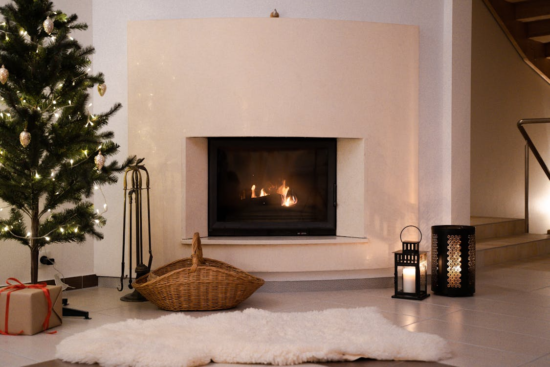
A fireplace adds warmth and comfort on cold days, but it needs proper care to run safely. Clear old ash and debris before your first winter fire. Check that the damper opens and closes smoothly. If you see soot buildup, smell strong smoke, or notice drafts coming through the fireplace when not in use, the chimney likely needs a professional cleaning. A clean chimney improves airflow and reduces fire hazards caused by trapped creosote. When everything works as it should, you get steady heat and a pleasant atmosphere without the worry of smoke backing up into your home. Routine fireplace care also extends the life of your system and keeps it ready whenever you want extra warmth.
Weather-Proof Outdoor Spaces
Outdoor areas often get overlooked during winter preparation, yet they face constant exposure to rain, wind, and moisture. Secure loose boards on decks, tighten railings, and check for signs of rot or damage. Store or cover furniture to protect it from harsh conditions. If you have outdoor lighting, make sure it’s safe and weather-resistant. These simple steps help your outdoor spaces handle winter weather without requiring major repairs in spring. A little time spent on preparation now keeps everything in better shape when you’re ready to use these areas again.
Winter readiness isn’t only about fixing problems. It’s also about building confidence in how well your home will support you during the coldest months. Each step you take strengthens that sense of comfort. When you prepare your home for the cold months ahead, you create a warm, safe environment that lets you enjoy the season instead of worrying about what might go wrong.