
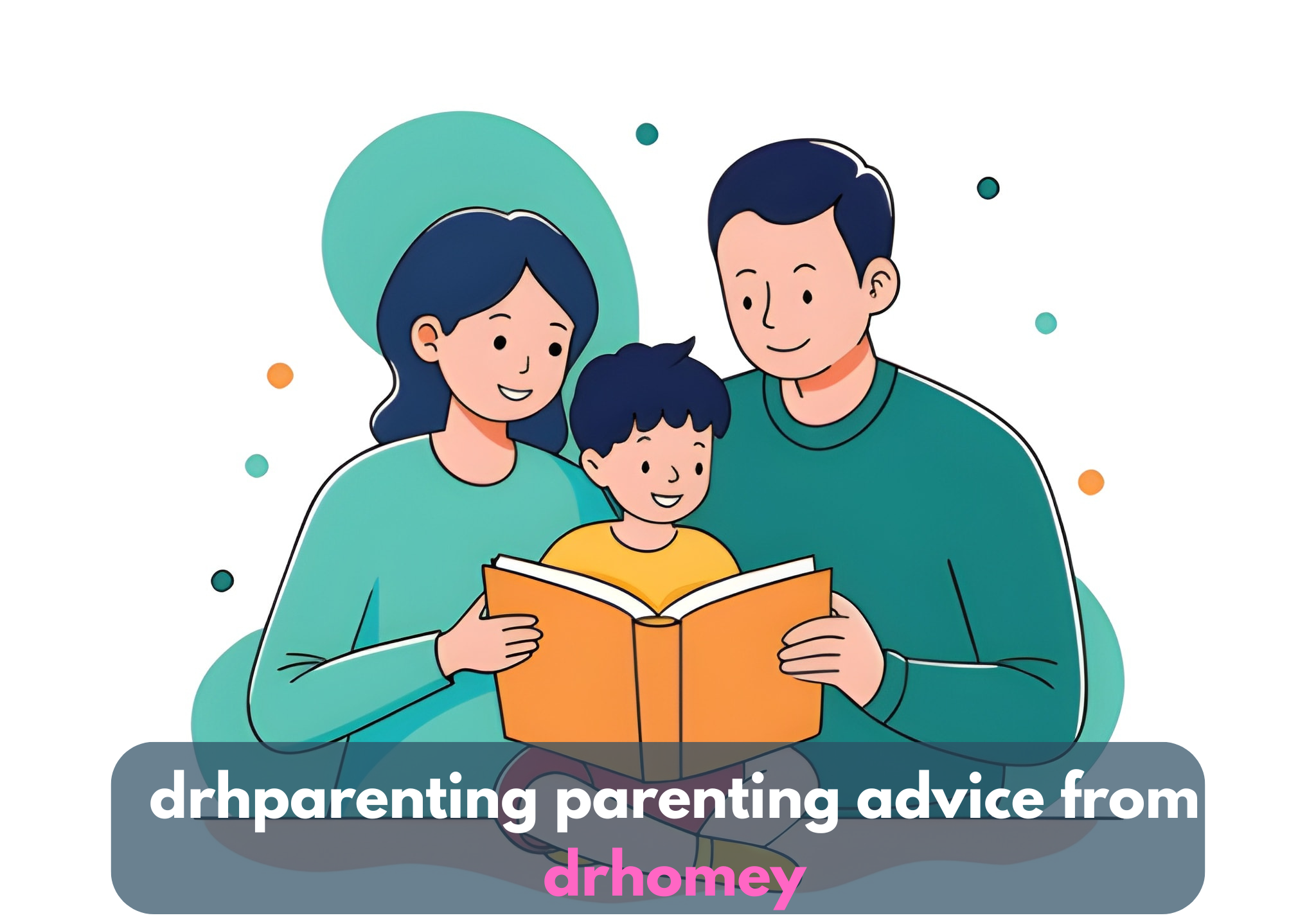
Parenting isn’t a straight road—it’s full of turns, bumps, and unexpected stops. Some mornings start smooth, with kids eating breakfast quietly, shoes on the right feet, and everyone smiling out the door. Other mornings? Someone’s crying over cereal, homework is missing, and you wonder if you’ll ever get it right. That’s the reality of raising children, and that’s where drhparenting parenting advice from drhomey comes in.
Instead of pretending parents should be perfect, this advice focuses on what families actually live through. It doesn’t rely on heavy theories or long lectures—it gives small, steady steps that fit into real life. Families need tools and reminders that they can utilize, not magic bullets.
The Power of Calm Discipline
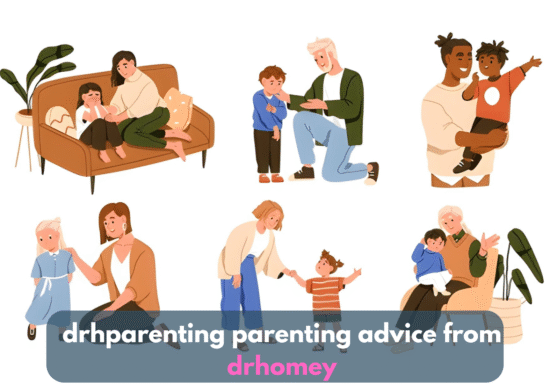
Let’s be honest: every parent has raised their voice. Sometimes the chaos piles up, and yelling feels like the only option. However, in most cases, it doesn’t instruct—it just scares or shuts kids down.
drhparenting parenting advice from drhomey is based on a more successful strategy: punishment that is both consistent and peaceful. The rule is simple—connect consequences to actions. If toys are left scattered, they get put away for a day. If a teen breaks curfew, the next outing gets canceled.
The trick is sticking with it. Kids quickly spot when parents make empty threats. Following through builds trust and respect, even if your child doesn’t show it in the moment.
Why Connection Always Wins
Children thrive when they feel seen and loved. That bond is more powerful than any rulebook. It’s not built through expensive vacations or elaborate routines—it grows in the quiet, ordinary moments.
Reading a book together. Sharing jokes at dinner. Talking during a walk to school. These small pieces of time create trust, and trust makes kids more likely to listen.
As drhparenting parenting advice from drhomey often reminds us, connection beats control. A child who feels safe coming to you will share their struggles before they spiral. That trust lasts longer than any strict routine.
Toddlers: Weathering the Storms
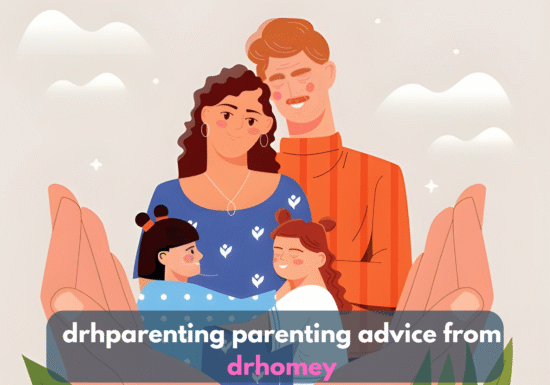
Toddlers can melt down over the smallest things—the wrong color cup, a broken crayon, or just being tired. Arguing doesn’t work because toddlers don’t think logically in those moments.
The better path is patience. Step aside with your child, keep your voice soft, and wait. When the storm slows, then explain. It’s not about letting tantrums slide; it’s about teaching that feelings are valid, but actions have limits.
This balance—calmness plus boundaries—helps toddlers learn without parents losing their sanity.
School Years: Teaching Habits That Stick
Once kids head to school, parenting shifts toward responsibility. Homework, chores, and friendships all become part of daily life.
drhparenting parenting advice from drhomey suggests starting small. A kindergartner can hang their backpack. An older child can help pack lunch. By middle school, they can handle bigger tasks like projects or managing schedules.
Responsibility grows best step by step. Too much too soon overwhelms; too little leaves kids unprepared. The goal isn’t perfection—it’s progress.
Teenagers: Respect and Boundaries
Teen years often bring distance. One day your child wants space; the next they want guidance. They push for independence but still need clear limits.
The advice here is to treat teens as growing adults. Respect their opinions, involve them in decisions, and allow them to stumble. At the same time, hold firm on essentials—curfews, safety, and digital boundaries.
It’s not about control; it’s about balance. Respect plus boundaries keeps communication open while still guiding them through risky years.
Parents Matter Too
Parents often put themselves last. Between school runs, work, and endless chores, there’s little left over. But running on empty makes it impossible to show patience or joy.
Self-care isn’t selfish. It’s a lesson for your kids. Whether it’s a cup of tea after bedtime, a walk outside, or calling a friend, these moments recharge you.
drhparenting parenting advice from drhomey serves as a reminder to parents that taking care of themselves is a component of taking care of their kids. Healthy parents raise healthier families.
Real-Life Guidance That Fits
What makes this advice stand out is how realistic it is. Families don’t live in textbooks—they live in kitchens, cars, playgrounds, and messy living rooms. That’s why tips drhomey focus on what works in the middle of real chaos.
You’ll find drhomey handy tips that are practical instead of overwhelming, like ways to handle tantrums, build habits, or create family routines that actually stick. There are also drhomey interesting facts shared along the way—small reminders that parenting struggles are common everywhere, not just in your home.
For one-on-one personalized assistance, don’t hesitate to contact drhomey com for immediate resources and advice.
Final Thought
Parenting is never about perfection. Witness the presence and the commitment that faces challenges in gray days and the warmth of sunny days together.
Indeed, drhparenting parenting advice from drhomey was confidential to be able to convert daily drama into a connection-building-and-growth opportunity for families. After all, parenting may never be easy; however, it can become immensely meaningful, and that is what comes into focus.