
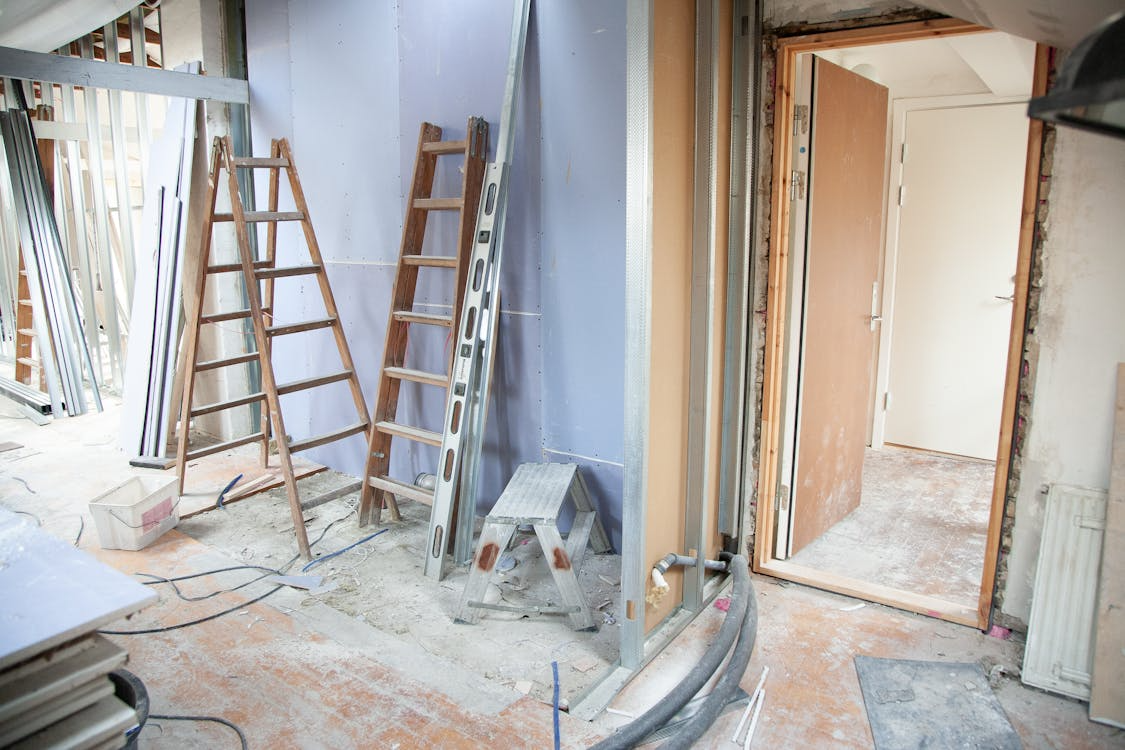
People don’t usually wake up thinking, “Today’s the day I tear apart my walls and redo the guts of the house.” These decisions come slowly. Or sometimes, all at once. Usually when something leaks or creaks or gives out in a way that can’t be ignored. The instinct is often to patch, repair, pretend it’s fine. Most just want their homes to keep running without thinking too hard about what’s hidden behind drywall.
But at some point, a bigger decision has to be made. A choice that requires time. Money. Trust. Maybe a lot of stress. Large-scale internal fixes aren’t like slapping paint on the cabinets. They take planning. They take a kind of mental negotiation. And they require people to admit what they don’t know, which is harder than anyone likes to admit.
Why Big Fixes Are Often Avoided
The idea of tearing things apart to rebuild them sounds overwhelming. People talk themselves into temporary fixes, and that’s fair. Everyone does it. But those only hold for so long. And when they give out, it’s worse.
Take plumbing, for example. Not something anyone brags about upgrading. There’s no shiny reveal. But when water pressure drops or rust shows up in the sink, something has to change. Whole-house repiping becomes a real option, not just something that sounds expensive. And it’s not always a nightmare. Done right, it adds value, boosts water quality, and prevents those sneaky leaks that ruin more than just floors. Short-term hassle, long-term peace of mind. Most find it’s worth it once it’s done.
People hesitate, though. Spending money on things they can’t see feels unnecessary. But it’s necessary. Good contractors know how to explain this without being pushy. Good homeowners ask questions. Forget the answers. Ask again. That’s fine. Mistakes happen. People confuse pipes with vents. Or forget where the breaker is. Normal.
The Start of Something Bigger
The first thing that kicks things off? Usually a problem that won’t stay hidden. Pipes knocking. Water in places it shouldn’t be. A heater barely holding up in cold weather. Something smells off. Mold maybe. Or a drip that suddenly becomes a soaked floor. These things don’t get found early. They’re buried. Tucked away. Easy to ignore until they’re really not.
And people delay. That’s not laziness, really. It’s budgeting. Hoping things hold up just long enough to deal with later. Except later shows up fast. With urgency. With repairs you didn’t plan for.
Still, deciding to go all in on a fix is its own process. You might get a quote. Then a second one. Then call someone who knows someone. Then scroll online at midnight wondering how much of this can be DIY. It becomes obvious that this won’t be handled in an afternoon. You might have to step out of the house for a bit. Or deal with workers walking in and out for two weeks straight. That’s a lot for anyone. Especially if you didn’t grow up learning how houses work.
Behind the TV Shows and Highlight Reels
The way improvement shows cut it all down to twenty-two minutes has warped how real people approach this stuff. There’s no dramatic music when you discover your subfloor is rotting. There’s no design expert walking in with backup. Just you. A phone. Maybe a notepad full of questions that don’t yet make sense.
Real home fixes are messy. Things go out of stock. Budgets shift. You didn’t factor in delivery fees or drywall patching or moving furniture. Maybe you should’ve, but you didn’t. That’s how most of these stories go.
Still, most folks push forward anyway. Because they have to. Because something broke. Or something’s about to. Or they’re just done patching the same thing over and over. That point—the tipping one—looks different for everyone.
Trust Takes Work
Letting strangers into your home is a leap. Even when they’re professionals. Reading reviews helps, but they don’t tell you how someone handles a delay. Or a mistake. Or a job that takes longer than expected.
You pick someone who says the job takes four days. It ends up being eight. You pick materials. They send the wrong finish. You try working from home during all this and end up sitting in the car just to hear your own voice on a call. That’s not failure. That’s the actual experience.
Some people over-research. Get stuck in the loop of comparing, reading, worrying. It’s understandable. The money involved is real. And so is the pressure to not screw it up. But at some point, you have to decide. To say yes. Or not yet. Either way is fine. But the decision won’t make itself.
When the Choice Is No Longer Yours
Sometimes, there’s no time to plan. A pipe bursts. Inspection flags something major. Insurance steps in. The choice becomes how fast, not if. In those cases, you move quicker than you’d like. It’s overwhelming, but it skips the indecision. You just act. You fix. You catch up later.
And it’s worth remembering, most homeowners don’t go into these jobs with a background in this stuff. They learn while doing. Ask for help. Watch videos. Call in favors. Forget what they learned. Ask again. There’s no shame in not knowing. Most don’t.
Even when the job’s done, there’s doubt. Was it worth it? Could it have been cheaper? Should we have waited? That second-guessing lingers. But it usually fades when everything works. When the lights don’t flicker. When the water flows right. When it just functions again.
The Value That’s Hard to See
You might not see the new pipes or wires or whatever was hidden behind the walls. But you feel the difference. In daily life. In reduced stress. In knowing your home isn’t falling apart from the inside.
Not every house needs big internal fixes. But many do. And more will as time goes on. Materials wear down. Systems age. The more a homeowner understands what’s inside their walls, the better decisions they’ll make when the time comes.
There’s no perfect way to approach it. No clean answer. Just effort. Time. Maybe a few wrong turns. But when you finally make that call and do the thing that needed doing, the relief is real.
The house doesn’t care if you second-guessed yourself ten times before hiring someone. It doesn’t mind if you picked the second-best tile or forgot to ask about finish details. It just needs care. The kind that sticks. The kind that matters. Even when nobody sees it.