
Urban development plays a vital role in shaping modern cities, improving living conditions, and supporting economic growth. However, as cities expand and natural landscapes are replaced by buildings, roads, and pavements, one critical aspect often overlooked is stormwater drainage. Efficient stormwater management is essential to prevent flooding, protect infrastructure, and maintain environmental balance. Alongside it, a well-planned plumbing design system ensures the proper flow of water within and around buildings, complementing stormwater management efforts. Together, these systems form the foundation of a safe, sustainable, and functional urban environment.
What Is Stormwater Drainage?
Stormwater drainage refers to the network of structures and systems designed to manage rainwater runoff from hard surfaces such as roads, rooftops, and parking lots. In natural environments, rainwater infiltrates the soil or evaporates back into the atmosphere. However, in urban areas with concrete and asphalt surfaces, water cannot be absorbed. Instead, it flows rapidly across these surfaces, collecting dirt, oil, and debris, which must be managed to prevent flooding and pollution.
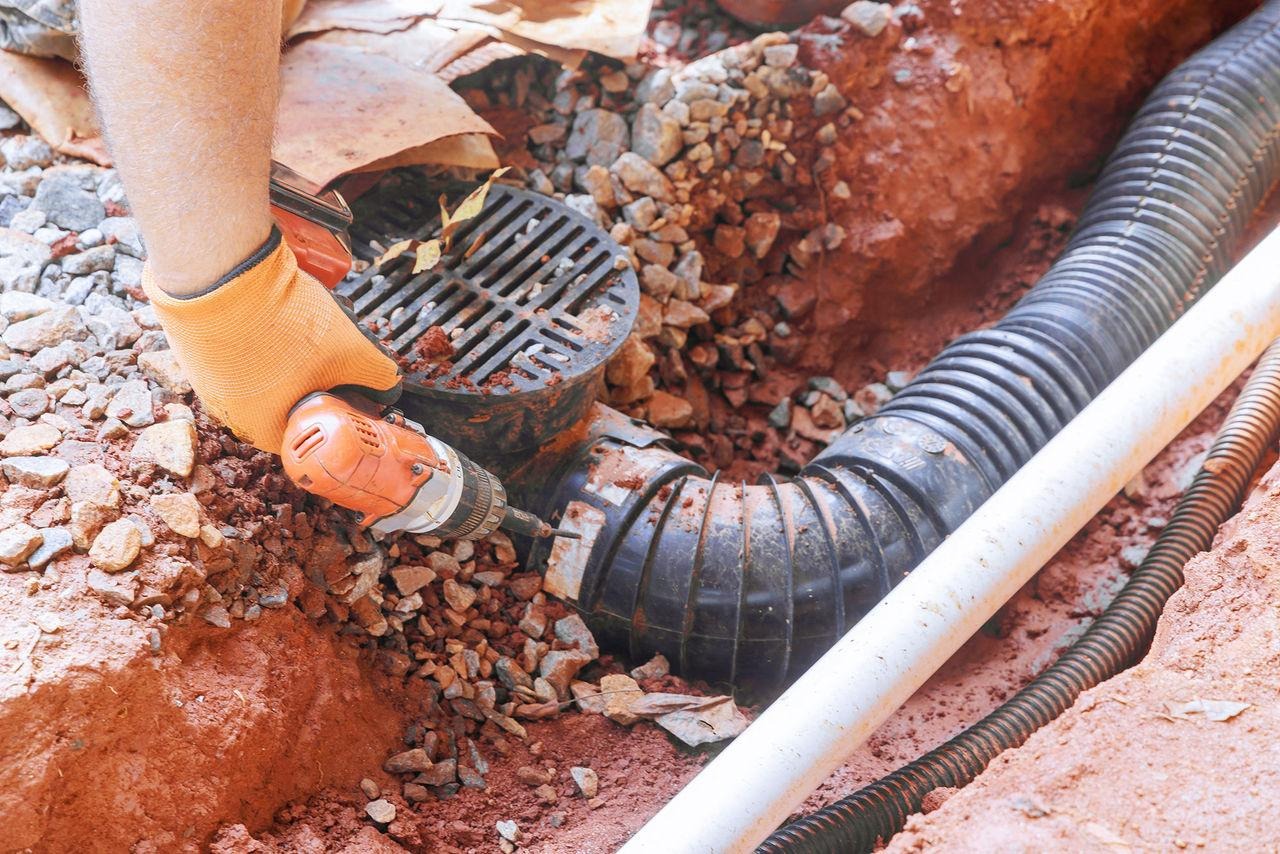
A stormwater drainage system typically includes gutters, inlets, drains, underground pipes, open channels, detention basins, and retention ponds. These components work together to collect and transport stormwater safely to designated outlets, such as rivers or treatment facilities. Without an effective drainage network, cities can experience severe flooding, property damage, and public health risks.
The Role of Plumbing Design in Urban Drainage
While stormwater systems manage external runoff, plumbing design handles internal water flow within buildings. It ensures clean water is distributed efficiently and wastewater, including rainwater collected from rooftops, is safely drained away. A well-coordinated plumbing design complements stormwater drainage by preventing backflow, leaks, and blockages that could worsen flooding conditions.
In urban infrastructure, plumbing design plays a crucial role in integrating roof drainage systems with citywide stormwater networks. This integration helps maintain proper water flow from private properties into public drainage systems without overloading them. Hence, both stormwater drainage and plumbing design are interconnected elements of efficient urban water management.
Why Stormwater Drainage Is Crucial in Urban Development
1. Preventing Urban Flooding
One of the main purposes of stormwater drainage is to prevent flooding during heavy rainfall. As rainfall intensity increases due to climate change, cities become more vulnerable to flash floods. Blocked or undersized drains can lead to water accumulation on roads, in basements, and around buildings.
A well-designed stormwater system, supported by efficient plumbing design within properties, channels excess rainwater away from developed areas to safe discharge points. This reduces the risk of waterlogging, protects infrastructure, and ensures public safety during storms.
2. Protecting Infrastructure and Property
Uncontrolled stormwater runoff can weaken foundations, erode soil, and damage roads, bridges, and utility systems. When water infiltrates cracks in concrete or remains stagnant, it accelerates deterioration.
A properly maintained plumbing and stormwater drainage design prevents water from seeping into structures and ensures that wastewater is directed through secure pipelines. This not only protects buildings and public spaces but also extends the lifespan of urban infrastructure.
3. Reducing Water Pollution
Stormwater runoff can carry pollutants such as oils, fertilizers, pesticides, and litter into nearby water bodies. Similarly, faulty plumbing systems can leak wastewater into the soil or groundwater. Together, these issues degrade water quality and threaten ecosystems.
By combining sustainable stormwater systems with modern plumbing design practices, cities can significantly reduce contamination. Solutions such as filtration units, infiltration trenches, and green infrastructure help treat runoff before it reaches rivers or lakes, promoting cleaner environments and safer water resources.
4. Supporting Sustainable Urban Growth
Sustainability is central to modern urban planning. Both stormwater drainage and plumbing design play a key role in achieving this goal. Sustainable drainage systems (SuDS), green roofs, rain gardens, and permeable pavements help reduce runoff while enhancing city aesthetics and biodiversity.
Incorporating water-efficient plumbing design — including greywater recycling and rainwater harvesting — allows cities to conserve valuable resources. Together, these measures support eco-friendly growth while ensuring that urban infrastructure remains resilient and resource-efficient.
5. Recharging Groundwater Levels
Traditional drainage systems often focus only on removing water quickly from urban areas. However, modern systems now prioritize infiltration and groundwater recharge. Techniques like permeable surfaces and recharge pits allow stormwater to seep naturally into the soil.
An integrated plumbing design can also support this process through rainwater harvesting systems that collect water from rooftops for reuse or infiltration. These methods help replenish groundwater levels, reduce dependence on external water sources, and support long-term water security.
6. Enhancing Public Health and Safety
Poor drainage can lead to stagnant water, which becomes a breeding ground for mosquitoes and bacteria, increasing the risk of diseases such as dengue and malaria. Flooded areas also pose dangers to pedestrians, vehicles, and property.
A properly designed stormwater and plumbing system ensures that wastewater and stormwater are directed efficiently away from populated areas, maintaining hygiene and reducing health hazards. This is essential for the overall safety and well-being of urban communities.
7. Meeting Legal and Environmental Regulations
Government authorities and municipalities often set strict standards for stormwater management and plumbing systems in new developments. These regulations aim to ensure environmental protection, sustainability, and structural safety.
By implementing effective stormwater drainage and plumbing design, developers not only meet compliance requirements but also demonstrate environmental responsibility. This builds trust with communities and reduces long-term maintenance and legal costs.
Modern Innovations in Stormwater Drainage and Plumbing Design
Urban engineers are now adopting advanced and eco-friendly technologies to improve water management. Some key innovations include:
- Permeable Pavements: Surfaces that allow rainwater to infiltrate, reducing runoff.
- Rain Gardens and Bioswales: Landscaped areas that absorb and filter stormwater.
- Green Roofs: Vegetated rooftops that retain rainwater and improve energy efficiency.
- Retention and Detention Basins: Structures that store and gradually release stormwater.
- Rainwater Harvesting Systems: Capture and reuse rainwater within building plumbing systems for non-potable uses.
- Smart Plumbing Design: Incorporates sensors and water flow controls to detect leaks, optimize water usage, and reduce waste.
These innovations not only improve drainage efficiency but also contribute to the creation of sustainable, climate-resilient cities.
Challenges in Stormwater Management
Despite progress, many cities still face challenges in maintaining efficient water management systems, such as:
- Rapid Urbanization: Unplanned growth often leads to insufficient drainage capacity.
- Aging Infrastructure: Outdated pipes and drains may not handle modern demands.
- Climate Change: Extreme rainfall events put pressure on existing systems.
- Maintenance Issues: Blocked drains and neglected plumbing reduce system effectiveness.
- Public Unawareness: Many citizens underestimate the importance of proper stormwater and plumbing systems.
Addressing these issues requires collaboration between governments, engineers, and communities, along with continued investment in sustainable water management.
Conclusion
Stormwater drainage and plumbing design are vital components of urban development. Together, they ensure efficient water management, prevent flooding, protect infrastructure, and promote sustainability. As cities continue to expand, integrating advanced drainage systems and smart plumbing designs will be essential for building climate-resilient and environmentally responsible communities.
By understanding and prioritizing stormwater management and plumbing design, urban planners and developers can create cities that are not only functional and safe but also sustainable for generations to come.