
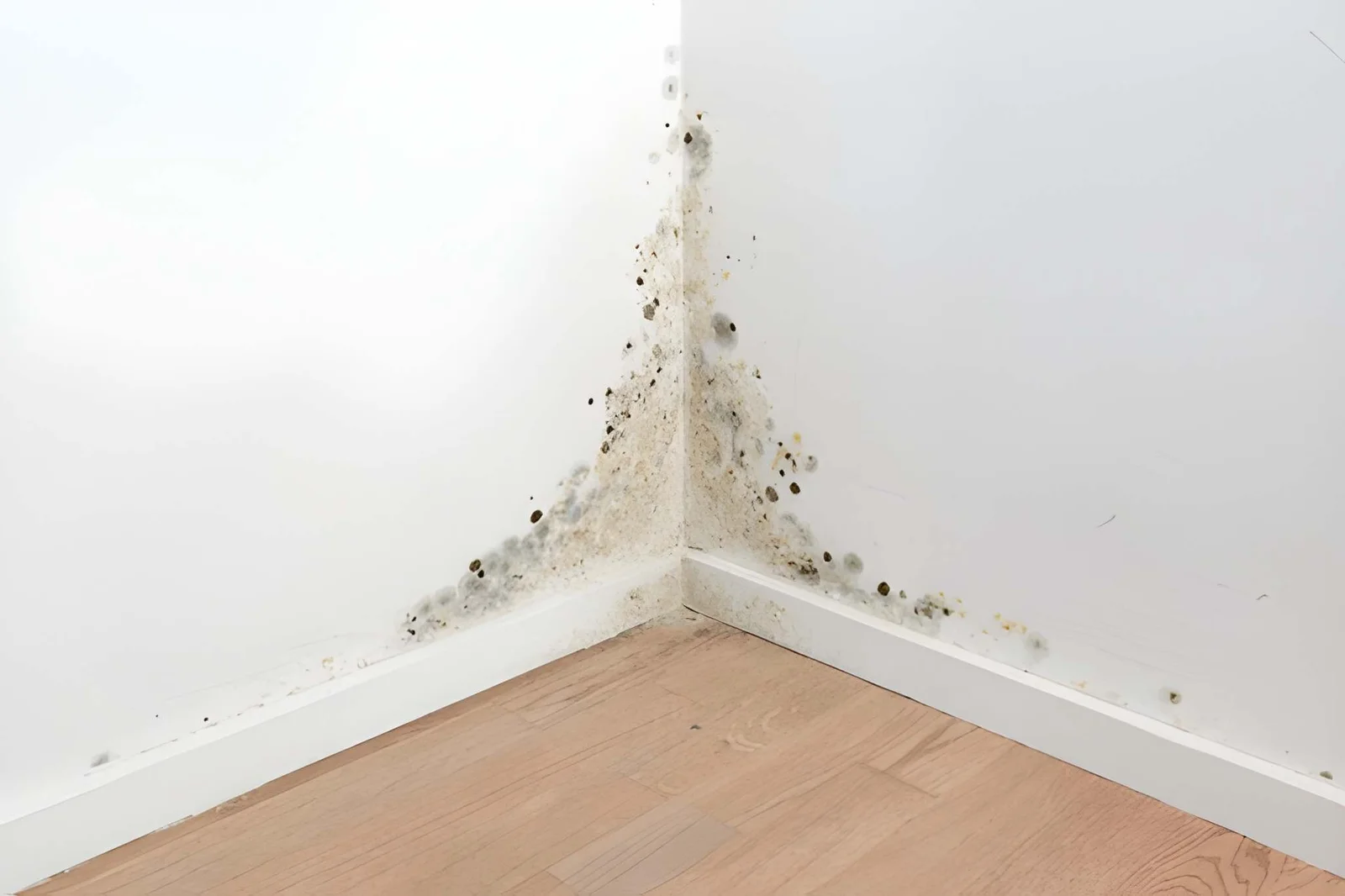
Mold rarely shows up overnight in a dramatic way. It starts as a musty smell in the basement, a damp towel that never dries, or a faint gray shadow in the shower corner. If you are wondering how to prevent mold growth in damp areas of your house, the useful truth is that mold cannot grow without moisture. Control the water and you control most of the problem.
I have walked through homes where owners cleaned the same bathroom ceiling three times and never checked the exhaust fan. The fan was venting into the attic. Cleaning treated the symptom, and the moisture kept feeding it.
Prevention works best as a routine: keep humidity in range, dry wet areas fast, fix leaks quickly, and move air where it stalls. This article is general information, not a mold inspection or medical advice.
This guide covers a quick answer, a table of key numbers, a room-by-room prevention plan, a monthly checklist, signs of a hidden problem, mistakes to avoid, and a short FAQ. If you already have large mold growth, see a professional.
How can you prevent mold growth in damp areas of your house?
To prevent mold growth in damp areas, keep indoor humidity below 60 percent, ideally between 30 and 50 percent, dry any wet surface within 24 to 48 hours, fix leaks quickly, and run exhaust fans in bathrooms and kitchens. Use a dehumidifier in basements, vent dryers outdoors, and keep water from pooling near your foundation.
What are the key numbers?
| Factor | Guidance |
|---|---|
| Indoor humidity | Keep it below 60%, ideally between 30 and 50% |
| Drying time | When things get wet, dry them quickly, within 24 to 48 hours |
| Mold growth time | Mold can grow in as little as 24 to 48 hours when moisture and organic materials are present |
| Condensation | Condensation on windows can be a sign of high indoor humidity |
| Fan test | A sheet of toilet paper should stay in place against a running exhaust fan |
What should you do in each damp area?
| Area | Prevention steps |
|---|---|
| Bathroom | Run the exhaust fan or open the window when showering, wipe wet surfaces, hang towels to dry |
| Kitchen | Use an exhaust hood vented to the outdoors, check under-sink pipes for leaks |
| Basement | Use a dehumidifier if the room is too humid, and clean it regularly |
| Laundry room | Improperly vented dryers raise humidity, so vent to the outdoors |
| Crawl space | Inspect for moisture leaks and make sure it is properly sealed |
| Windows | Wipe condensation and improve airflow |
| Exterior | Water pooling around the foundation can lead to indoor moisture problems |
What else adds hidden moisture?
| Source | Why it matters |
|---|---|
| Hanging laundry inside | Adds humidity to the air |
| Many houseplants or a large aquarium | Can contribute to higher humidity |
| Unvented heaters | May add moisture |
| Clogged gutters | Water can accumulate near the foundation |
| Roof leaks | Missing or curling shingles can let water indoors |
What is a simple monthly routine?
| Task | How often | Time |
|---|---|---|
| Check humidity with a hygrometer | Weekly in damp seasons | 2 min |
| Empty and clean dehumidifier tank | Weekly or as needed | 5 min |
| Test bathroom fan with toilet paper | Monthly | 1 min |
| Inspect under sinks for drips | Monthly | 5 min |
| Check basement corners and walls | Monthly | 5 min |
| Clear gutters and downspouts | Seasonally | 1 hr |
A hygrometer costs little and tells you whether your home is in the safe range.
When should you worry?
| Sign | What to do |
|---|---|
| Musty smell with no visible source | Look for hidden leaks, and consider a professional |
| Persistent condensation | Improve ventilation or dehumidify |
| Stains that return after cleaning | Find the moisture source |
| Mold covers a large area | Call a qualified remediator |
| Someone has breathing problems | Talk to a clinician |
Generally there is no need for a mold test; the better step is to find and fix the moisture
What mistakes should you avoid?
- Cleaning without fixing the leak. Mold returns until moisture stops.
- Venting a fan into the attic. Make sure exhaust ducts direct air outside.
- Letting a dehumidifier run dirty. Clean it regularly.
Frequently asked questions
What humidity level prevents mold?
Aim for 30 to 50 percent, and keep it under 60 percent.
How fast should you dry a wet area?
Within 24 to 48 hours.
Do you need a dehumidifier?
In a damp basement or humid climate, often yes. Check your humidity first.
Bottom line
Control moisture and you control mold. Keep humidity in range, dry wet areas quickly, repair leaks, and vent fans outdoors. A few minutes a month beats a costly cleanup later.
for more tips visit https://tipsdrhomey.org/drhomey-handy-tips/