
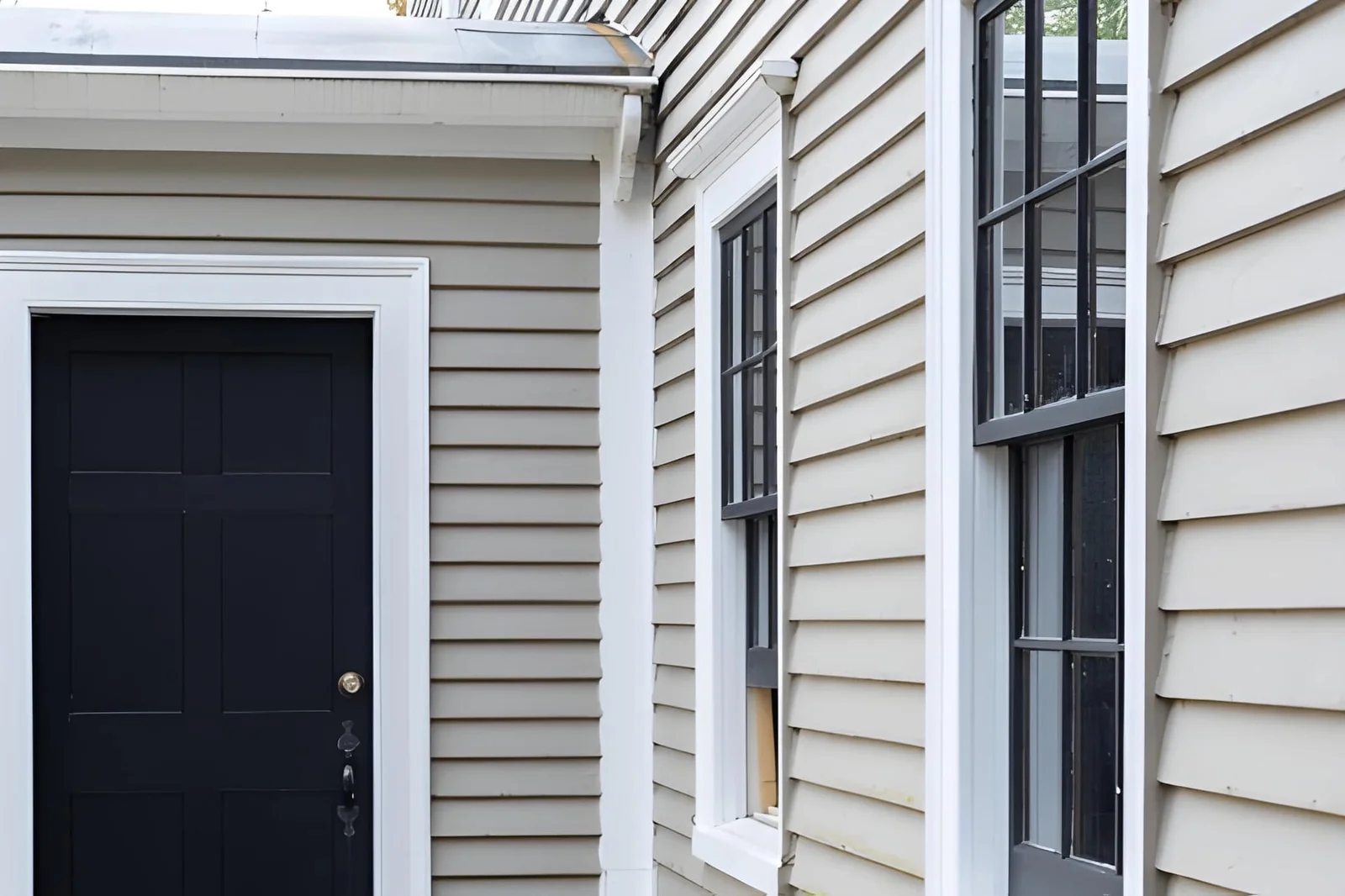
The back door that always closed with a gentle push now needs a shoulder. A bedroom window sticks halfway up, and the latch no longer lines up. If you are wondering what you should check when your doors and windows stop closing properly, take a breath: most causes are simple, and the order in which you check them tells you whether you are dealing with a screwdriver job or a structural one.
I have seen homeowners plane a door to fit in July, then find a gap around it in January. They fixed the symptom for one season. The better approach is to ask three questions in order: is the problem loose hardware, is it moisture, or is the house itself moving?
Checking takes about twenty minutes and a flashlight. This article is general information, not a structural inspection. If you see cracks or several doors failing at once, bring in a professional.
This guide covers a quick answer, a diagnosis table, a step-by-step check, humidity guidance, signs of structural movement, mistakes to avoid, and a short FAQ.
What should you check when doors and windows stop closing properly?
Check loose hinge screws and strike plates first, then look at humidity and swollen wood, then inspect for signs of foundation movement such as diagonal cracks at corners, uneven gaps, and several doors sticking at once. Start with the easy fixes, and call a structural engineer or foundation specialist if the problem spreads or returns.
What does the symptom point to?
| Symptom | Likely cause | First step |
|---|---|---|
| Door rubs near the top of the frame | Loose hinges may be the culprit | Tighten hinge screws |
| Door catches near the middle | A loose strike plate | Tighten or adjust the plate |
| Sticks in humid weather only | Wood absorbs moisture when humidity rises | Lower the humidity |
| One door sticks, rest fine | Local swelling or hinges | Fix that door |
| Several doors and windows stick together | Worrying if several in the same area start sticking within a close period | Inspect for settlement |
| Gap narrow on one side, wide on the other | A wedge-shaped gap can point to movement | Check for cracks nearby |
| Sticks even when humidity is low | Likely a foundation problem if it sticks consistently in low humidity | Call a specialist |
What should you check, step by step?
| Step | Action |
|---|---|
| 1 | Look at the gap between door and frame. An uneven reveal may mean the hinges are loose or out of alignment |
| 2 | Tighten all hinge screws, and replace stripped ones with longer screws |
| 3 | Check where the door rubs, and look for shiny marks on the edge or frame |
| 4 | Test the latch and strike plate alignment |
| 5 | Check windows for swollen frames, paint buildup, and dirty tracks |
| 6 | Measure indoor humidity with a hygrometer |
| 7 | Scan walls, ceilings, and floors for cracks near openings |
| 8 | Note whether the problem changes with the weather |
Sanding or planing a door too early can leave a loose fit later. When humidity drops, the door may sit too loosely in its frame.
What humidity level should you aim for?
| Factor | Guidance |
|---|---|
| Ideal indoor humidity | Between 30% and 50% to minimize wood swelling |
| Seal bare wood | Consider a moisture-resistant sealant on door edges, especially exterior or bathroom doors |
| Evaporative coolers | Can add moisture that makes doors and windows swell and stick |
| Wait and see | If a door and window do not straighten out within three to four weeks of drier air, call a foundation specialist |
When does it point to the foundation?
| Warning sign | Why it matters |
|---|---|
| Diagonal cracks at door or window corners | Classic sign of settling |
| Gaps between walls and door or window frames | Another settlement indicator |
| Sloping or uneven floors | Movement under the structure |
| Horizontal or stair-step foundation cracks | Common signs of foundation trouble |
| Water in the basement or crawl space | Moisture and soil movement |
If you suspect structural problems, consult a professional contractor or structural engineer. Photograph cracks with a ruler beside them and note the date. That makes it easier to see whether they grow.
What mistakes should you avoid?
- Planing right away. Fix the cause first, or the door may shrink loose later.
- Ignoring multiple sticking doors. One door is a nuisance, but several suggest movement.
- Caulking over a growing crack. Monitor it first.
Frequently asked questions
Why do doors stick in summer?
Wood absorbs moisture and swells when humidity rises.
Can a sticking door mean foundation problems?
Sometimes. Look for other signs like cracks and uneven floors.
Who should you call?
A carpenter for hardware and fit, a structural engineer or foundation specialist for movement.
Bottom line
Check hinges, then humidity, then structure. Fix simple causes first, track cracks with photos, and call a professional if several doors fail, cracks grow, or problems stay when humidity is low.
for more information visit https://tipsdrhomey.org/drhomey-handy-tips/