
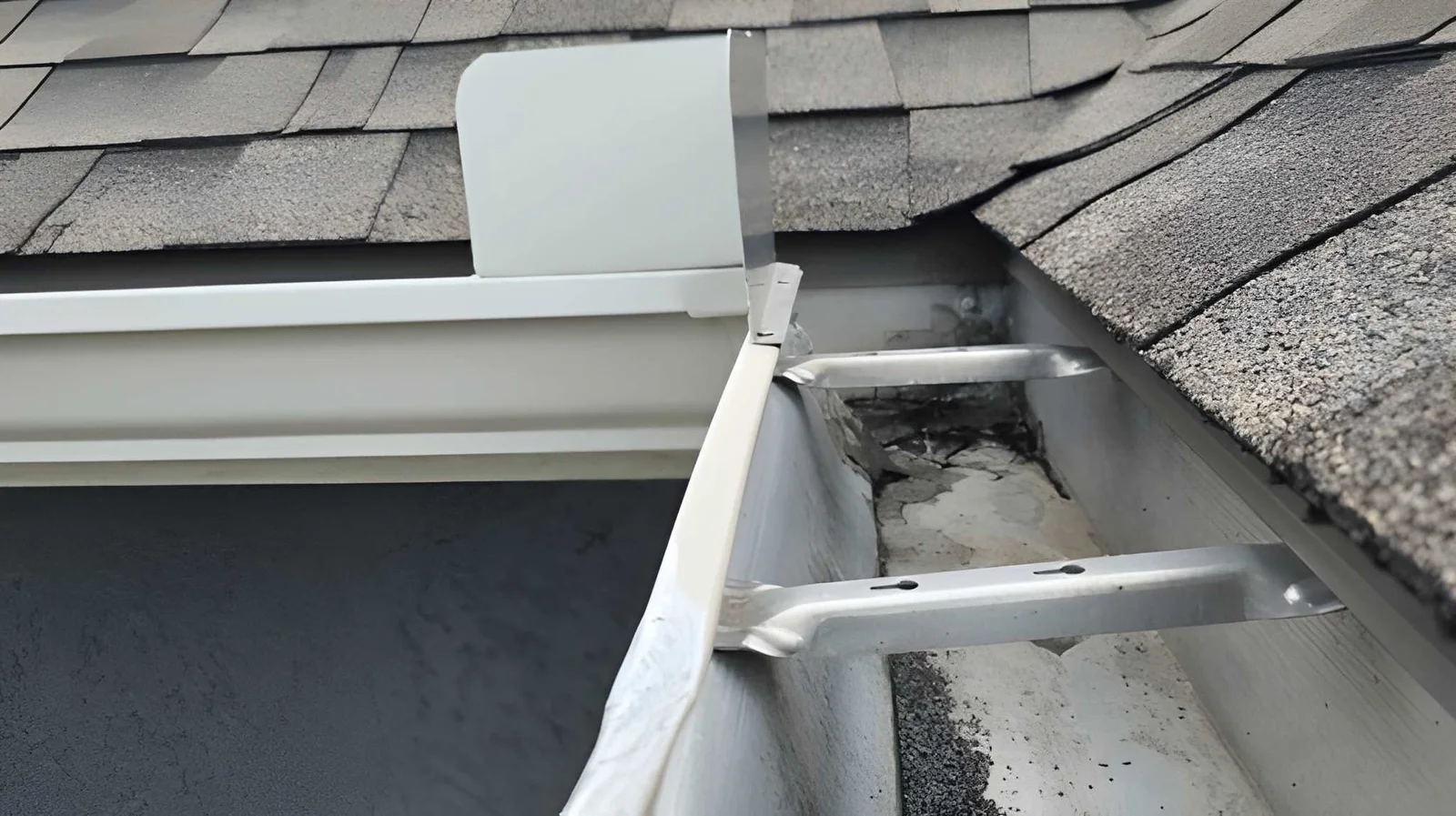
Gutters are the most ignored system on a house until the day water pours over the edge in the middle of a storm. By then the damage is rarely about the gutter. It is about the fascia that rotted, the siding that stained, or the basement wall that started to seep. If you are asking how often you should inspect your gutters to prevent water damage, the general answer is at least twice a year, with extra checks after storms and heavy leaf fall.
The twice-a-year rule is a starting point, not a law. A house with no trees nearby may do fine with one thorough clean, and a house under a pine tree may need four.
I check mine in two quick passes: a ground-level look after any big storm, and a proper ladder inspection each spring and fall. The five-minute look has caught more problems than the annual job.
This article is general information, not a roofing inspection. Ladder work is dangerous, so hire a professional if you are not comfortable.
It covers a quick answer, a frequency table, signs of trouble, a slope and flow test, a seasonal routine, mistakes to avoid, and a short FAQ.
How often should you inspect your gutters to prevent water damage?
Inspect your gutters at least twice a year, in spring and fall, and again after heavy storms, high winds, or major leaf fall. Homes near trees, especially pines, may need checks every three months. If you can only do one thorough inspection, do it in the fall.
How often does your home need it?
| Situation | Suggested frequency |
|---|---|
| General rule | At least twice a year, in the spring and in the fall |
| Only once a year | If you can only do it once, do it in the fall |
| Few trees nearby | One thorough clean per year may be enough |
| Many trees | Twice a year: spring and the end of autumn |
| Pine trees | Remove needles every three months |
| After storms | Inspect after severe weather, especially heavy rain, wind, or hail |
| Heavy rain climate | You may need to clean more frequently |
Sources agree on twice a year, but several are gutter cleaning companies, so adjust to your own trees and weather.
What signs mean trouble?
| Sign | What it may mean |
|---|---|
| Water overflowing the edge | A typical symptom of a clog or slow drainage |
| Standing water in the gutter | The gutter probably needs to be repositioned |
| Water marks below the gutter | Leaking or overflowing |
| Mildew or pooling near the foundation | Clogged gutters or a defect in the system |
| Sagging gutters | They cannot direct water away from the home properly |
| Cracks, holes, rust | Visible damage to inspect |
| Plants growing in the gutter | Seeds can sprout within a year in poorly maintained gutters |
How do you test slope and flow?
| Test | How |
|---|---|
| Flush test | Flush the gutter with a full spray of a garden hose and look for standing water or blockages |
| Slope guideline | Gutters should slope 1/4 inch for every 10 feet toward the downspout |
| Tighter standard | Some builders recommend 1/4 inch every 5 feet |
| Downspout check | If water drains slowly after cleaning, check for clogs and lodged debris |
| Visual check | Look for loose hangers, separated seams, and gaps at the roof edge |
What does a simple routine look like?
| When | Task |
|---|---|
| After storms | Quick ground-level look for overflow and sagging |
| Spring | Clean early to prepare for heavy spring and summer rains |
| Fall | Clean after most leaves drop, then flush and test |
| Winter | Watch for ice that can damage the gutter system |
| Every visit | Check downspout outlets and where water lands |
Avoid cleaning gutters right after rain. Work from the bottom up to avoid compacting leaves further
What mistakes should you avoid?
- Cleaning only the gutter. Check downspouts and where water exits.
- Ignoring small drips. Overflow can cause rot or seepage in a crawl space or basement.
- Overreaching on a ladder. Move it often.
- Skipping repairs. A clean gutter does not fix a bad slope.
Frequently asked questions
Do you need to inspect gutters after every rain?
No. Check after heavy storms or leaf fall.
Are gutter guards a replacement for inspection?
No. They reduce debris, but gutters still need checking.
When is the best time to clean gutters?
Spring and fall, ideally after most leaves have dropped.
Bottom line
Inspect at least twice a year, add checks after storms, and increase the schedule near trees. Flush the gutters, check the slope, and fix overflow quickly. A short routine protects your roof edge, walls, and foundation.
for more information visit https://tipsdrhomey.org/