
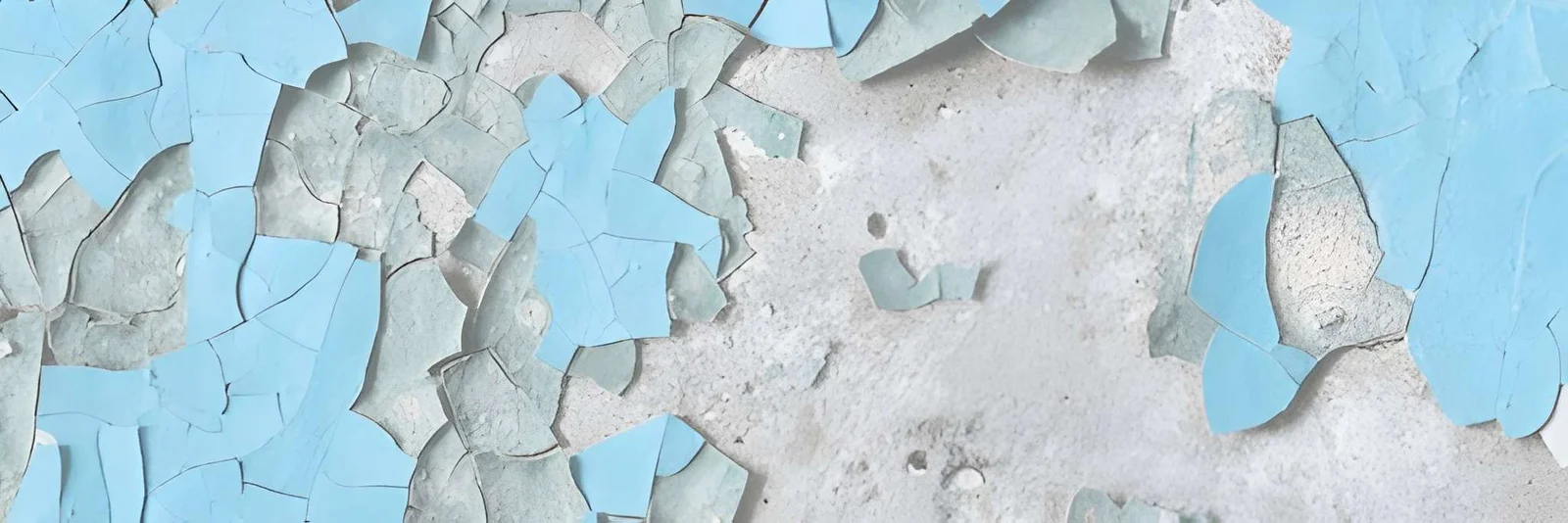
Peeling paint is rarely a paint problem. It is a message from the wall. Somewhere between the surface and the new coat, the bond gave up, and the reason is usually moisture, dirt, or a skipped step. If you are asking what causes paint to peel off walls and how you can fix it, the useful answer starts with diagnosis, because repainting without finding the cause only gives you a fresh coat of the same failure.
I have scraped walls that looked ruined and turned out to need only a dry-out and a bonding primer. I have also watched people repaint a bathroom ceiling three times without fixing the fan. The pattern is simple: the peeling shows you where to look.
Before you scrape anything, check the age of your home. Older paint can contain lead, which changes how you work. This article is general information, not a professional inspection.
It covers a quick answer, a cause-and-clue table, a step-by-step fix, lead safety, prevention, mistakes to avoid, and a short FAQ.
What causes paint to peel off walls, and how can you fix it?
Paint peels mainly because of moisture, poor surface preparation, or incompatible paints. To fix it, find and stop the moisture, scrape off all loose paint, sand the edges, prime bare spots, and repaint once the surface is fully dry. Painting over loose paint only means the new coat will come off with the old one.
What do the clues say?
| What you see | Likely cause | Fix |
|---|---|---|
| Peeling in a bathroom or kitchen | Moisture is the most common culprit, whether humidity, condensation, or seepage | Fix ventilation or leaks first |
| One or two patches | Poor prep tends to affect an area or two, not the whole surface | Scrape, clean, prime, repaint |
| Long flexible strips from glossy trim | Latex over oil without bonding | Sand dull, use a bonding primer |
| Peeling over a glossy wall | Painting over gloss without scuff-sanding | Scuff-sand before repainting |
| Peeling over patches | Drywall patch lines with no primer | Prime patches |
| Greasy kitchen walls | Cooked-oil film the topcoat never bonded to | Degrease before priming |
| Bubbling or blistering | Painting over a wet or damp surface | Dry fully, then repaint |
How do you fix it step by step?
| Step | Action |
|---|---|
| 1 | Find the moisture source, and fix leaks or ventilation before any painting |
| 2 | Check the age of the home, and test for lead if built before 1978 |
| 3 | Gently lift off the peeling paint with a scraper |
| 4 | Sand the edges so the repair blends in |
| 5 | Clean off dust and grease, and let the wall dry |
| 6 | Prime any bare or repaired areas, with no exceptions |
| 7 | Repaint with quality paint once the primer is dry |
In moisture-prone areas, an alkyd primer provides better adhesion and moisture resistance. Choose a primer that suits your surface and the paint already on the wall
What about lead paint?
| Fact | Guidance |
|---|---|
| Risk age | Lead paint was commonly used in buildings constructed before 1978 |
| DIY limit | Never remove lead paint by yourself, and contact a professional |
| US rules | The EPA’s RRP rule regulates this work |
| If positive | Wet-scrape only, use containment, wear a P100 respirator, and clean up with a HEPA vacuum |
| Easier option | Hire a certified RRP contractor |
Keep children and pregnant people away from the work area. Test first, scrape second.
How do you prevent it?
| Habit | Why it helps |
|---|---|
| Run bathroom fans | Reduces condensation |
| Fix leaks quickly | Stops moisture from behind |
| Clean walls before painting | The same paint that lasts years on a prepped surface can peel in months over dust or grease |
| Use compatible paints | Latex over latex, or a bonding primer in between |
| Let coats dry fully | Avoid trapping moisture |
| Inspect yearly | Catch small patches early |
What mistakes should you avoid?
- Painting over loose paint. It is a sign of poor adhesion, and the new coat will peel too.
- Skipping primer. Paint without built-in primer applied directly to drywall often fails
- Dry sanding old paint. Wet-scrape if lead is possible.
- Ignoring the leak. Moisture will win.
Frequently asked questions
Can you just paint over peeling paint?
No. Scrape, sand, prime, and repaint, or the problem returns.
Why does paint peel in bathrooms?
Humidity and condensation push moisture behind the paint. Improve ventilation and use a moisture-resistant finish.
How do you know if paint contains lead?
Homes built before 1978 may have it. Use a test kit or hire a certified professional.
Bottom line
Find the cause, fix the moisture, scrape and sand, prime bare spots, and repaint when dry. Check for lead in older homes before you scrape. Good prep makes paint last.
for more information visit https://tipsdrhomey.org/drhomey-handy-tips/