
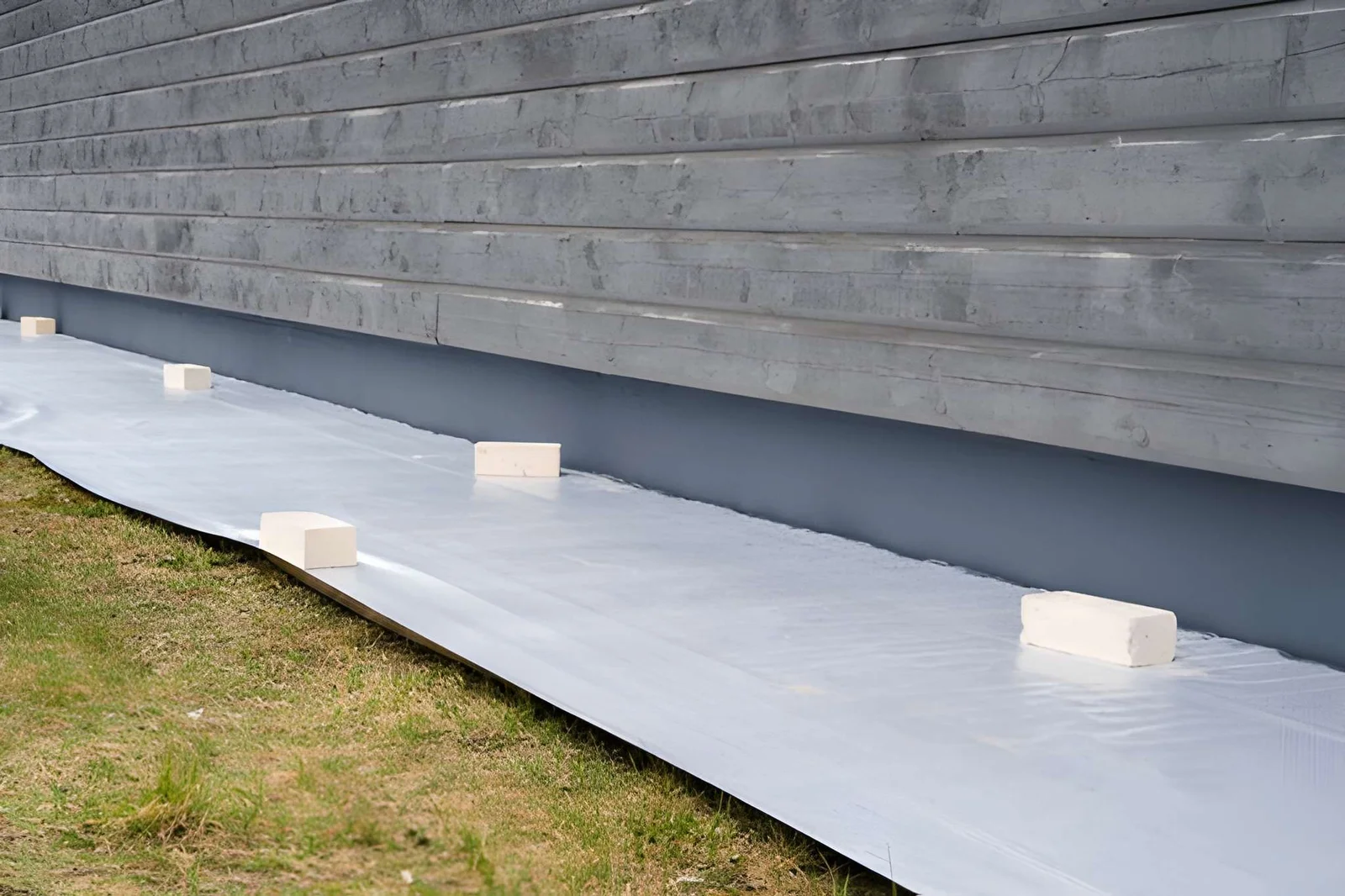
Foundations rarely fail all at once. They fail slowly, one wet season at a time, while the owner is looking at the kitchen. A gutter spills in the same spot every storm, the soil sags a little, a hairline crack grows, and years later a door stops closing. If you are wondering how to protect your home’s foundation from cracks and water damage, the best news is that most of the protection happens outside the house and costs far less than repair.
Water is the main culprit. It softens soil, builds pressure against walls, and carries away the ground that supports the house. Keep it moving away, and most of the rest takes care of itself.
I have seen homes where a $30 downspout extension would have prevented a $10,000 basement repair, and others where nothing helped because the drainage problem was bigger than a weekend fix. Knowing which is which matters.
This article is general information, not a structural inspection. It covers a quick answer, a drainage checklist table, key measurements, crack warning signs, a seasonal routine, mistakes to avoid, and a short FAQ.
How can you protect your home’s foundation from cracks and water damage?
Protect your foundation by grading soil to slope away from the house, keeping gutters clean, extending downspouts several feet away, keeping soil moisture steady during droughts, and planting trees at a distance. Seal small cracks early and have a professional inspect any crack wider than 1/4 inch or any stair-step crack in block or brick.
What should you check outside?
| Area | What to do | Why |
|---|---|---|
| Soil grade | Slope soil at least 6 inches over 10 feet away from the house | Sends water away |
| Gutters | Clean at least twice a year and check for cracks and pitch | Prevents overflow |
| Downspouts | Extend them 5 to 10 feet from the house, or bury a diverter | Stops water pooling at the wall |
| Mulch and beds | Move flower beds away from the foundation | Keeps moisture away |
| Trees | If branches touch the house, the tree is too close | Roots pull moisture from soil |
| Drought care | Run a soaker hose 6 inches from the foundation and 3 inches under the soil | Prevents soil shrinking |
| Basement or crawlspace | A sump pump relieves groundwater pressure | Handles rising water |
Sources differ on downspout distance, from three feet at the minimum to ten feet at the maximum, so go farther when you can.
What do the key numbers say?
| Measurement | Guidance |
|---|---|
| Soil slope | At least a 4 percent grade, or 6 inches of fall in the first 10 feet |
| Quick slope check | A 2-inch gap under a 24-inch level means about 10 inches of fall over 10 feet |
| Downspout extension slope | Drop at least 1/4 inch per foot so water keeps moving |
| Splash blocks | Only direct water about 2 feet away, which often is not enough |
| Gutter capacity | One downspout for about every 30 feet of gutter |
When is a crack serious?
| What you see | Meaning | Action |
|---|---|---|
| Hairline cracks | Often cosmetic | Monitor and seal early |
| Cracks wider than 1/4 inch | Possible movement | Call a professional for inspection and repair |
| Stair-step cracks in block or brick | Settlement | Fix the underlying problem soon |
| Horizontal cracks | Often linked to hydrostatic pressure | Get an expert opinion |
| Sticking doors, drywall cracks | Can follow uneven settling | Look at the foundation and drainage |
Photograph cracks with a ruler beside them and note the date to track growth.
What is a simple seasonal routine?
| Season | Task |
|---|---|
| Spring | Check grade after thaw, clean gutters, inspect cracks |
| Summer | Water soil evenly in drought, check tree growth |
| Fall | Clean gutters again, check downspouts and extensions |
| Winter | Watch for ice dams and meltwater pooling |
| After storms | Walk the perimeter and look for standing water |
What mistakes should you avoid?
- Dumping downspouts at the wall. Extend them.
- Overwatering plants beside the house. It saturates the soil.
- Ignoring leaks underground. Leaking supply lines under a slab can erode soil and make a foundation shift
- Sealing cracks without fixing drainage. The cause remains.
Frequently asked questions
How far should downspouts discharge?
Sources range from 3 to 10 feet. Farther is better, as long as water does not flow toward a neighbor.
Do small cracks matter?
Most hairline cracks are minor, but seal small ones promptly before they expand.
Who should inspect a foundation?
A structural engineer or qualified foundation specialist. Get an independent opinion before major repairs.
Bottom line
Keep water away from your foundation: grade soil, clean gutters, extend downspouts, and keep moisture steady. Track cracks, seal small ones, and call a professional for anything wider than 1/4 inch or stair-stepped.
for more information visit https://tipsdrhomey.org/drhomey-handy-tips/