
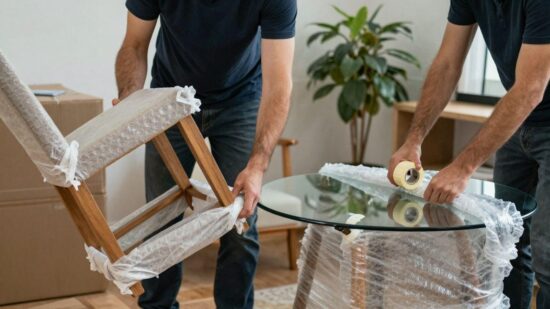
Utilizing High-Quality Packing Materials
Professional movers know that the right materials make a big difference. They don’t just grab any old box. Instead, they use sturdy, reinforced boxes designed to hold weight without collapsing. For delicate items, they reach for bubble wrap, foam sheets, and packing paper. These aren’t just random choices; each material serves a purpose. Bubble wrap offers cushioning, foam sheets protect flat surfaces, and packing paper fills gaps to stop things from rattling around. Using these high-quality packing materials is a core part of protecting your belongings. As a trusted example, Your Stuff moving company highlights on MoveYourStuff how professional movers rely on purpose-built materials to ensure safe and stress-free moves.
Strategic Cushioning for Fragile Items
Packing fragile items requires a careful touch. Movers use a technique often called ‘double wrapping’ for things like glassware or china. This means using multiple layers of protective material. They also pay close attention to how items are placed within the box. Heavier items go on the bottom, providing a stable base. Lighter, more delicate things are placed on top, with plenty of cushioning all around. This strategic cushioning prevents items from shifting and absorbing impacts during the move.
The goal is to create a protective cocoon for each item, minimizing any chance of damage from bumps or vibrations.
Reinforced Boxes for Secure Transport
Standard cardboard boxes can easily buckle under pressure, especially when stacked. Trained movers opt for reinforced boxes, which are built to withstand more weight and stress. This is especially important for heavier items or when boxes need to be stacked in the moving truck. They also ensure boxes are packed efficiently, filling empty spaces to prevent items from moving inside. This attention to detail with reinforced boxes means your belongings are much safer during the entire transport process. It’s a simple step, but it really matters for secure transport.
Disassembly and Reassembly for Furniture Protection
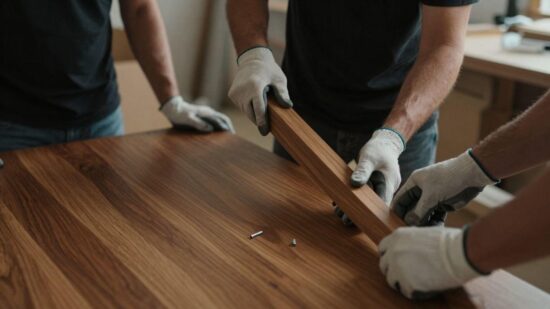
Preventing Structural Damage Through Disassembly
Large furniture pieces can be tricky to move. Taking them apart before the move helps a lot. This process makes items lighter and easier to handle. It also reduces the risk of bending or breaking parts during transit. Think about beds, wardrobes, or large tables. Disassembly is key to preventing structural damage.
Ensuring Easier Packing and Safer Transit
When furniture is taken apart, it becomes more manageable. Smaller pieces are simpler to wrap and pack. This makes the whole packing process quicker. It also means items fit better in the moving truck. Safer transit is a direct result of this preparation. Proper disassembly means less chance of items shifting and getting damaged.
Professional Reassembly at Your New Home
Once everything arrives, trained movers can put your furniture back together. They have the tools and know-how to do it right. This service saves you time and hassle. It also means your furniture is assembled correctly, ready for use. Professional reassembly gives peace of mind that everything is put back together securely.
Securing Furniture Within the Moving Truck
Optimizing Load Distribution for Stability
Getting furniture into the truck is only half the battle. The real trick is making sure it stays put. Movers know that a balanced load is key. Heavy items go on the bottom, near the cab, and spread out. This stops the truck from tipping and keeps everything from sliding around. Think of it like building a sturdy wall – you don’t put the heavy bricks on top.
Proper load distribution means the truck handles better on the road. It also means your dresser won’t end up on top of your couch. Professional movers use their experience to arrange items so the weight is even. This prevents damage and makes the whole trip safer for everyone involved. It’s a careful science, really.
The goal is to create a solid, stable mass inside the truck. This minimizes the chances of anything shifting, even on bumpy roads. It’s about smart placement, not just cramming things in. This careful approach to securing furniture is a hallmark of good moving companies.
Using Straps and Blankets to Prevent Shifting
Once everything is in place, it’s time to lock it down. Moving blankets are the first line of defense, acting as padding between items. They stop scratches and dents from things rubbing together. But blankets alone aren’t enough for larger pieces.
That’s where straps and ropes come in. Movers use tie-down points inside the truck to secure furniture. Ratchet straps are particularly useful because they can be tightened firmly. This prevents even heavy items like sofas or wardrobes from moving an inch during transit. It’s a critical step in protecting your belongings.
Securing furniture with straps and blankets is non-negotiable for a safe move. It stops items from becoming projectiles inside the truck.
Filling Empty Spaces to Minimize Movement
Even with careful placement and strapping, gaps can appear. These empty spaces are invitations for trouble. A small shift can turn into a big problem over miles of driving. Movers are experts at spotting and filling these voids.
They use smaller boxes, bags of soft items, or even specialized padding to wedge into these spaces. This creates a snug fit, making the entire load act as one solid unit. It’s about preventing any wiggle room. This attention to detail in filling empty spaces is what separates a good move from a great one.
- Use smaller boxes to fill gaps.
- Pack soft items like pillows or blankets into voids.
- Ensure no item can rock or slide.
This method of securing furniture is vital. It stops items from banging against each other or the truck walls. It’s a proactive way to avoid damage before it even happens.
Specialized Equipment for Safe Handling
Dollies and Hand Trucks for Heavy Items
Moving heavy items like refrigerators, pianos, or large wardrobes can be a real challenge. That’s where dollies and hand trucks come in. These tools are designed to take the weight off the movers and make it easier to roll heavy objects. A good dolly has wheels that can handle different surfaces, and a hand truck is great for items that need to be tilted and moved upright. Using this specialized equipment means less strain on the movers and a much lower chance of dropping or damaging the item. It’s all about making the heavy lifting manageable.
Furniture Sliders for Floor Protection
Scraping heavy furniture across a floor can leave nasty scratches, not just on your floor but also on the furniture itself. Furniture sliders are simple but effective. They’re placed under the legs or corners of heavy items, allowing them to glide smoothly across carpets or hard floors. This prevents friction and protects both your belongings and your home’s surfaces. They’re a small item that makes a big difference in preventing damage during moves.
Lifts and Ramps for Safe Loading and Unloading
Getting large, heavy items into and out of the moving truck needs careful planning. Ramps make it possible to wheel heavy items up into the truck without having to lift them entirely. For really heavy or bulky things, hydraulic lifts can be used to raise them safely. This specialized equipment is key for preventing injuries to the movers and damage to the items being loaded or unloaded. It’s a smart way to handle the most awkward parts of a move.
Adapting to Challenging Moving Conditions
Navigating Narrow Hallways and Staircases
Moving day can throw some curveballs, especially when your home’s layout isn’t exactly spacious. Trained movers know that getting large items through tight spots requires a specific approach. They’ll measure doorways, hallways, and stairwells beforehand to figure out the best angle and position for furniture. This careful planning prevents damage to both your belongings and your home’s structure. It’s all about smart maneuvering, not brute force.
Protecting Walls and Belongings During Maneuvers
When faced with tricky corners or narrow passages, the risk of scuffs and dents goes up. Professional movers use protective padding on walls and doorways. They also clear the path of any potential hazards, like rugs or stray items, to create a safe zone for moving. This attention to detail is key when adapting to challenging moving conditions, ensuring everything stays in one piece.
Maintaining Item Integrity in Tight Spaces
Getting furniture through a tight space is one thing, but keeping it safe throughout the process is another. Movers understand how to tilt, turn, and slide items without causing stress to their joints or surfaces. They’ll also use furniture sliders to glide heavy pieces across floors smoothly, reducing friction and wear. This careful handling is vital for maintaining item integrity, especially with older or more delicate pieces.
The Value of Experienced and Trained Personnel
Professional Handling of Delicate Items
When it comes to moving, the skill of the people doing the work makes a big difference. Trained movers know how to handle delicate items, like glassware or electronics, with extra care. They understand that these things need a gentle touch and specific packing methods to avoid damage. This attention to detail is what separates a good move from a bad one.
Expertise in Loading and Securing Cargo
Loading a moving truck isn’t just about filling it up. Experienced personnel know how to arrange items for maximum stability. They use straps and blankets to keep furniture from shifting. This strategic loading prevents items from banging into each other during transit. The way cargo is secured is a direct reflection of the team’s training and experience.
Effective Solutions for Unexpected Situations
Moving day can bring surprises. A narrow staircase, a tight corner, or an unexpected obstacle can pop up. Trained movers have seen a lot and know how to adapt. They can figure out the best way to maneuver large pieces without scratching walls or damaging the furniture itself. Their problem-solving skills are key to a smooth move, especially when things don’t go exactly as planned. This expertise is what you’re paying for when you hire professionals.
The Takeaway: Trust the Pros for a Smooth Move
So, when it comes down to it, moving all your stuff, especially the delicate bits and the bulky furniture, can feel like a real puzzle. You could try to figure it all out yourself, gathering up blankets and tape, hoping for the best. Or, you could just call in the people who do this for a living. Trained movers know all the tricks, from how to wrap that antique dresser just right to how to stack boxes so nothing gets squashed. They’ve got the gear, the know-how, and the experience to get your belongings from point A to point B without a scratch. It really takes a lot of the worry out of moving day, letting you focus on settling into your new place instead of stressing about broken lamps or scratched tables.