
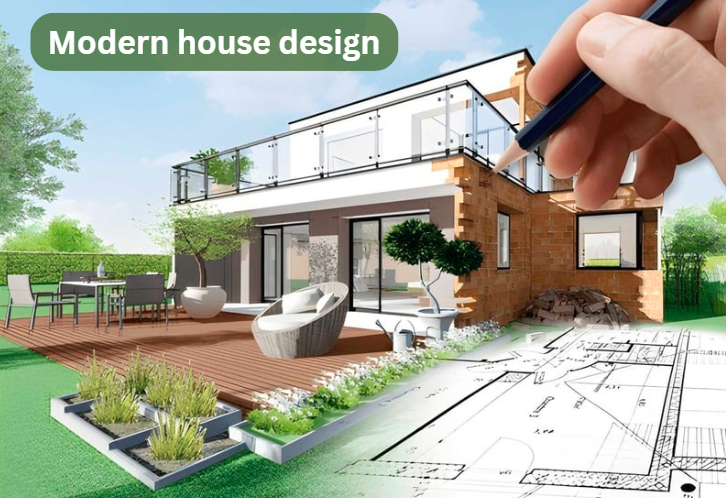
Modern house design is about creating living spaces that feel open, light, and comfortable without extra flourish. In the United States today many people choose designs that balance how they want to live with how a space works day to day. These homes tend to have simple shapes, natural light, and layouts that match family routines and personal tastes while avoiding clutter or confusing details. Modern house design also brings outdoor and indoor areas closer together, uses real materials on walls and floors, and often blends traditional comforts with new tech or energy‑smart features.
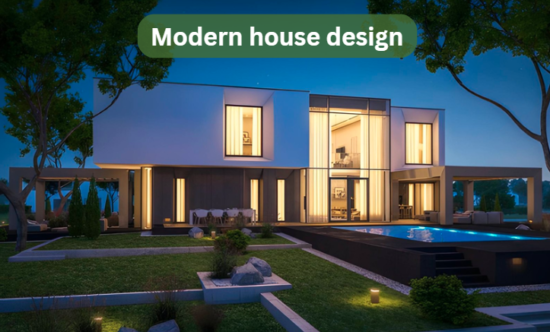
In this post you will find eight practical design ideas that can shape a dream home. These ideas include how to arrange space for flow, ways to use windows for natural light, handling colours and materials that feel calm, and design choices that help a home feel both stylish and easy to live in. I also include thoughtful touches for storage, lighting, flexible rooms, and smart features so you can adapt each idea to your own plans. This isn’t about trends that fade fast. These ideas reflect many lasting approaches that real homeowners use to enjoy their space more every day.
Overview of Modern Home Design
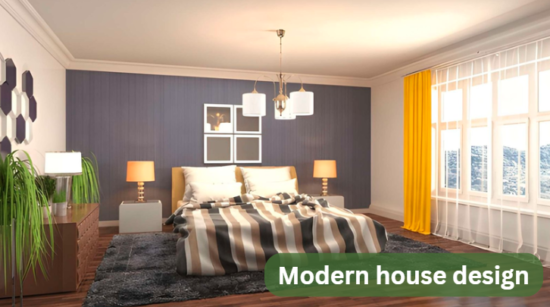
Modern house design isn’t just a look. It’s a way of organizing space and materials so a home feels easy to live in and open to light and air. Homes with this kind of design often use clean lines, simple shapes, and neutral colours to make rooms feel calm and balanced. Open floor plans help rooms flow into one another without sharp breaks in space, which can make even modest size homes feel larger and more welcoming
Today’s modern homes embrace honesty in the way materials are used. Instead of hiding wood, stone, metal, or glass behind heavy decorative layers, these surfaces are shown as part of the house’s structure.Keeping things simple just makes a house feel easier to live in. You see how people really use the space, not just how it looks for pictures With this kind of Exterior home design, everything has a job and just works in daily life. Modern homes also often bring the outdoors in, which makes living feel more connected to nature. Patios, terraces, or sliding glass doors that open wide help blur the line between inside and outside.
1.Open Floor Plans for Spacious Living
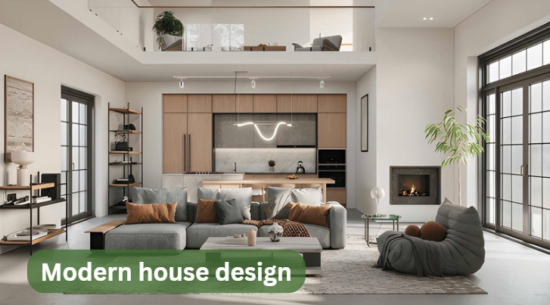
A defining idea in modern house design is an open plan that keeps the living room, kitchen, and dining area connected. Removing extra walls not only makes the home feel bigger but also supports daily rhythms like cooking while talking with family or hosting guests without isolation between rooms
Open layouts let natural light travel deep into the home and cut down on the need for artificial lighting during daytime. In smaller homes, this approach removes visual clutter and creates flexible living space that can change use from day to night. For example a corner that serves as a reading nook in the morning might turn into a homework station at night.
When planning an open floor plan think about how each zone fits together without barriers but still feels distinct. Furniture placement, area rugs, and lighting can help define these zones without building walls. This way the home works for everyday use and feels welcoming without feeling fragmented.
2.Large Windows and Natural Light
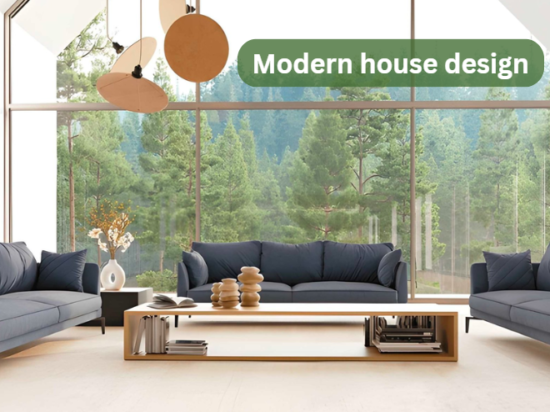
Modern home design often puts large windows at the centre of the plan so rooms feel bright and open. These windows may reach from floor to ceiling or span entire walls to invite daylight deep into living spaces
Natural light not only reduces reliance on electric lighting but also makes colours and materials look richer and more alive. Light can highlight wood grains, stone textures, and the soft glow of walls in neutral tones.It also makes the inside feel connected to the outdoors, which can be really calming. Picking the right windows matters too. South-facing ones let in plenty of light without it being too harsh, while north-facing windows give a nice, even glow. A little tint or some shades can keep things cool but still let in lots of daylight.
3.Minimalist Interior Design
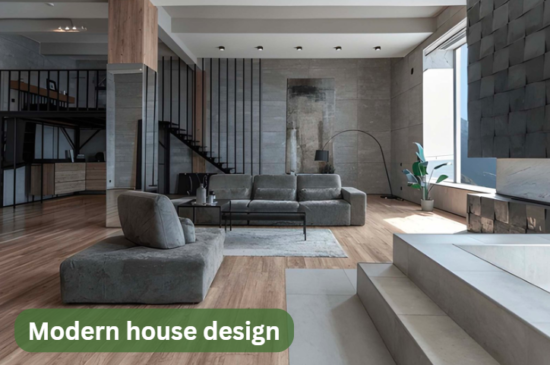
A minimalist approach in modern house Architecture means keeping rooms free from unnecessary elements. Furniture and fixtures are chosen for usefulness first and simplicity second. This doesn’t make a home feel empty but helps people live without distraction from too much decoration
Walls are usually painted in soft whites or warm greys so furniture and materials can stand out. Simple built-in shelves, cabinets, and storage keep things tidy without making the room feel cramped. Doing storage this way makes the space easy to live in. You can also check out comprehensive guides for straightforward handy tips on keeping rooms functional and clutter-free.
Minimalism also encourages deliberate choices. Rather than adding many small objects, one well‑chosen piece of furniture or a single artwork can shape a space without overwhelming it.
4.Smart Technology Integration
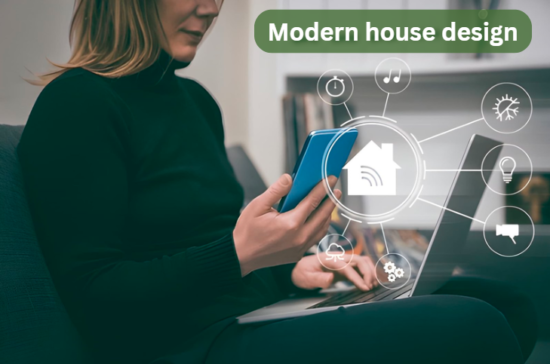
Modern house setups today often pairs well with technology that makes daily skills easier. Smart thermostats, lighting that adjusts automatically to time or activity, and security systems you control from a phone all help a home feel responsive to your day‑to‑day needs.
Instead of devices that stand out, many smart elements are hidden in walls or ceilings so the look stays clean. Smart tech can cut energy bills by turning lights off in empty rooms or adjusting climate when no one is home. Thoughtful placement of outlets, USB ports, and media wiring also supports convenience without disorder.
This kind of integration is not about gadgets for their own sake. It’s about making a space more comfortable and practical every single day without distraction.
5.Functional Furniture and Storage Solutions
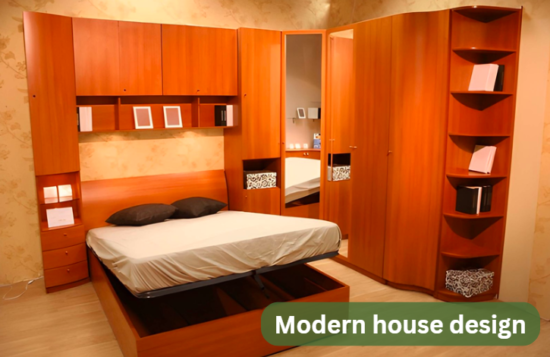
In modern house interiors furniture is chosen to fit the way people really live. Multipurpose seating that doubles as storage, tables that extend for guests, or benches with space underneath help reduce clutter and support activity without increasing visual weight.
Hidden storage behind cabinets or under stairs keeps toys, tools, and seasonal items out of sight. Custom closets and walk‑in pantries can make busy family life more organized and calm. Storage solutions like these help a home feel purposeful without heavy decoration.
Where possible, match the style to the materials around it. Wood cabinets can complement glass and metal accents so the overall look stays simple but cohesive.
6.Sustainable Materials and Eco‑Friendly Features
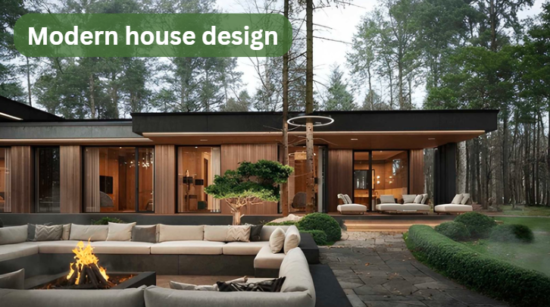
A strong theme in modern house architecture is using materials that last and make sense for the environment. Natural woods, stone, concrete, and recycled metal add texture and durability while avoiding synthetic materials that can age poorly.
Energy‑efficient windows, high‑quality insulation, and renewable energy elements like solar panels help cut utility costs and ecological impact. These choices just make life easier and last longer instead of chasing whatever’s trendy. Things like low-flow faucets and LED lights save water and energy, and they make the house work better for years without extra fuss.
7.Making Outdoor Areas Part of Daily Life
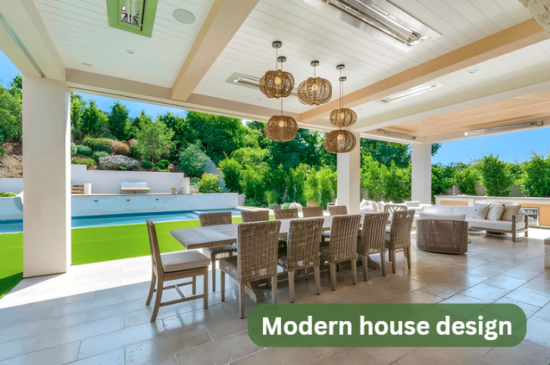
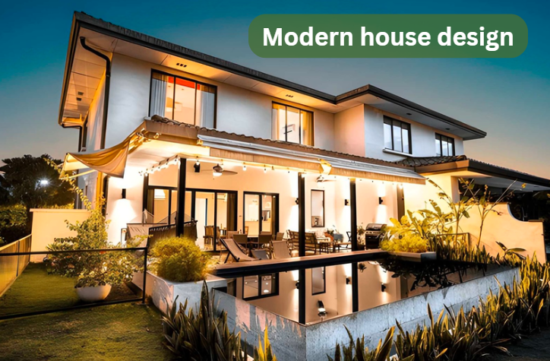
Modern homes don’t just look good inside they carry that style outside too. The way the house is shaped, the materials used, and how the outdoor areas link with the rooms all change how the place feels. You’ll often see flat or low-sloped roofs, simple shapes, and big windows that let in a lot of light.
Patios and terraces often feel like another room, so it’s easy to move from inside to outside without it feeling disconnected.
Outdoor kitchens or sitting areas can make a backyard feel like a room you use year‑round. All of this reflects how good exterior planning enhances daily life by increasing usable space.
This is where exterior design comes into play as one way to look at how outdoor space shapes the first impression of a modern home.
8.Practical Lighting and Colour Choices
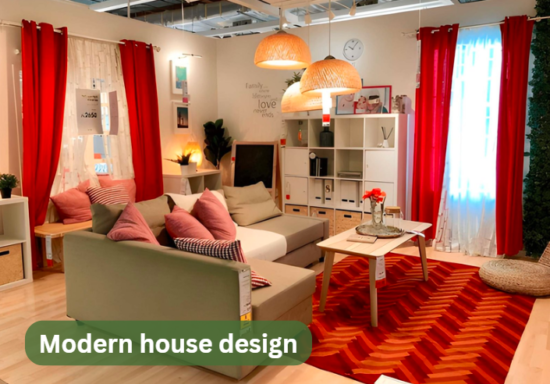
Good lighting makes even simple spaces feel warm and comfortable. Modern design favors layered lighting that includes natural daylight, task lighting over work areas like a kitchen counter, and softer lights for evenings.
Colour palettes in modern house styling often stay neutral so rooms feel calm and can fit many uses. Soft whites, greys, and beige help balance sunlight and materials so nothing feels too strong or loud. Accent colours can be added in textiles or art to bring personality without upsetting simplicity.
Lighting choices then help support mood and usability throughout the day and at night.
9.Flexible Spaces for Different Needs
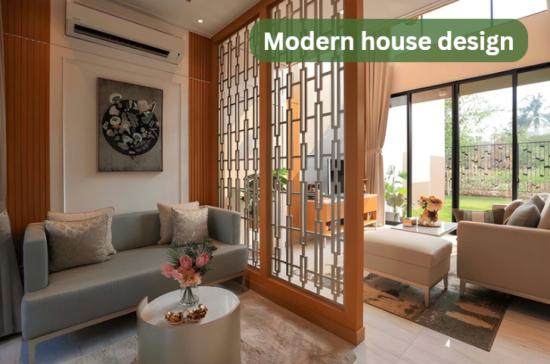
Modern homes don’t have to stick to one use. A room can be a home office in the morning, a guest bedroom at night, or even a play space for the kids. That’s what makes them feel practical and easy to live in.
You can keep things open and flexible with clear sightlines and movable dividers, so the space feels connected without building walls that can’t change.
Thoughtful planning means a room feels useful no matter what you ask of it on a given day.
Wrap Up
Modern house design is about creating a home that fits how you actually live. It’s rooted in clear shapes, open spaces, natural light, and thoughtful details that make daily life easier and more pleasant. These eight ideas combine real‑world insight with practical design choices so your dream home feels as good to live in as it looks. Read More about home tips at https://tipsdrhomey.org/
[…] house can look flat during the day and completely different after sunset just because of lighting. Modern house design treats lighting as part of the structure, not just an extra add on, which is why some homes still […]