
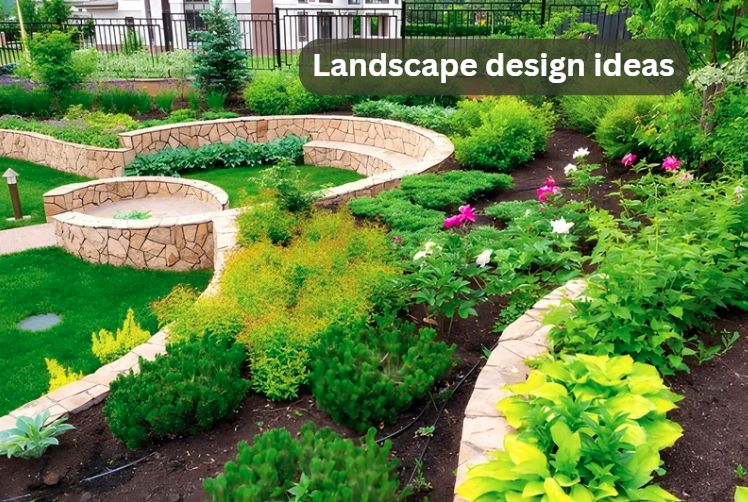
Until anything goes wrong, most people don’t give their yard much thought.The grass dies. The patio looks worn out. The space just sits there unused. However, a thoughtfully designed outdoor area can actually alter your daily perception of your house. Good landscape design ideas do not need to be complicated or expensive. This guide walks through 7 approaches that work whether you have a tiny city backyard or a sprawling suburban lot. Each one is practical and built to last.
Why the Right Landscape Design Ideas Save You Money Over Time
A lot of homeowners follow whatever looks popular on social media.The issue is that things that appear excellent in pictures don’t necessarily translate to real life.Trends shift fast.
Landscape design ideas rooted in function are different. The American Society of Landscape Architects has noted that a well-planned landscape can increase property value by up to 15 percent. Beyond resale value, a yard designed properly costs less to maintain every year. Water bills go down when you stop fighting the natural environment. The upfront thinking pays off in ways most homeowners do not expect.
1. Start with Zone Planning Before Anything Else
Ignoring the planning stage and going straight to plants or paving is the worst error in outdoor design.Zone planning is one of those landscape design ideas that sounds obvious but almost nobody actually does it properly.
Consider the real uses of the area by your household. Do the children require space to run? Is there a spot where you drink coffee in the morning? Do you grill on weekends? Those habits should drive every decision.
A yard divided into purposeful zones feels completely different from one that just happened. A dining area flows from the kitchen. A sitting area is tucked into a shaded corner. None of these need a hard border. A slight change in material or level is enough. For smaller yards this matters even more. A compact space with no clear purpose feels chaotic. The same space with defined zones feels surprisingly generous.
2. Native Plants Are the Smartest Landscape Design Ideas for Any Budget
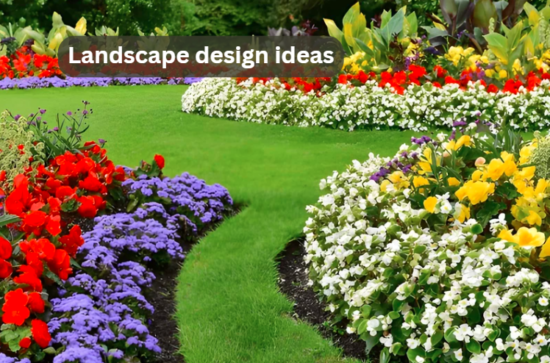
There is a reason landscape professionals keep coming back to native plants. They are already suited to local rainfall, soil conditions, and temperature swings.
For homeowners across the US the options are wide. The Pacific Northwest has red flowering currant and sword fern. The Southeast has black-eyed Susans and muhly grass. The Midwest is home to wild bergamot and purple coneflower.The Southwest has agave and native salvias. Each brings seasonal interest without demanding constant attention.
The environmental benefits are real too. Native plants attract bees, butterflies, and birds in a way that imported ornamentals simply do not. Resources on Sustainable home design connect these outdoor choices to broader home goals. From a design standpoint the key is layering. Tall plants at the back, medium height in the middle, low ground covers at the front.
3. Hardscaping Holds a Landscape Together Through Every Season
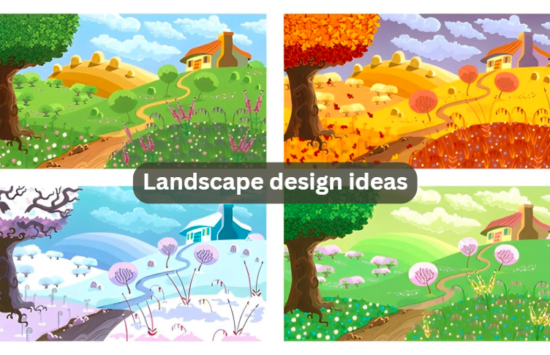
A yard that relies only on plants looks bare for half the year in most US climates. Hardscaping is what keeps a space feeling structured and intentional even when nothing is in bloom.
Patios, pathways, low walls, and edging materials are the framework everything else sits around. They do not need to be elaborate. A simple gravel path with clean edging. A concrete patio with a straight edge. These elements give the yard design a sense of permanence. For deeper inspiration on how hardscaping ties into the full exterior look, exterior design is worth exploring.
One thing worth knowing is that patios almost always get built too small. People look at a patch of ground and think it looks big enough. Then the furniture goes in and there is no room to pull a chair back from the table. A six-person dining setup needs at least 12 by 14 feet to feel comfortable. Measure with the actual furniture before laying a single paver. For larger properties, simple edging separating a lawn from a planting bed makes the whole space feel considered.
4. Natural Privacy Landscaping Concepts That Blend Seamlessly
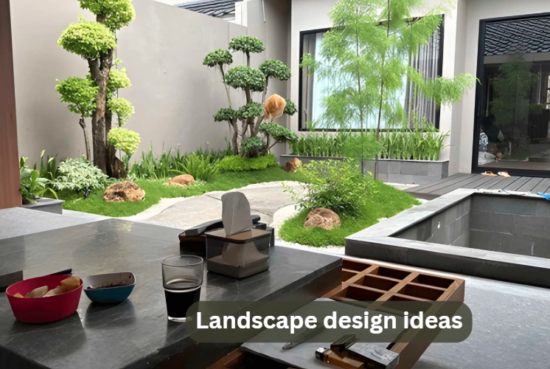
Nobody wants to sit in their backyard feeling like they are on display. Privacy is consistently one of the top things homeowners ask for in landscape projects. And there are much better ways to get it than a solid fence running the full perimeter.
Layered planting creates privacy that feels natural. Tall grasses at the boundary, a mid-height hedge in front, and lower flowering plants at the edge creates a screen with depth and texture. It looks like a garden, not a wall. Single trees placed strategically can do a lot of work too. One well-positioned tree can completely eliminate a sightline from a neighboring window or a busy street. Ideas from small house design ideas show how tree scale and placement tie the full exterior together.
5. Lighting Is One of the Most Overlooked Landscape Design Ideas
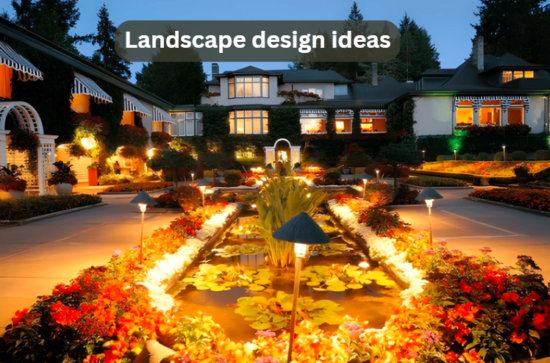
A yard that looks good in daylight and disappears after dark is only working half the time. Outdoor lighting extends the hours the space is actually usable and adds a completely different atmosphere at night.
The approach that works best is subtle layering. Low path lights along a walkway. An uplight at the base of a significant tree. String lights over a dining area. Each layer serves a different purpose and together they create depth. The one thing to sort out early is conduit placement. If you are doing any paving work, run the conduit before the surface goes down. It costs almost nothing at that stage. Retrofitting lighting later means breaking up finished surfaces. Well-planned lighting as part of the front elevation design improves both safety and street presence after dark. Guidance on contemporary architecture helps match lighting tone to the style of the home.
6. Outdoor Rooms Work for Every Size Property
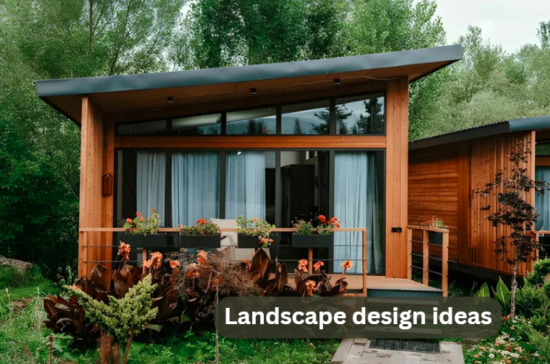
More US homeowners are building patios and garden areas that function like actual rooms. A fire pit area with four chairs is a living room. A table under a pergola with string lights is a dining room. A covered corner with a daybed is a reading nook. The shift is just in how you think about the space. Once it has a clear function and the right furniture, it gets used.
Materials matter a lot outdoors. Teak and cedar handle weather well without constant sealing. Powder-coated aluminum lasts years with minimal maintenance. For design direction connecting outdoor living to the overall exterior, drhomey exterior design covers this well.
7. Sustainable Choices Pay Back in Real Ways
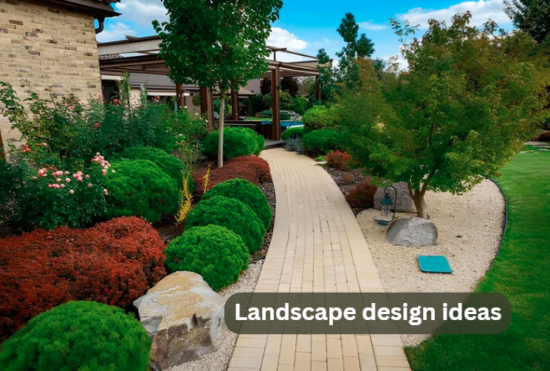
Sustainable landscaping approaches are not just about the environment. They make a yard that costs less to run year after year. Replacing a portion of lawn with native ground covers or mulched beds can cut outdoor water use by 30 to 50 percent. Grass is thirsty. Swapping even a third of it for something more purposeful saves water and time every week.
A simple rain barrel connected to a downspout may gather fifty gallons from a single moderate rainfall. Permeable pavement reduces flooding in driveways and patios by allowing rainwater to sink into the ground rather than rushing out into the street. For practical advice on making these choices work at different budgets, tips is a solid resource updated regularly with real homeowner-focused guidance.
Final Thought
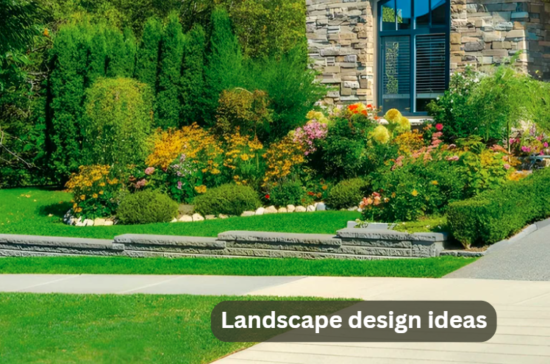
A great yard does not require a big budget or a complete overhaul. Start small, plan with purpose, and choose what works for your space. These landscape design ideas are built to last. One smart change at a time and the outdoor space you have always wanted will come together naturally.