
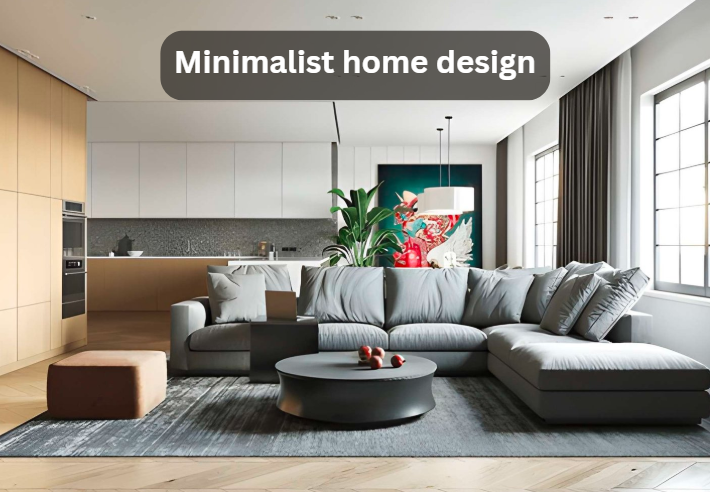
Minimalist home design is not about empty rooms or strict rules. Keeping what you need and getting rid of what you don’t is more important. A lot of homes in the United States end up feeling crowded with furniture, decor, and things that are barely used. Over time, that kind of space starts to feel heavy without people really noticing it.
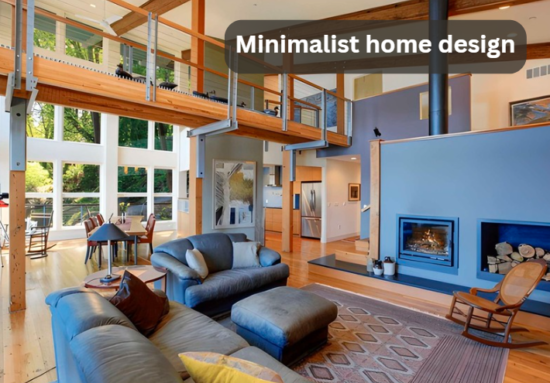
A simple, well planned home can change how your day feels. Clean spaces are easier to live in. They help you focus better, relax more, and move through your day without extra stress. Minimalist home design works because it brings things back to basics.It simultaneously clears the bodily and emotional congestion.
This guide breaks down eight simple principles you can actually use. You do not need a big budget or a full home makeover. Even small changes can slowly shift how your space feels and works for you.
What minimalist home design really means
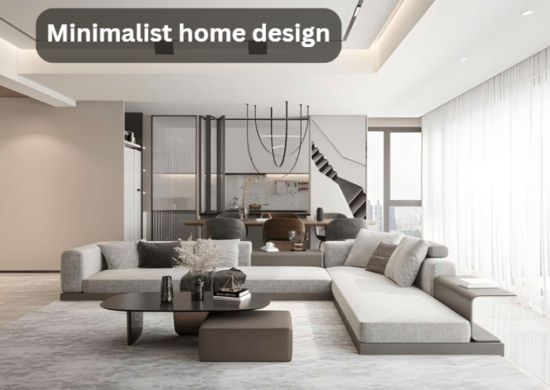
Minimalist home design is really just about keeping things with a purpose. If something in your home is not useful or it does not mean much to you, it usually just ends up taking space and adding to the mess.
A lot of people think minimalism means getting rid of almost everything.In actuality, that is untrue. That is untrue.It is more about being careful with what you bring in. A home can still feel warm, lived in, and personal without being full of unnecessary things.
In many homes across the United States, storage areas get packed over time. Basements, closets, and garages slowly turn into places where unused items pile up. Eventually, it becomes harder to manage all of it.thoughtful home layouts helps prevent that buildup by keeping things intentional from the start.
It also fits well with modern living. Most people want less stress, not more cleaning. They want homes that feel open and easy to maintain. A Home improvement guide mindset fits here because it focuses on improving how a space works instead of just filling it.
When your space is simpler, daily life also becomes easier.
Principle 1 focus on function first in Minimalist home design
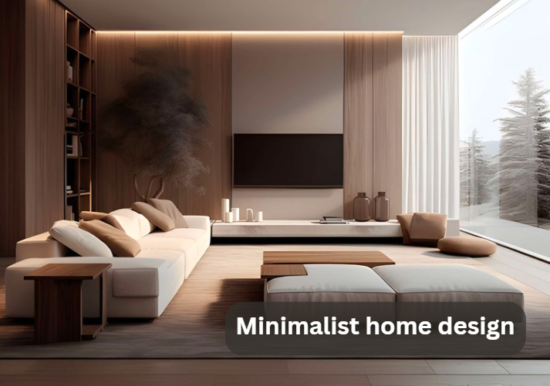
Every item in your home should have a job. That is really the starting point of minimalist home design. If something is not comfortable, useful, or used at all, it usually does not need to stay.
Examining each room and inquiring about its true function is beneficial. A living room should support relaxing and spending time with others. A kitchen should make cooking easy, not complicated. When you design around function, everything starts to make more sense.
A lot of homes end up crowded because items are chosen based on looks instead of use. That is when spaces start to feel tight even if they are not small.
Focusing on function also helps you avoid waste. You stop buying things you do not really need. Over time, that creates a home that feels more stable and easier to live in.
Minimalist way of home design works best when everything in the room actually earns its place.
Principle 2 keep a simple color palette
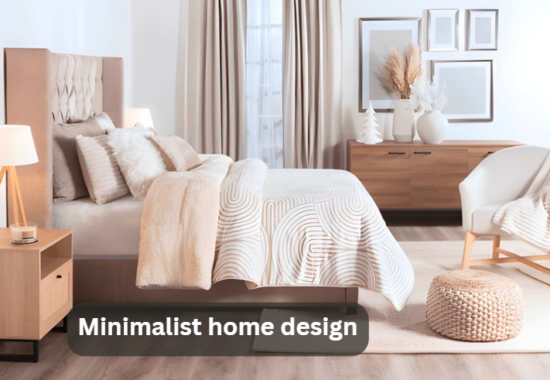
Color has a big effect on how a room feels. Soft and neutral tones usually make a space feel calmer. White, beige, light gray, and natural earth colors are often used in minimalist home design.
These shades also reflect light better, which makes rooms feel more open. On the other hand, too many strong or mixed colors can make a space feel busy.
That does not mean everything has to be plain. Small touches of color can still add personality. A plant, a cushion, or a simple artwork is often enough.
This idea is also seen in Contemporary architecture where color is used carefully instead of everywhere at once. The focus stays on balance rather than decoration overload.
Keeping colors simple also makes decorating easier. You do not have to struggle to match everything. Most things naturally fit together.
Principle 3 reduce clutter step by step
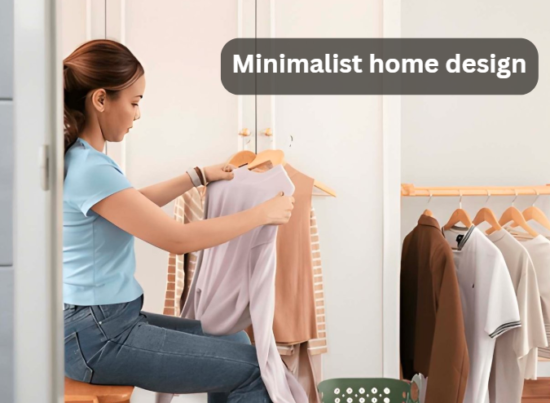
Decluttering is usually the hardest part for most people. It takes time and honest decisions. That is why minimalist in home design depends so much on this step.
The easiest way to start is small. Pick one drawer or one shelf. Remove what you do not use or do not really need. There is no need to fix everything in one go.
A useful way to understand this comes from Contemporary architecture, where spaces are kept open and nothing is added without a clear reason. The same idea works at home too. When you remove unnecessary things, the space instantly feels lighter.
Many families in the United States deal with extra storage without realizing it. Old clothes, unused tools, and seasonal items slowly build up. Clearing them out creates more usable space.
The goal is simple. Keep what you use or truly value and let the rest go. It is not about losing things. It is about making room for a better way of living.
Principle 4 choose quality over quantity
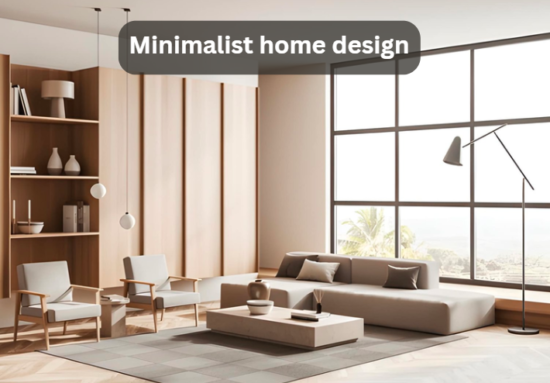
Buying fewer but better things is an important part of minimalist home design. Cheap items might seem fine at first, but they usually do not last long. That leads to replacing them again and again.
A good quality table, a comfortable sofa, or basic kitchen tools that are well made can stay useful for years. They do not need constant replacement and they often age better too.
A lot of clutter comes from impulse buying. Things get purchased without thinking about how long they will actually be used.
Choosing quality takes a bit more patience, but it pays off later. You spend less over time and your home feels more settled.
This way of thinking also appears in drhextreriorly exterior design by drhomey, where long lasting choices are preferred over quick fixes. The same idea works inside the home as well.
Principle 5 use smart storage solutions
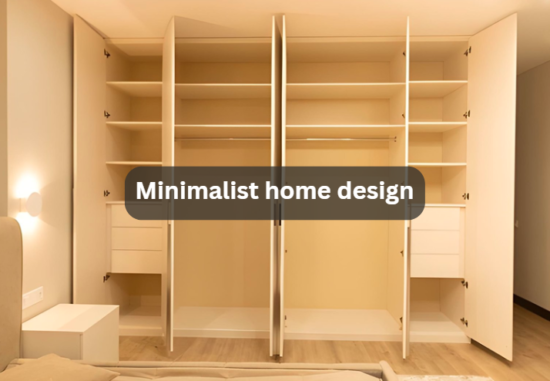
Storage is not really about hiding things. It is just about not leaving everything out.
When stuff has a place, the room feels easier to sit in. Closed cabinets help, and even simple things like using the space under the bed can make a difference. You are not getting rid of everything, just keeping it out of the way.
You can notice the same idea in drhextreriorly exterior design by drhomey . Things are placed where they make sense instead of just being left around. That is pretty much the same approach inside the house too.
A good Front elevation design can also plan storage in a way that supports the home from the outside structure as well.
Minimalist storage in home design does not remove storage. It just makes it smarter. It is simpler to keep organized and locate what you need when everything has a home.
Principle 6 let natural light lead the space
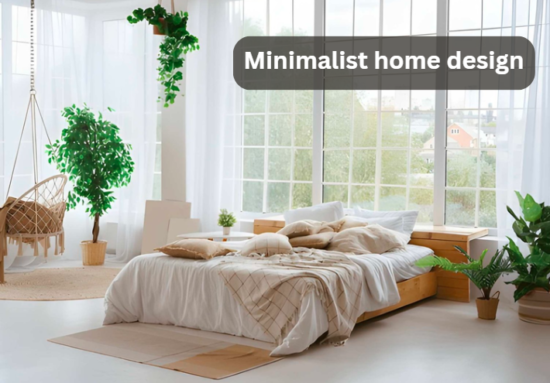
More than anything else, natural light alters the atmosphere of a space. Bright rooms feel open and relaxed, while darker rooms can feel heavier even if they are well furnished.
Minimalist principles for home design often uses larger windows and lighter curtains to let sunlight move freely through the space.
In drhextreriorly exterior design by drhomey, natural light is treated as a key part of the design instead of an extra feature. The same idea works inside the home too. When light is allowed to flow in naturally, the space feels bigger without adding anything extra.
In the United States, many homes have good access to natural light.When used properly, it can lessen the demand for artificial illumination during the day.
Light also highlights clean surfaces and simple design. It makes rooms feel bigger than they are.
Design choices that improve Curb appeal ideas often include better lighting from outside as well.
Natural light supports both design and well being. It also improves mood and daily comfort.
Principle 7 keep decor meaningful and limited
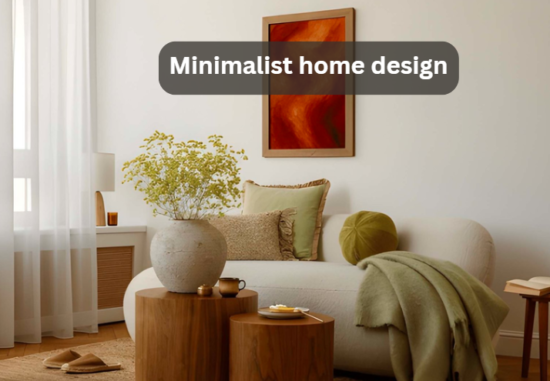
Decor should not fill every surface. A few meaningful items are enough. These can be photos, art, or objects with personal value.
Minimalist interiors avoids random decoration. Each piece should have a reason to be there.
People usually keep adding decor over time without thinking much about it. One item leads to another. After a while, the room starts to feel crowded and a bit messy even if everything looks nice on its own.The room feels more aesthetically pleasing and cozier when the unnecessary items are removed.
You do not need a lot of decoration to make a room feel complete. In many cases, one strong piece on a wall or a simple object in the room is enough. It stands out more when the space around it is clean.
Some simple design thinking like this can also be seen in exterior design, where the focus stays on keeping things clear and not overdone.
Simple interior design is not about filling space. It is more about choosing what actually matters and letting the rest go. That is what makes a space feel calm instead of busy.
Principle 8 design for daily life not trends
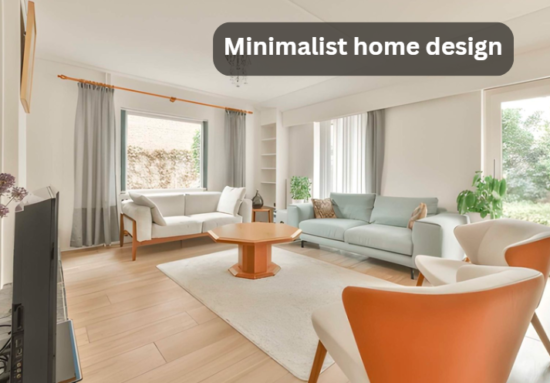
Trends come and go quickly. Something that looks modern today may not feel the same next year. That is why it makes more sense to design a home around daily life instead of trends.
Your home should work with your routine. If you cook often, the kitchen should be easy to use without extra clutter.Keeping your workstation simple will help you concentrate if you work from home.
A lot of people keep changing things just to match new styles. That usually leads to more items in the house and less free space.It gets more difficult to maintain organization over time.
Ideas like interesting facts often show that simple homes are easier to live in and maintain. They do not need constant changes to feel good.
Minimalist home interiors are really about keeping things practical.It should be in line with your daily lifestyle rather than changing trends.
Final thoughts
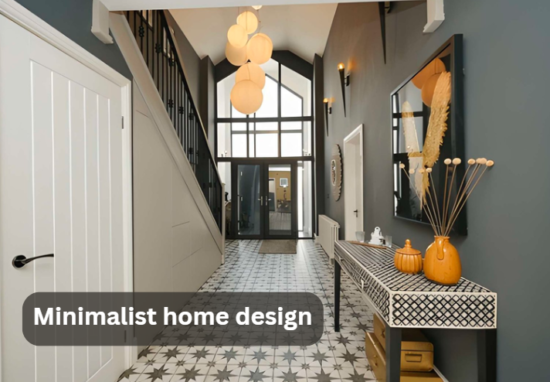
Minimalist home design makes life feel less complicated. There is less to clean, less to manage, and less stress from clutter.
You don’t have to make all the changes at once. It only takes minor adjustments over time to notice a difference.
It’s not about having very little in the end. It’s about preserving only what you truly require and what you find comfortable in your house. Read More about home tips at https://tipsdrhomey.org/