
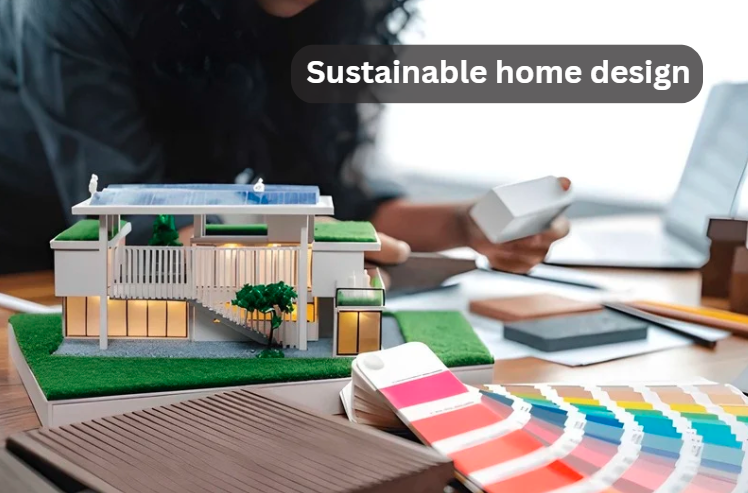
When someone says sustainable home design, most people picture expensive solar panels on a $900,000 house in California. That picture is wrong. A lot of what makes a home sustainable costs very little. Some of it costs nothing at all. And the upgrades that do require spending tend to pay themselves back within a few years through lower bills.
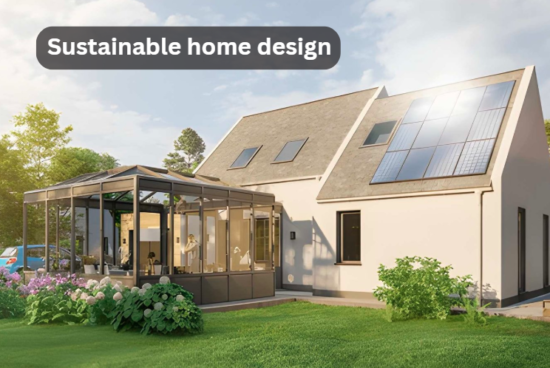
These 10 principles are what experienced green builders actually recommend. They work in new construction and in homes that are 40 years old. Pick what fits your situation right now and start there.
1. Passive Solar Design for Sustainable home design
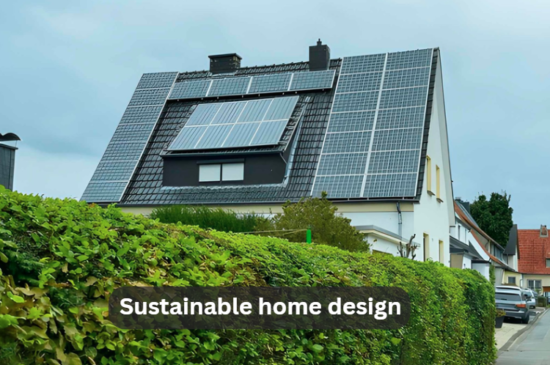
Which direction does your house face? Most people building new homes never think about it. In sustainable home design, orienting the longest wall south means winter sun warms your interior for free. A properly sized roof overhang then blocks the high summer sun before it hits the glass, keeping rooms cooler without the AC fighting all afternoon. For existing homes, planting a deciduous tree on the west side shades the hottest afternoon sun in summer and drops its leaves in winter to let warming light through. Zero cost, real results. Passive solar design alone can cut heating and cooling needs by up to 40 percent, making sustainable home design one of the smartest long-term investments for energy efficiency and comfort.
2. High-Performance Insulation and Air Sealing
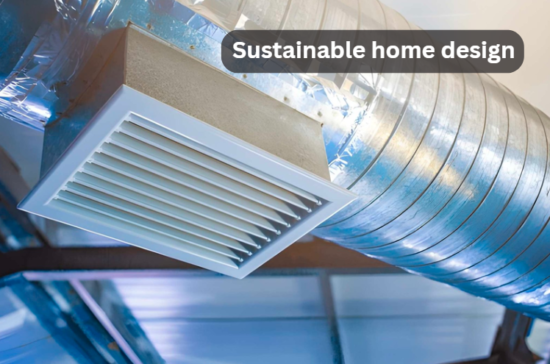
Nobody gets excited about insulation. But if there is one upgrade that consistently delivers the best return, this is it. Heating and cooling account for nearly half of what the average American household pays in energy each year. What most homeowners miss is that air sealing and insulation are two separate problems. You can have thick insulation in the attic and still lose heated air all day through gaps around outlets, recessed lights, and plumbing. A blower door test finds every leak. The fixes are usually cheap. Together, good insulation and sealing cut energy costs by up to 30 percent, roughly $600 back per year for the average home.
3. Energy-Efficient Windows and Doors
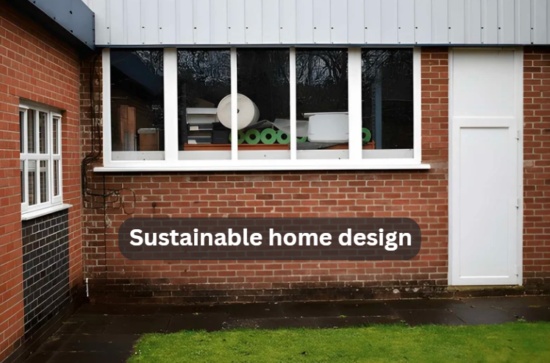
Old single-pane windows are basically holes in your wall for energy purposes. In winter, heat bleeds straight through. In summer, sun bakes in and your AC fights it all day. Double or triple-pane low-E windows fix both problems. The low-E coating reflects heat in winter and pushes solar heat away in summer. Argon gas between the panes insulates better than air. ENERGY STAR certified windows also qualify for federal tax credits right now, which takes a real bite out of the upfront cost. Not ready to replace yet? Thick thermal curtains do more than most people expect as an interim step.
4. Renewable Energy for Sustainable home design

The math on residential solar has shifted. Installation costs have dropped steadily and the federal Investment Tax Credit still offsets a significant share of the upfront expense. Homes with owned solar consistently save $150 to $300 a month on electricity. In sunnier states, solar water heaters cover 50 to 80 percent of hot water needs without touching the main electrical system. Battery storage adds grid independence for outages and rolling blackouts. And owned solar systems boost property values and help homes sell faster, so the investment works even if you plan to move eventually.
5. Water Conservation
Water rates have been climbing across the US and drought conditions in large parts of the country are not going away. Low-flow toilets, faucets, and showerheads cut indoor water use by up to 60 percent with no change in performance. Since toilets alone account for about 27 percent of indoor consumption, replacing an old inefficient model is an immediate win. Outside, swapping sections of traditional lawn for native plants and drip irrigation cuts outdoor water use dramatically. Native plants are adapted to local rainfall. Once established, most need almost no supplemental water.
6. Eco-Friendly and Durable Materials
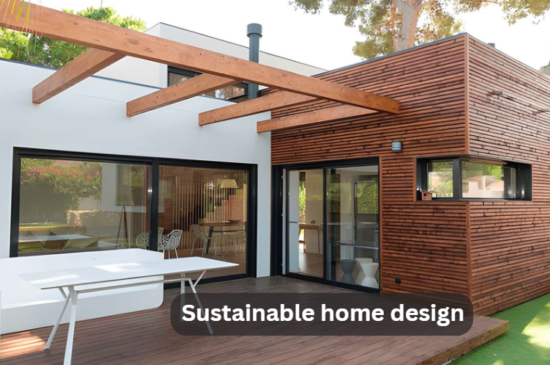
What your home is built from matters for the environment, for your health, and for long-term maintenance costs. Reclaimed wood avoids cutting new trees and old-growth reclaimed lumber is often denser and more stable than new. Those looking at small house design ideas will find reclaimed materials add character that nothing new can replicate. Bamboo matures in three to five years versus decades for hardwood. Low-VOC paints remove a long-term source of indoor air pollution at almost no extra cost. And durability is sustainability a metal roof lasting 50 years costs far less over time than a cheaper option replaced three times.
7. Smart Home Technology
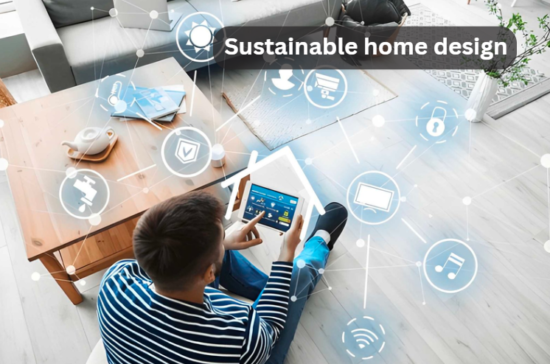
A smart thermostat learns when you are home and when you are not, and stops heating or cooling an empty house. That alone saves around 10 to 12 percent on heating and 15 percent on cooling about $145 a year from a device costing $100 to $250. Home energy monitors connect to your electrical panel and show in real time which appliances are drawing power. Most homeowners who install one are surprised by what they find. Those who act on the data typically cut bills by 15 to 20 percent. LED bulbs with occupancy sensors round it out, using 75 percent less energy than incandescent bulbs and lasting up to 25 times longer.
8. Compact and Efficient Space Planning
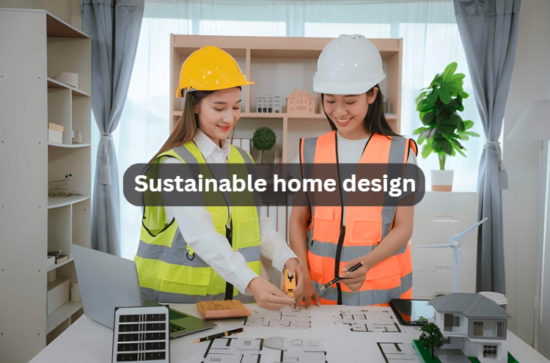
The US trend toward bigger homes has reversed. People have realized that maintaining 3,000 square feet when you use 1,500 of it is just waste in a different form. A well-designed smaller home costs less to build, heat, cool, and maintain. Multifunctional rooms deliver more value per square foot. Built-in storage removes bulky freestanding furniture. Skylights bring daylight into interior areas that would otherwise require artificial lighting throughout the day. A solid home improvement guide can show you how to find those efficiencies in any size home.
9. Indoor Air Quality
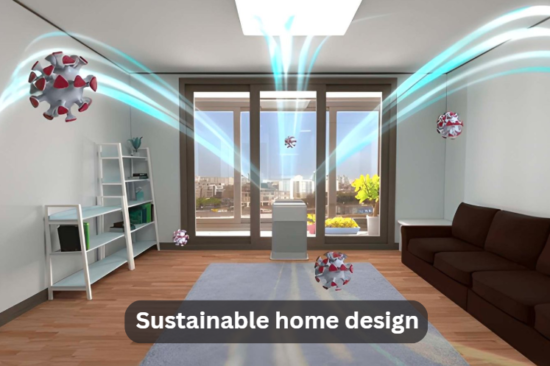
The average American home’s indoor air is more contaminated than most outdoor air, according to EPA data. Particleboard cabinets and cheap furniture off-gas formaldehyde for years. Synthetic carpets do the same. Conventional paints release VOCs long after they dry. None of it is dramatic short term. But years of exposure in a poorly ventilated home is a real health concern. The fixes are not complicated: solid wood over particleboard, natural fiber rugs over synthetic, low-VOC finishes throughout. Heat recovery ventilators bring in fresh air continuously while capturing up to 80 percent of the energy from outgoing stale air. HEPA filters catch what standard filters miss.
10. Long-Term Cost Planning and Green Certifications
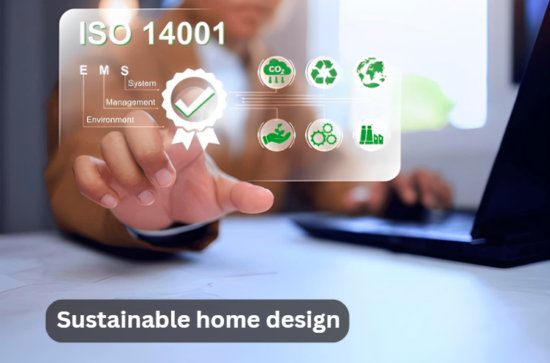
Most homeowners look at the price of a sustainable upgrade and stop at day one. Measuring it that way is incorrect.A solar system, metal roof, or high-efficiency HVAC is a 25 to 30 year investment. The question worth asking is not what does this cost but what does it save over the life of the home.
LEED and ENERGY STAR certifications give you an independent framework for those decisions and carry measurable resale value advantages. Federal tax credits for solar, windows, and HVAC upgrades are available to most US homeowners right now. Good home renovation tips help you sequence those investments so each one builds on the last. And for exterior durability, long-lasting materials on a luxury house exterior or a modest build cut maintenance costs for decades. In sustainable home design, spending more on quality once beats spending less on the same thing three times.
Final Thoughts
Sustainable home design is a direction, not a destination. Nobody overhauls everything at once. You pick one principle, do it well, and build from there.
The homeowners with the largest budgets are not the ones that achieve the best outcomes. They are the ones who think about their home as a system. When you start seeing how insulation affects HVAC load, how HVAC load affects solar sizing, and how landscaping affects summer cooling, every decision gets smarter.For practical, no-hype guidance on where to start, both tips drhomey and drhomey advice on designing offer real steps for homes at every stage and every budget.