
Roofs rarely die of old age alone. They die of a few repeated stresses: trapped moisture, shade and debris, heat, careless foot traffic, and seals that nobody checked. If you are asking what maintenance steps can help extend the life of your roof, the best answer is to match each step to the problem it stops. Do that, and a roof can often reach the long end of its lifespan instead of failing early.
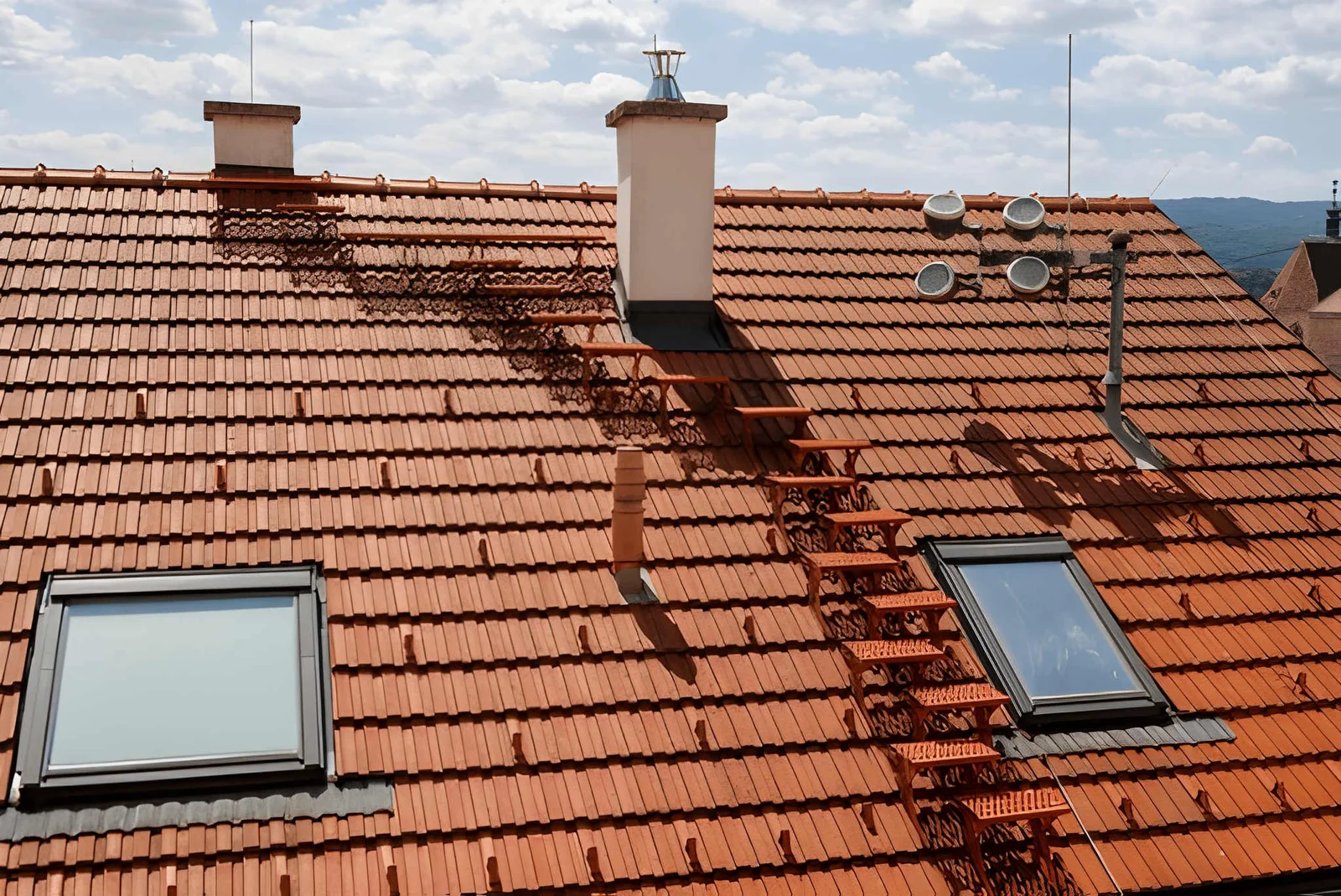
The routine advice is consistent across roofing sources: inspect at least twice a year, once in spring and once in fall. One manufacturer’s guide describes the most common leak point as the flashing around chimneys, vents, and skylights, where cracks, gaps, or rust can open a path for water.
I have seen a ten-year-old roof look older than a twenty-year-old one, and the difference was almost never the shingles. It was the gutters, the shade, and the attic.
This article is general information, not a roof inspection, and most sources are roofing companies. It covers a quick answer, a table of what shortens roof life, a yearly routine, what not to do, mistakes to avoid, and a short FAQ.
What maintenance steps can help extend the life of your roof?
Extend your roof’s life by inspecting it twice a year, keeping gutters and the roof surface clear of debris, trimming overhanging branches, controlling moss and algae gently, checking flashing and sealant, and keeping the attic ventilated. Avoid pressure washing and unnecessary walking on shingles, and repair small problems quickly.
What shortens roof life, and what stops it?
| Problem | Why it hurts | Maintenance step |
|---|---|---|
| Trapped debris | Leaves, twigs, and branches trap moisture, creating the ideal environment for moss and algae | Gently clear debris with a leaf blower from the ground or a soft-bristle broom |
| Shade from branches | Overhanging branches create shaded areas that encourage moss and algae | Trim branches that hang over the roof |
| Poor attic ventilation | Heat and moisture buildup can warp shingles and rot the roof deck | Check that attic vents and exhaust fans are clear and working |
| Clogged gutters | Water buildup can freeze and form an ice dam in northern winters | Clean gutters and downspouts at least twice a year |
| Failing seals | Flashing around chimneys, vents, and skylights is a common leak point | Inspect for cracks, gaps, or rust, and apply roofing sealant |
| Moss and algae | They can weaken shingles and lead to water damage | Treat gently, see below |
What should you do each season?
| Season | Tasks |
|---|---|
| Spring | Inspect for winter storm damage, clean gutters, check loose flashing, look for animal damage |
| Summer | Check for UV damage, attic ventilation, and cracked caulk |
| Fall | Clear leaves frequently, clean gutters, trim branches |
| After storms | Check shingles, especially after major storms |
| Yearly | Professional inspection if you notice concerns |
A from-the-ground inspection can look for lifting or missing shingles, a damaged drip edge, loose or missing flashing, and exposed fasteners.
How do you handle moss and algae?
| Method | Detail |
|---|---|
| Prevention | Zinc or copper strips along the ridge are an effective long-term solution |
| Cleaning | Gently remove moss with a soft brush or a specialized cleaner |
| Treatment | Use a gentle, no-scrub treatment rather than harsh DIY cleaners that could damage the surface |
| Runoff | Keep wash water from getting into storm drains |
Check the product label and your shingle maker’s guidance first.
What should you avoid?
| Do not | Why |
|---|---|
| Pressure wash | The high-pressure stream can strip granules from asphalt shingles, leaving them vulnerable to sun and rain |
| Walk on the roof | Your weight can crack or dislodge shingles, especially asphalt |
| Let small leaks sit | Small leaks can quickly escalate into costly repairs |
| Do complex repairs yourself | DIY fixes may cost more in the long run if you make mistakes |
What mistakes should you avoid?
- Waiting for a leak. Look for early signs.
- Cleaning the gutters but not the roof surface. Debris collects in both places.
- Ignoring the attic. Moisture can start from below.
- Using harsh chemicals. Follow product labels.
Frequently asked questions
How often should you inspect your roof?
At least twice a year, plus after major storms.
Do zinc strips work?
They are widely recommended to discourage moss and algae, but results vary by climate.
Can you clean a roof yourself?
Light debris removal is fine. For heights, steep roofs, or heavy growth, hire a professional.
Bottom line
Inspect twice a year, keep water and debris moving off, trim branches, ventilate the attic, check the seals, and repair small issues fast. Skip the pressure washer and the casual roof walk.
for more information visit https://tipsdrhomey.org/