
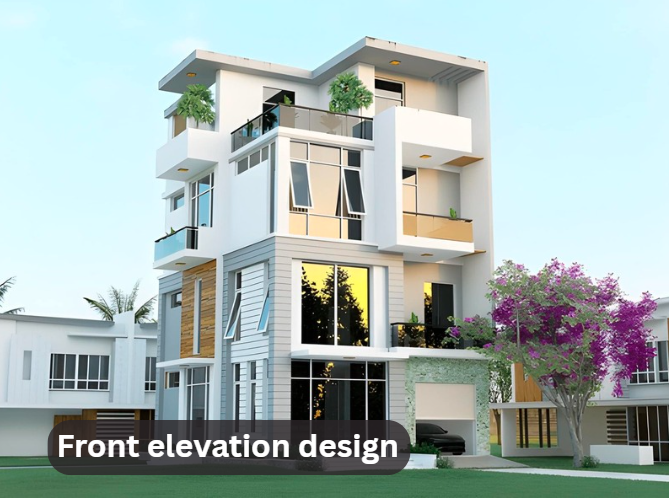
Front elevation design is basically how your house looks from the street. It’s the first impression, even before someone steps inside or knows anything about the home.
Although most people don’t give it much thought, it truly alters the feel of a property. You can have a decent house, but if the front looks off, the whole place feels less appealing.However, if the front is done correctly, even a basic house can appear great.
In the United States, a lot of homes already have good structure. The problem is usually small things. The color doesn’t sit right. The entry feels weak. Lighting is missing or just placed randomly. Nothing major, but enough to affect the look.
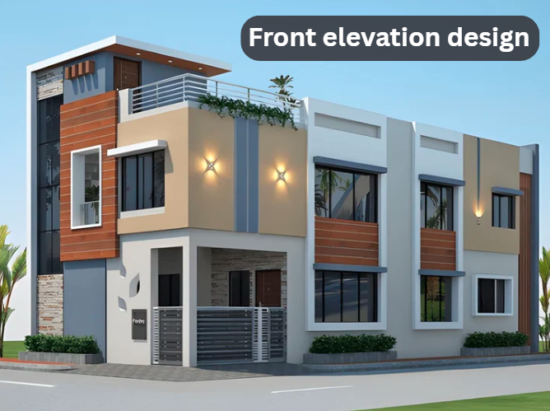
Front elevation design is not about making your house look fancy or expensive. Getting things to work together is more important.When the front feels balanced, everything else feels better too.
So let’s go over five easy things that really do make a difference rather than overanalyzing it.
What the Front of a House Really Means
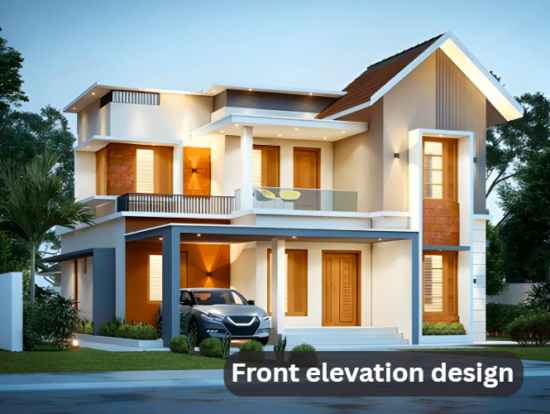
Front elevation design is just the front face of your house. That includes the walls, roof shape, windows, door, and whatever space is right in front of it.
It may seem straightforward, yet this is where the majority of homes either function or don’t.
A lot of people think it’s just about decoration. Like adding fancy tiles or expensive paint. But that’s not really what makes a house look good.
It’s more about how everything is placed.
If the windows feel uneven, you notice it. If the door doesn’t match the rest of the house, you feel it. Even if you can’t explain it, your brain picks it up.
Good front elevation aesthetics feels calm. Nothing feels forced. Everything just looks like it belongs there.
Modern homes in the US are moving towards simpler looks. Clean shapes, fewer materials, less confusion. Not because it’s trendy, but because simple things are easier on the eyes and easier to maintain.
One mistake people make is upgrading one thing at a time without thinking about the whole picture. For example, a new door but old lighting. Or fresh paint but messy landscaping. It doesn’t connect.
And when things don’t connect, the house feels incomplete.
Element 1 Exterior color and material
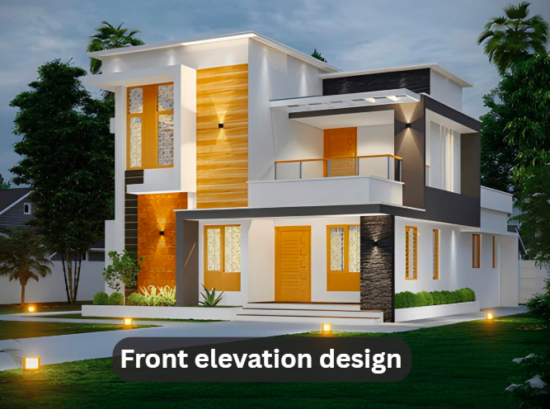
Color is the first thing you notice, even if you don’t realize it.Before details, before shape, your eyes catch color.
That’s why exterior color schemes matter so much. A house can look completely different just by changing shades.
Most homes that look good keep things simple.Typically, there is one primary color, one supporting color, and sometimes a tiny accent. That’s sufficient.
In the US, you’ll see a lot of whites, greys, warm beiges, and soft earthy tones. These are popular because they don’t age quickly and they work in different lighting.But color alone isn’t enough.
Materials matter just as much. Brick gives a strong and solid feel. Wood feels warmer and more natural. Stone feels heavier and more grounded. Even simple siding can look good if it’s clean and well maintained.
The problem starts when too many things are mixed without a reason. A bit of brick, random paint colors, different textures everywhere. It starts to feel messy.
Front elevation planning works best when there is a clear direction. Not too many ideas fighting each other.
A simple way to check your house is to stand across the street and look at it like a stranger. You’ll instantly see what feels off.
Sometimes even small changes like repainting the front door or adjusting trim color can completely shift the look.
Element 2 Entryway
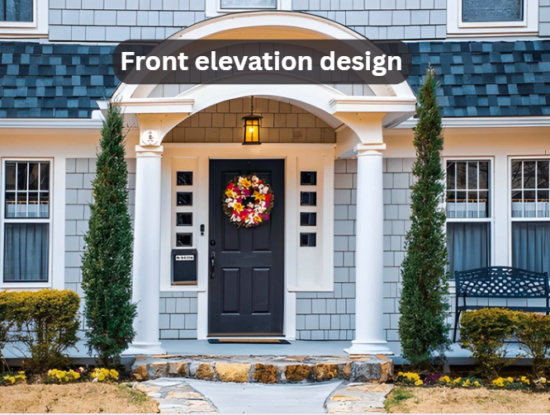
The entry is the part everyone notices first without even trying.It’s where the eye goes naturally.
If the entry is weak, the whole house feels weak. Even if everything else is fine.You don’t need a huge fancy entrance. You just need clarity.
People should immediately understand where the main door is and feel like it belongs there.Front elevation appeal gets much better when the entry is treated like the main point instead of just a door.
A simple solid door, maybe a small frame or porch, and proper lighting is often enough.
But many people overdo it. Too many decorations, too many plants, too many objects around the door. It starts feeling crowded instead of welcoming.Clean usually works better than busy.
Even small curb appeal ideas like a clean pathway or fresh paint around the door can change the whole mood of the house.
It doesn’t need to be complicated. It just needs to feel intentional.
Element 3 Windows and balance
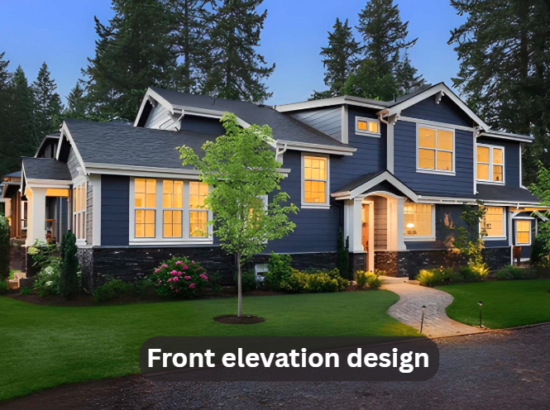
Windows are more important than people think.They don’t just bring light inside. They shape how the house looks from outside.
If windows are placed properly, everything feels balanced. If they’re off, even slightly, the house feels weird without you knowing why.
Front elevation balance depends a lot on this balance.
Some homes are perfectly symmetrical. Others are more modern and flexible. But both still follow one rule. Nothing feels random.
Size matters too. If windows are too small, the house looks heavy. If they are too large, it feels awkward. It needs proportion.
A lot of home renovation tips focus on paint or furniture, but window framing is one of the easiest exterior upgrades that actually changes the look.
Simple frame updates or clean lines can make a big difference.
The main thing is consistency. Once you choose a style, stick with it across the front.
Mixing too many styles rarely works.
Element 4 Lighting
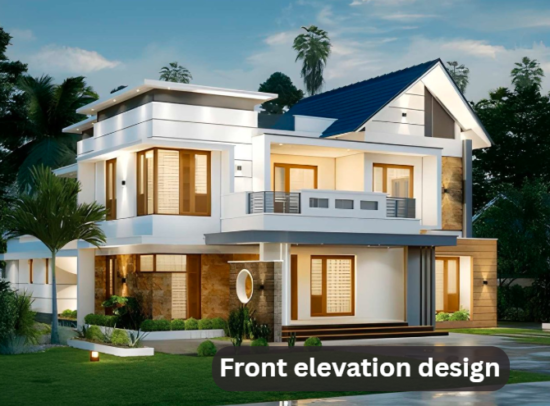
Lighting is something most people ignore during the day, but it completely changes the house at night. A house can look flat during the day and completely different after sunset just because of lighting. Modern house design treats lighting as part of the structure, not just an extra add on, which is why some homes still look balanced and complete even after dark.
Front elevation design should always include lighting planning, not just decoration at the end.
You don’t require a lot. Just enough to draw attention to the key points.
Entry lights are the most important. Then pathway lighting. Then maybe a few soft highlights on walls or textures.
Warm lighting usually feels better than harsh white light. It feels more natural and comfortable.
A simple rule many people follow in around the house is keeping all exterior lights in a similar style. It avoids confusion and keeps everything visually calm.
Bad lighting can ruin even a good design. Good lighting can improve even a simple house.
It’s one of those things that you can sense even though it doesn’t immediately stick out.
Element 5 Landscaping
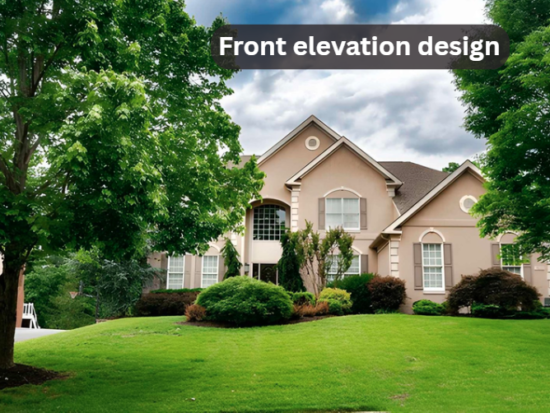
Just as important as the house itself is the neighborhood surrounding it.Front elevation design is not only walls and roof. It also includes the ground in front.
A clean yard already improves the look instantly.
You don’t need anything fancy. Grass, a few plants, and a clear walkway can already make a big difference.
Plants help soften hard surfaces. They make the house feel less rigid and more natural.
Layering works well here. Small plants in front, medium in the middle, taller near the house.
This kind of balance is often used in drhextreriorly exterior design by drhomey where natural elements and structure work together instead of fighting each other.
Adding too much is the error that people make.Too many plants, too many decorations. It ends up looking cluttered.
Simple landscaping is easier to maintain and usually looks better long term.
Final thoughts
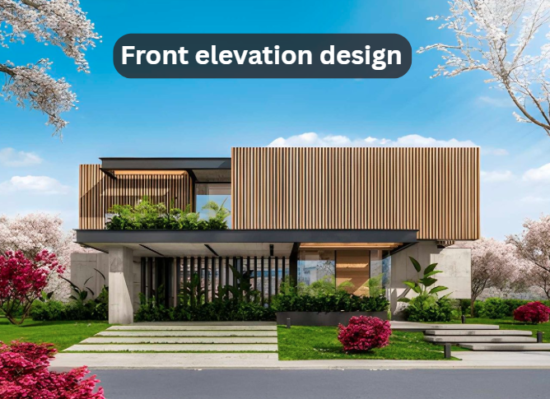
Front elevation design is not about doing everything perfectly. It’s about making sure things don’t clash.
Color, entry, windows, lighting, and landscaping all matter, but only when they work together.
You don’t need expensive changes. You just need things to feel connected.
When the front of a house is balanced, everything else feels better automatically. Read More about home tips at https://tipsdrhomey.org/