
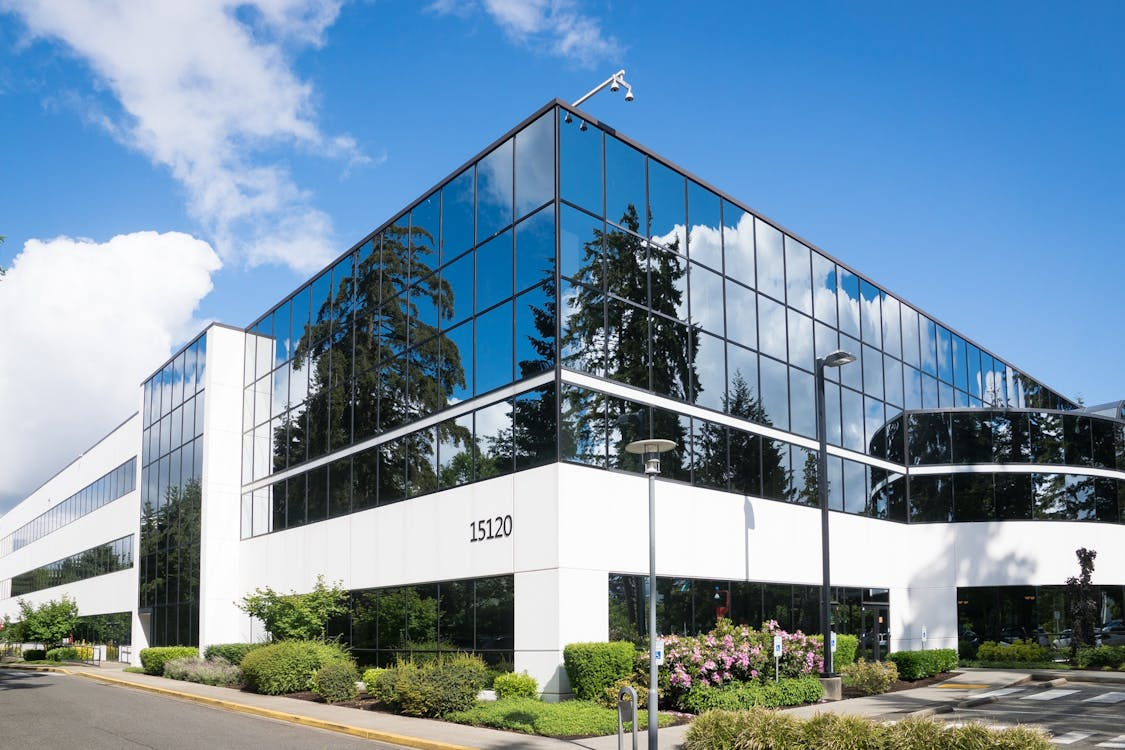
Regular care is key to keeping an office building safe, clean, and inviting. From fresh paint to well-kept interiors, routine upkeep helps preserve both appearance and functionality. Simple actions like checking lighting, cleaning vents, or repainting walls can make a big difference in how long a structure lasts. Businesses that prioritize these small details often enjoy fewer breakdowns and better working environments. A well-cared-for building also creates a positive impression on clients and staff. The focus here is on consistency and not major overhauls. With steady upkeep, every part of the structure continues to serve its purpose efficiently and for many years to come.
Here’s how you can keep the office space in top shape:
Why Consistent Maintenance Matters
Consistent upkeep keeps everything in working order. When regular inspections are carried out, minor issues are spotted early before they turn into expensive problems. For instance, addressing wear on floors, lights, and ventilation can extend their durability. Keeping things organized also helps with safety and comfort. Staff are more productive in clean, well-kept environments, and visitors form better first impressions. Routine upkeep saves money in the long term and helps preserve the original quality of the building. A thoughtful schedule that includes cleaning, inspections, and timely touch-ups prevents costly disruptions later. Staying ahead with routine care always pays off in reliability and longevity.
The Value of Expert Painting and Upkeep
Fresh paint does more than make walls look neat. It helps preserve surfaces and supports a pleasant environment. Experienced crews like office and retail space painters can handle everything from surface preparation to protective coatings. They use durable materials that last through daily wear, helping to maintain a professional appearance for longer periods. These specialists understand how lighting, surface texture, and color choices influence atmosphere and morale in workplaces. Their detailed approach makes upkeep smoother, saving time for business owners. They help keep interiors looking sharp and inviting, while extending the lifespan of walls and finishes across the building.
Regular Cleaning and Sanitation
Clean surroundings influence productivity and health. A regular cleaning routine for floors, workstations, and shared areas keeps surfaces fresh and free of dust. Proper sanitation practices prevent the spread of germs, especially in high-traffic areas such as entrances, break rooms, and restrooms. Paying attention to cleaning frequency helps materials last longer. For example, polishing wooden areas and vacuuming carpets prevents deterioration. Hygiene routines also reflect the organization’s standards, showing care for employees and visitors alike. When cleaning is done consistently and thoroughly, it helps maintain structural quality and boosts the comfort of everyone who spends time in the building daily.
HVAC and Air Quality Maintenance
Air quality affects both comfort and concentration. Regularly changing filters, checking ducts, and servicing equipment keep air systems efficient. A well-managed ventilation setup reduces energy use and improves airflow, making offices more pleasant year-round. Clean filters also prevent dust buildup that can damage machinery or irritate allergies. A good schedule for these tasks prevents costly breakdowns and maintains healthy working conditions. It’s important to keep records of when inspections and cleanings occur to avoid missed checks. Proper attention to air systems keeps everything running smoothly and contributes to a balanced, comfortable indoor atmosphere that benefits everyone inside.
Lighting Upgrades and Electrical Inspections
Lighting plays a key role in productivity and building safety. Periodic inspections of wiring and fixtures help detect wear before it leads to power issues. Modern lighting solutions can lower energy bills and offer better brightness control. Replacing outdated bulbs with efficient options improves visibility and reduces strain on the eyes. Inspections also reveal potential risks such as loose wiring or outdated circuits. Addressing these early avoids hazards and unnecessary downtime. Well-planned lighting checks make offices brighter and more energy-efficient, helping maintain both functionality and comfort for employees and visitors alike throughout the working day.
Flooring and Surface Preservation
Floors are often the first to show wear. Regular cleaning and care extend their usability and keep interiors appealing. Simple steps such as using mats at entrances, applying protective coatings, or scheduling polish sessions help prevent scratches and stains. For high-traffic zones, occasional touch-ups or replacements of worn tiles or carpet sections may be necessary. Choosing durable materials and maintaining them properly supports a tidy, welcoming environment. Taking time to address even small surface issues protects against long-term damage. Regular care not only improves appearance but also prevents unnecessary costs from premature material deterioration.
Plumbing and Water System Care
Water issues can cause costly damage if ignored. Regular checks of pipes, sinks, and fixtures help identify leaks or blockages early. Keeping these systems in good condition prevents mould, water stains, and other related issues. Even small drips can waste large amounts of water over time, so prompt action is key. Scheduling inspections and cleaning drains avoids major disruptions later. It’s also helpful to train building staff to report any irregularities right away. Regular attention keeps everything flowing smoothly, avoids water damage, and contributes to a safer and more efficient environment for everyone using the building daily.
Roofing and Exterior Inspections
The upper structure of a building is often out of sight but plays a major role in protection. Routine checks detect early signs of damage such as cracks, leaks, or loose materials. These inspections help avoid bigger issues caused by water or weather exposure. Cleaning gutters and removing debris also helps maintain structural strength. Keeping external areas in check adds to the building’s appearance and longevity. Scheduling inspections during seasonal changes ensures the structure stays sturdy all year. With ongoing care, costly replacements can be avoided, and the office building remains well-protected against environmental wear.
Consistent care keeps an office building in great condition for many years. From painting and cleaning to scheduled inspections, every small action contributes to long-term value. A well-kept structure supports comfort, productivity, and safety for everyone who uses it. Working with skilled service providers and sticking to a regular plan helps reduce costs and avoid major issues later. By focusing on steady, organized upkeep, owners can preserve quality, improve everyday experiences, and extend the lifespan of their office environment.