
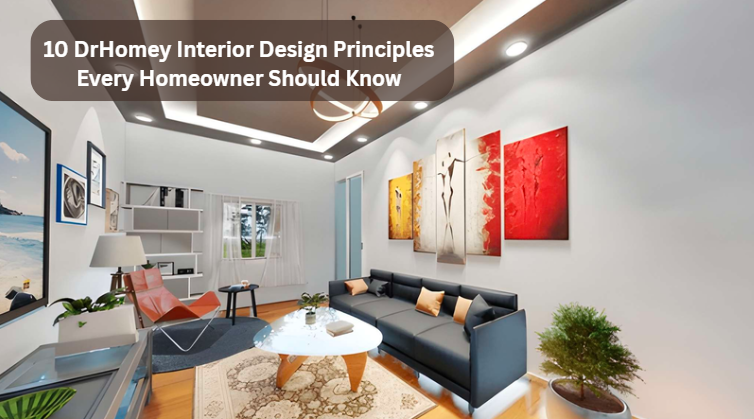
Most people know interior design as picking colors and furniture. But good design goes deeper than that. It changes how you live in your home every day. With a simple approach, you can make rooms feel more comfortable, useful, and personal without spending a fortune.It is about honest ideas that help you plan, adjust, and improve your space in ways that make sense for your life.
These principles are drawn from real design practices, common patterns in top‑ranked design guides, and practical advice people use in real homes. You will read about space planning, lighting, color balance, and how to create rooms that feel both calm and functional. You will also find links to comprehensive guides drhomey offers and extra insights on how to apply design basics in your own house. By the end, you will have a clear idea of what interior design drhomey really means and how to use it to shape every room in your home.
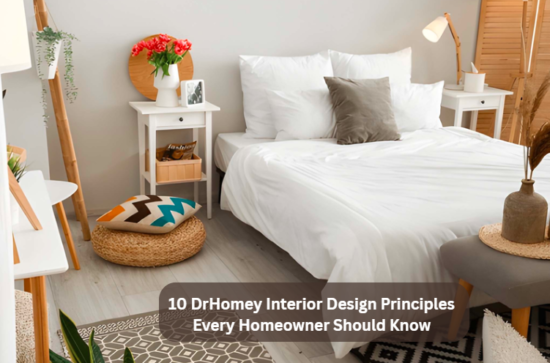
Start with How You Live in the Space
Good design starts with how you actually use each room. Pay attention to your daily routines and where you spend the most time. Ask yourself if the space supports your needs. A room should make everyday tasks easier. For example, see if your dining area is easy to move around in or if your living room seating works for both relaxing and talking. Focusing on function first helps you avoid choices that look nice but don’t work in real life. Spaces should feel easy to move in and live in. If you’re also thinking about outdoor areas, drhextreriorly exterior design by drhomey has practical ideas to carry your design beyond the walls of your home.
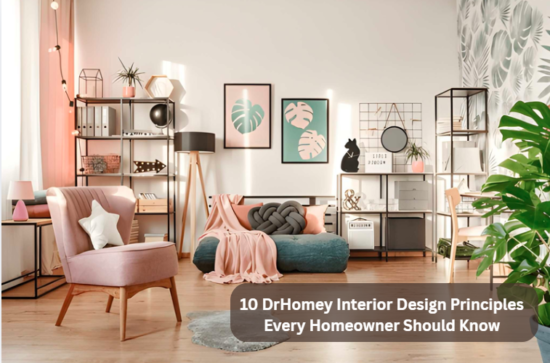
This real‑life habit is something that separates random decorating from strong interior design drhomey. Many top ranked interior guides emphasize that layouts should make sense before you pick colors or furniture. It also helps you plan lighting, storage, and how people move through your home.
Plan the Layout Before Anything Else
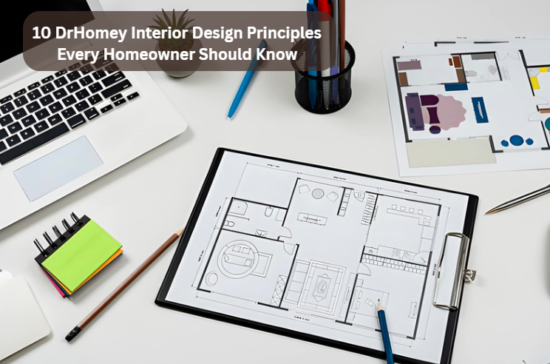
A good layout sets the tone for the whole room. It determines where furniture goes, how open the space feels, and where traffic flows. Before you buy anything, imagine where items will sit and how people will move around them. You can use painter’s tape on the floor to mark out furniture sizes.Planning the layout first makes everything easier later. A lot of people pick furniture before thinking about the space, and then it doesn’t fit quite right. Getting the layout sorted first is the key idea behind interior design drhomey. It helps avoid crowded rooms or furniture that feels out of place.
Use Balanced Color Schemes that Feel Calm
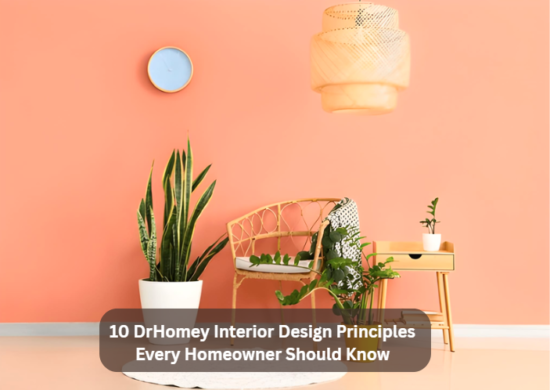
The colors in a room really change how it feels. Keeping things simple usually works best. Using soft whites, light grays, and natural shades can make a room feel calm and airy. A few accent colors here and there can add interest, but keep it simple. Usually, most of the room should be your main color, with a bit of a secondary color and just a small pop of a third color for highlights.
Many people who apply drhomey tips find that this rule makes rooms feel more cohesive and less busy. Proper color balance also gives you more flexibility if you decide to change accents or decor later.
Light Matters More Than You Think
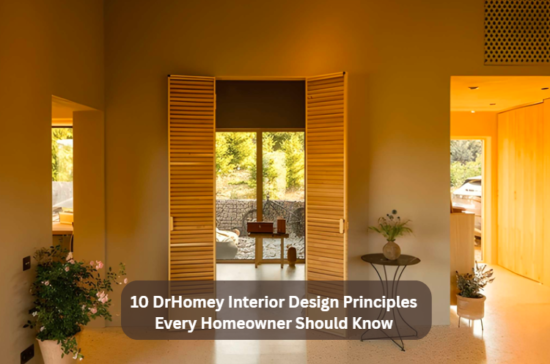
Natural light should be a big part of your design plan. Rooms with good daylight always feel more welcoming. Where natural light is limited, add layers of lighting so that the room is bright when you need it and soft when you want it to be calming. Task lighting near work areas and warm ambient lighting in relaxing spaces is a good place to start. Lighting can transform how surfaces look and how comfortable a room feels at different times of the day. Thoughtful lighting also makes smaller rooms feel larger and reduces eye strain in areas like reading nooks or kitchens.
Keep Furniture Proportional to the Room
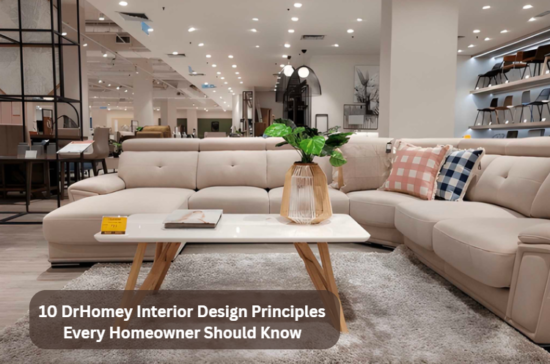
Furniture that is too large can overwhelm a small room, while tiny pieces in a large space feel lost. Make sure each item fits its surroundings. Think about scale and measure before buying anything new. This simple check prevents common design issues and keeps spaces feeling balanced. Visual balance makes a room feel relaxed and intentional rather than crowded or chaotic. Many top design principles highlight that proportion and scale are key to functional layout and aesthetic harmony.
Add Texture for Depth and Comfort
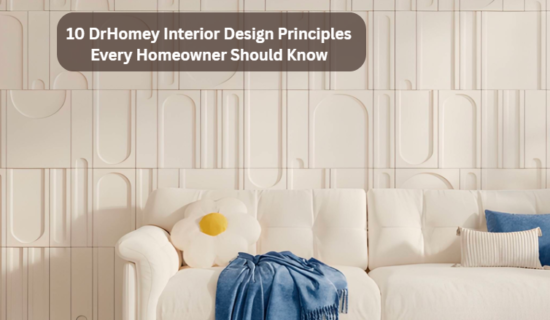
Texture makes a room feel more alive, you know? Hard stuff like wood or stone works well with soft things like rugs, pillows, or curtains. I usually stick to simple fabrics and natural materials because they last and don’t look out of place later. Even little touches can make a room feel warmer, like a small reading corner next to a wooden table. If you want more practical ideas like this, check out handy-tips-by-drhomey.
Create Focal Points That Draw the Eye
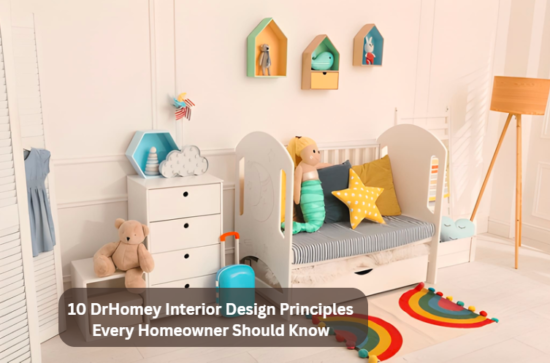
Every room needs something that catches your eye first. Could be a rug, a piece of art, or a chair that stands out. That one thing gives the room a little focus so it doesn’t feel messy. A lot of people just put stuff wherever, but a tip from drhomey advice on designing is to pick one main piece and build around it. Like in the bedroom, maybe the headboard or a painting above the bed. In the living room, it could be the sofa or the fireplace. It just makes the space feel more put together.
Think About Flow Between Rooms

Rooms should kinda feel like they belong together. Each room can have its own thing going on, but if you throw in some of the same colors or textures here and there, the whole place just feels connected. Walking from one room to another shouldn’t feel like a shock.
Just repeating a few simple details can make the whole place feel calm and pulled together.
Include Personal Touches That Reflect You
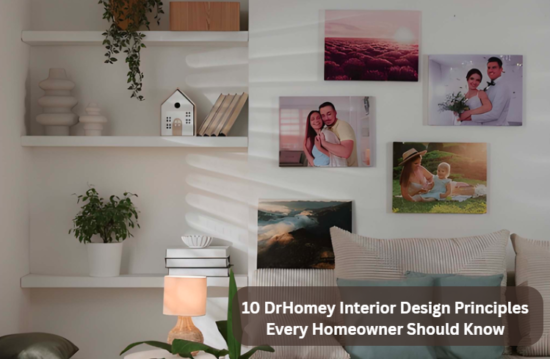
Your home should feel like it’s really yours. Stuff like family photos, little art pieces, or souvenirs from trips makes it feel lived-in. It doesn’t have to be expensive or fancy. Even small things that mean something to you can make the place feel cozy and show a bit of who you are. And if you’re curious about extra tips for making home life easier, there’s a drhomey discount code for drhparentingcourse that can give you some helpful ideas.
Maintain and Refresh Regularly

Design is not static. As your life changes, so should parts of your home. Refresh a color accent after a season, rearrange seating when needs change, or add new lighting where it makes sense. Regular small updates keep your space feeling fresh and functional. Treat your home as a living space, not a one‑time project. This approach matches the idea behind drhandybility handy tips by drhomey where simple adjustments over time make a big difference.
Practical Tips Around the House
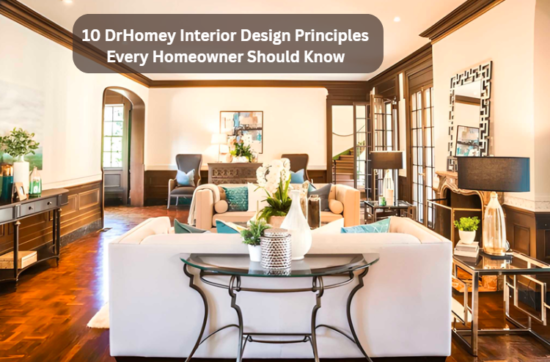
It’s really about how your home works for you every day. Stuff like keeping things where you actually use them, cleaning up little messes right away, and leaving space to move around makes the place feel easier to live in. Doing simple things like that makes your home feel comfortable and just… right. Little everyday tips like these, from handy tips around the house drhandybility, go hand in hand with interior design drhomey and make your space more enjoyable.
Little Things That Actually Change How a Home Feels
Honestly, it’s usually the small stuff that makes a home feel right. Like moving a chair so people can actually talk to each other, throwing down a rug that just makes the room click, or figuring out where to put your stuff so you don’t have to hunt for it. Doing little things like that the kind of stuff interior design drhomey talks about can make your place feel way more comfortable without spending a ton.
Closing Thoughts
Interior design drhomey isn’t about what’s trendy or buying fancy stuff. It’s really just about making choices that actually make your day-to-day life easier. Think about what works for you, what feels comfortable, and what shows a little of who you are. Most of the time, sticking to simple basics works better than trying to follow every style guide. Little changes over time are what actually make a home feel lived-in and nice to be in.