
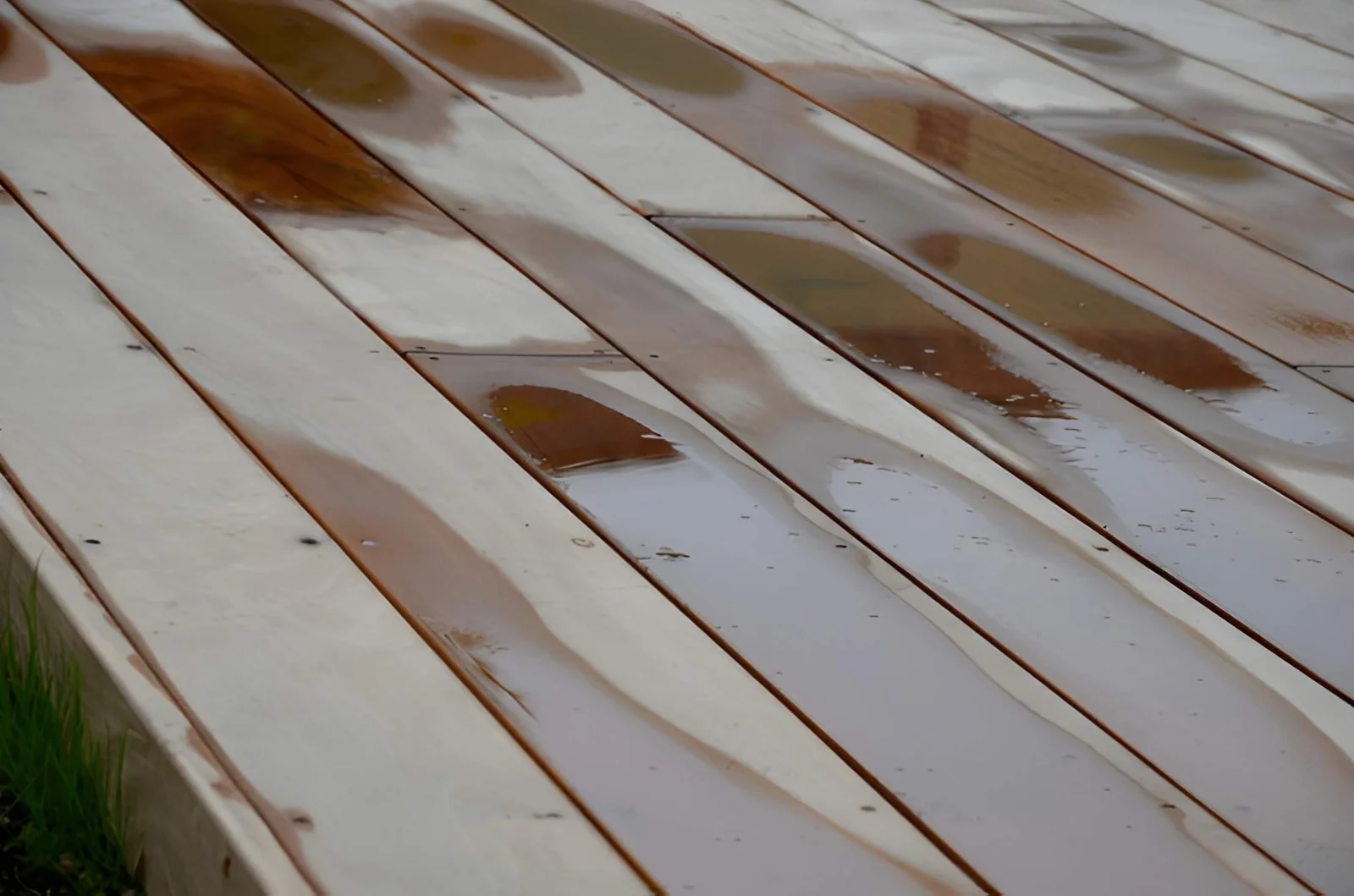
Wood does not rot because it is old. It rots because it stays wet. That one idea explains why a fence post can fail in eight years while the rails above it look fine, and why a deck frame can decay from the inside while the boards on top still look good. If you are asking how to prevent wooden decks and fences from rotting, the whole job comes down to keeping moisture from collecting, and knowing the places where it likes to hide.
The science is simple. A University of Arizona Cooperative Extension agent notes that wood must contain at least 20 percent moisture before it will support decay fungi, and properly dried lumber holds only 6 to 16 percent. In other words, dry wood does not rot.
I have seen homeowners spend a weekend staining the top of a deck while leaf litter rotted the joists below. The finish was not the problem. The trapped water was.
This article is general information for US homeowners. Climate and wood type change the details. It covers a quick answer, a rot-conditions table, a part-by-part prevention guide, an inspection method, mistakes to avoid, and a short FAQ.
How can you prevent wooden decks and fences from rotting?
Prevent rot by keeping wood below 20 percent moisture: use ground-contact rated treated lumber where wood touches soil, keep other wood off the ground, seal cut ends, leave gaps for airflow, clear debris from joints, and refresh stain or sealer. Inspect with a screwdriver each year and fix leaks and drainage first.
What does rot need?
| Factor | Detail |
|---|---|
| Moisture | Decay fungi need free water in the wood, above 20 to 25 percent moisture content |
| Ground line | Wood in ground contact decays most rapidly at the ground line |
| Cut ends | Wood absorbs water through cut ends about 11 times faster than through its sides |
| Joints | Decay develops first at joints in above-ground construction |
| “Dry rot” | If lumber is dry, it will not decay |
| Organic debris | It provides a friendly environment for fungi and traps moisture |
What should you do for each part?
| Part | Prevention |
|---|---|
| Posts in soil | Use pressure-treated lumber approved for ground contact if one end touches soil |
| Post bases | Metal post shoes lift wood above ground level |
| Untreated wood | Keep it at least 12 to 18 inches above soil |
| Deck frame | Keep band joists at least 18 inches off the ground so air can circulate |
| Cut ends | Seal cut ends and space deck boards far enough apart |
| Joist tops and ledger | Apply joist tape or flashing tape |
| Surfaces | Use sealer or stain to keep moisture from penetrating |
| Plants | Keep bushes and trees cut back at least 12 inches from the deck |
Check the end tag when buying lumber. End tags show whether it is treated for above-ground or ground-contact use. Remember that treatment is not a guarantee. Pressure-treated wood is not fully water-resistant.
How do you inspect for rot?
| Step | Action |
|---|---|
| 1 | Poke with a screwdriver or awl, especially at stair bottoms, for spongy spots |
| 2 | Probe board ends, areas near fasteners, and where wood meets concrete or ground |
| 3 | Check the ledger, post bases, and joist ends, from above and below |
| 4 | Wiggle railings to test for looseness |
| 5 | Slide a putty knife between boards to lift out trapped debris |
| 6 | Look for dark or discolored wood and a musty smell |
Soft wood you can push a tool into is rotting. Replace it, and fix the moisture source.
What routine keeps it dry?
| When | Task |
|---|---|
| Spring | Clean debris from gaps, corners, and under the deck, then rinse |
| Spring | Clear moss, vines, and debris within about twelve inches of fence bases |
| Each year | Tighten hardware, and check for rust and gaps |
| Every few years | Reseal or restain when water stops beading |
| After storms | Check gutters, downspouts, and soil slope |
| Always | Keep gutters clear and slope soil away from structures |
What mistakes should you avoid?
- Sealing wet wood. It traps moisture inside.
- Burying untreated posts. Use rated lumber or metal bases.
- Skipping the underside. Rot often starts below.
- Ignoring pooled water. Fix drainage, not just the wood.
Frequently asked questions
Can pressure-treated wood rot?
Yes. It resists rot but can still decay in wet, poorly ventilated spots.
How often should you seal a deck?
Reseal when water no longer beads on the surface. Timing varies by product and climate.
Is composite better?
It resists rot, but costs more upfront. Compare options for your climate.
Bottom line
Keep wood dry, off the soil, and free of trapped debris. Use rated lumber at ground contact, seal ends, leave airflow, inspect yearly, and fix drainage first.
for more information visit https://tipsdrhomey.org/