
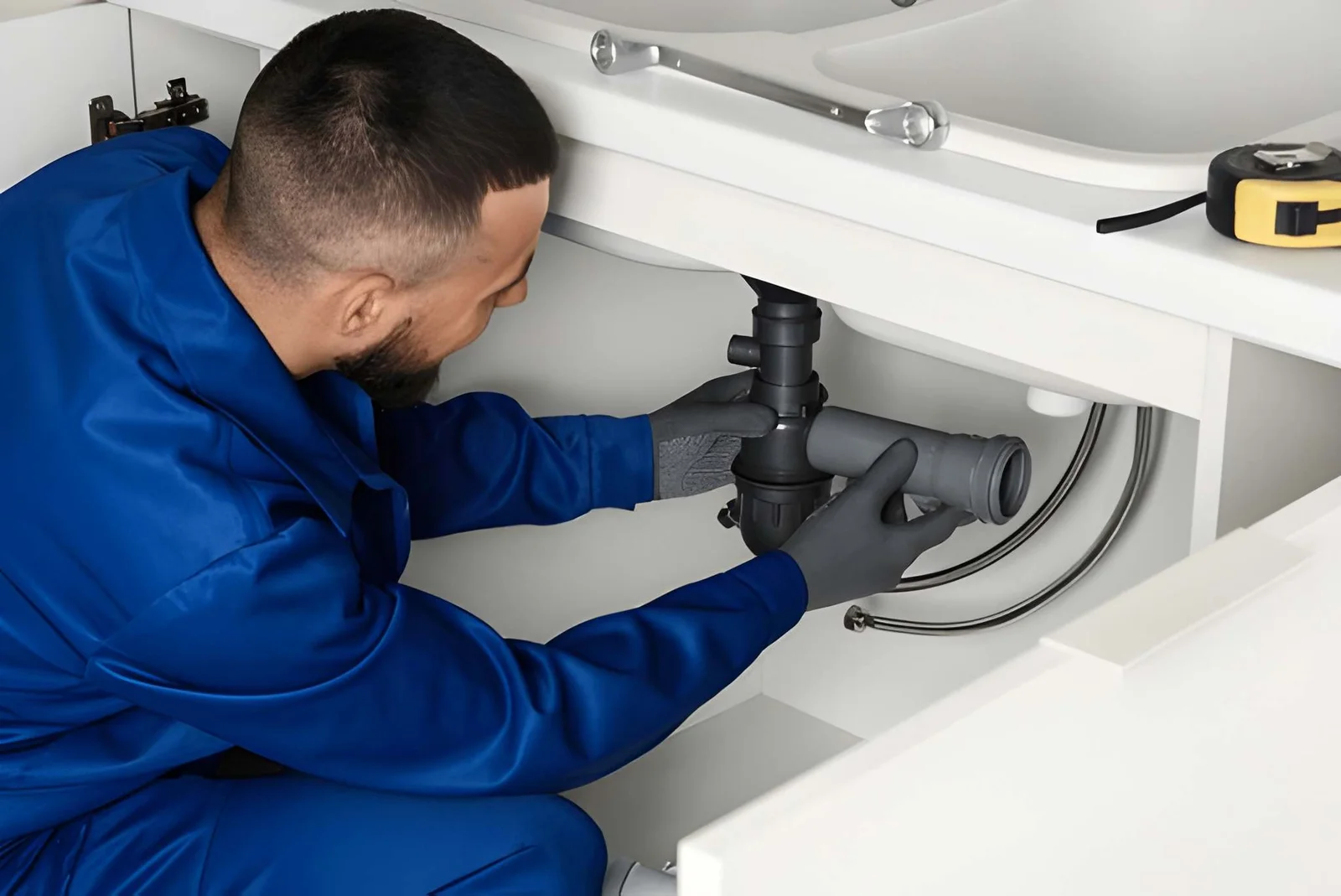
Plumbing is the one home system where a small mistake can turn into a flooded floor, and a small leak can quietly become a big repair. That is why the usual advice, “just call a plumber,” is not very useful, and neither is “watch a video and try.” If you are asking which plumbing problems you can fix yourself and which require a professional, the most helpful tool is a three-color triage: green for jobs you can do safely, yellow for jobs to diagnose first, and red for jobs to hand off.
One home-repair guide boils the dividing line down to a sentence: call a plumber when the work is behind a wall, on the gas or sewer line, tied to the water heater, or means cutting into pipe.
I have seen homeowners save a service call with a $15 part, and I have seen others pay far more to undo a repair that should have been red.
This article is general information, not plumbing or legal advice. Permits and licensing rules vary, and many sources here are plumbing companies, so treat their lists as guidance.
It covers a quick answer, a triage table, a first-30-seconds emergency plan, a permit note, mistakes to avoid, and a short FAQ.
Which plumbing problems can you fix yourself, and which require a professional?
You can usually fix clogs with a plunger, a worn toilet flapper, a dripping faucet, a clogged aerator, or a supply line you can shut off. Hire a professional for gas lines, sewer problems, water heater faults, burst pipes, whole-house low pressure, and any work that cuts into pipes or walls.
What is the triage?
| Color | Problem | What to do |
|---|---|---|
| Green | Worn flapper or fill valve | A $15 part and a 20-minute fix with the supply valve closed |
| Green | Single clog | DIY is fine for a plunger, a flapper, an aerator, or a supply line you can shut off |
| Green | Low pressure at one faucet | Cleaning faucet aerators may solve localized pressure problems |
| Yellow | Low pressure at several sinks | If an aerator does not fix it and several sinks are low, you could be looking at a cracked pipe |
| Yellow | Frozen pipe | Close the main shutoff, open a nearby faucet, and check whether it has burst before thawing |
| Yellow | Repeated clogs | Call if the blockage keeps returning despite repeated cleaning |
| Red | Multiple drains clogged | Or water backs up into other fixtures |
| Red | Sewer warning signs | Recurring clogs in multiple drains, foul odors, soggy lawn patches, or sewage backing up |
| Red | Water heater trouble | Water heaters can be electric or gas, so safety and permits are concerns |
| Red | Gas smell | Evacuate immediately and call a professional |
| Red | Whole-house low pressure | Low water pressure throughout the whole house |
| Red | Cutting into pipes or walls | Any work that involves cutting into pipes, gas lines, or walls |
What should you do in the first 30 seconds of a leak?
| Step | Action |
|---|---|
| 1 | Know where your main shutoff is, usually where the water line enters the house, such as a basement, crawl space, or utility room |
| 2 | Shut off the main water supply immediately |
| 3 | Turn off electricity if water is near outlets |
| 4 | Open faucets to relieve pressure and catch dripping water |
| 5 | Call a licensed plumber |
If you do only one thing from this article, find your main shutoff before you need it.
Do you need a permit?
Major projects such as bathroom remodels, moving existing plumbing, or adding a gas line require a permit in the Australian source I found. Rules differ by country, state, and city, so ask your local building office before starting.
What mistakes should you avoid?
- Cutting into a pipe without a plan. Shut off water first, and know what is on the other side.
- Ignoring a smell. Sewer gas and gas leaks are safety issues.
- Fixing the symptom. Repeat clogs and low pressure often have a deeper cause.
- Skipping the permit question. Unpermitted work can cause problems later.
Frequently asked questions
Is a dripping faucet urgent?
Not usually. It can wait a day or two, but a burst pipe or sewage backup cannot.
Can you replace a toilet yourself?
Many people do, but it involves supply lines and seals. Start with a flapper if you are new.
When should you call right away?
For gas smells, sewage backups, burst pipes, major leaks, and no water in the house.
Bottom line
Fix the green jobs, diagnose the yellow ones, and hand off the red ones. Know your main shutoff, avoid cutting into pipes or touching gas, and check permits before bigger projects.\
for more information visit https://tipsdrhomey.org/