
Taking care of a home is not simple work. It demands steady effort and smart habits. In my years of fixing, learning, and guiding others, I have seen the difference between a home that lasts and one that wears out fast.You will find drhomey handy tips that make everyday maintenance clearer and easier. These tips come In this article you will learn from hands on work and common problems I have solved many times. This is not theory. It is practical and honest help for people who live in their homes every day.
You will learn how to check key systems that often get ignored. You will learn how to tune up your home in ways that matter to your comfort and safety. Every homeowner in the United States who cares about their space will find something useful here. These are not quick tricks. They are practical habits that add up. By the time you finish reading, you will know how to save money on repairs and feel more confident in looking after your home.

Why Simple Habits Matter in Home Care
I have seen many homes where trouble started small and then became costly. A tiny leak can rot wood under a floor. A loose door can wear out its frame. These issues stay small only when someone catches them early. That is the mindset behind these tips drhomey use daily. Doing a little regularly keeps big repairs away. It also makes the home feel safer and more comfortable to live in.
Good home care is steady not rushed. It is the work you do before something becomes a problem. That is the difference between waiting for repairs and preventing them altogether. When you learn to notice patterns and act early, your home responds. Simple checks and small fixes build confidence over time. You notice things others would miss. You solve them before they grow.

How To Set Up a Home Check Routine
A home that feels good is one you pay attention to. Make it a habit to walk through your home once a month. Look at floors where water might pool. Touch walls near sinks and showers for softness that hints at hidden moisture. Turn on faucets and listen for strange sounds that suggest low pressure or leaks.
Keep a small notebook or app to jot down what you notice and add dates to each note. When you start seeing patterns, like frequent dripping or stains under appliances, it helps you know where to focus next. This simple habit is the foundation of the practical tips that interior design drhomey shares with others.
When you walk through your home this way you start to instinctively notice tiny changes. You notice the difference in how a floor feels after a rainstorm. You see when a window seal becomes weak. That early notice gives you the chance to fix it while the work remains small.

Check Your Water System Regularly
Water’s great—until it isn’t. It only takes a tiny leak hiding behind a wall to mess up wood, insulation, and just about anything nearby. The tricky part? You might not even notice it until the damage is done.
That’s why I like to do a quick check under the sinks and behind appliances about once a month. It takes maybe five minutes. Just look for small drips, water stains, or damp spots on the bottom of the cabinet. While you’re there, run your hand around the pipe connections. If something feels wet or extra cold, it could be condensation or a slow leak starting up.

Little check-ins like this can save you a lot of money and stress later. If you’re looking for more advice, check out handy tips dr homey and keep building smart habits that protect your home.
You should also know where your main shutoff valve is. If a pipe bursts while you are away this knowledge could save thousands of dollars in damage. Turn the valve once to make sure it moves. Rust often sticks valves in place so you want it ready in an emergency.
Part of these drhomey handy tips is to test faucets and toilets for leaks every time you do a thorough cleaning. A faucet that drips once every few seconds may seem small but over weeks it wastes gallons of water and adds to your bill.

Maintain Your Heating And Cooling Equipment
Your heating and cooling system works hard all year long. Changing filters regularly keeps it running smoothly and keeps air cleaner. I have walked into homes where filthy filters were blocking airflow and forcing systems to work harder. That shortens lifespan and increases energy use.
Pay attention to strange noises or weaker airflow. When these show up it means something needs adjustment before it becomes a bigger repair. If your system has a trouble indicator panel review it and check your owner manual.
Regular maintenance also means cleaning around outdoor units. Keep grass and debris away so air can move freely.

Keep Gutters Clean And Water Flowing
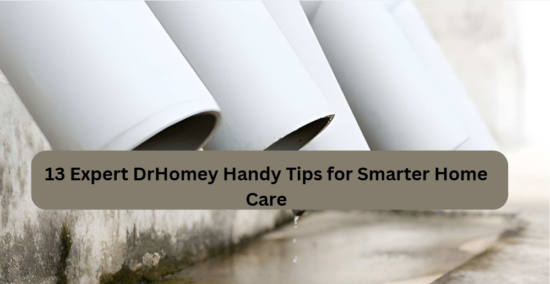
Water at the roof edge seems harmless but when it backs up it can hurt siding and foundations. Clean gutters at least twice a year. In my experience clogged gutters are one of the most overlooked home care issues. Leaves and debris gather and block downspouts so water pours where you do not want it.
When water finds its way under siding it can rot framing and cause mold. That is expensive to fix. You do not need special tools. A simple scoop and rinse will keep things flowing. It is one of the most valuable drhomey handy tips for long term building health.
Watch For Cracks In Walls And Floors
Cracks happen over time but they do not all mean disaster. Small hairline cracks on interior walls are common. Larger cracks near corners of windows, doors, or foundations need attention. Keep notes on how wide they look and check if they grow month to month.
For floors, check tile grout for breaks. Loose tiles can allow water below the surface. That leads to issues you do not see until it becomes serious. Acting on floor cracks early keeps your home solid and avoids costly flooring repairs.

Pay Attention To Doors And Windows
Doors and windows are often the first things you notice when they act up. Sticky doors, squeaky hinges, or drafts mean it is time to act. Tighten screws and add lubricant where needed. Weather stripping around doors and windows keeps drafts out and heat in during winter and cool air in summer.
Window seals that fail can fog up glass and let moisture in. When you see fog between panes it means the seal failed. Replace those windows or seals sooner rather than later. A well sealed home costs less to cool and heat because it keeps the indoor air where it belongs.

I have learned that exterior surfaces protect everything inside. Siding that cracks or paint that peels invites water and insects. Fixing these areas when they first show wear keeps pests and moisture out. That is a simple example of dr homey exterior design thinking in action.
Stone, brick, stucco, or wood siding all behave differently but they share one need. They need clean surfaces and good seals at edges. Inspect these surfaces at least quarterly. Tight gaps with the right sealant. Replace weathered materials before they fail.

Take Care Of Your Electrical System
Your electrical system is not visible but its behavior speaks volumes. When your lights flicker, breakers keep tripping, or an outlet feels warm, something isn’t right and should be checked. They are warnings you should not ignore.
Find a qualified electrician if you are not comfortable working around wires. But you can still do simple checks safely yourself. Make sure cords are not pinched behind furniture. Check that outlets are solid in their boxes. Loose outlets can spark and cause fire hazards.

Tackle Routine Cleaning With Purpose
Routine cleaning is more than aesthetics. Dust buildup on vents, fans, and electrical panels reduces airflow and invites dirt deep into systems.
Clean your range hood filter. Your home will feel cleaner, and your appliances will work more easily.

Focus On Outdoor Spaces
Your outdoor spaces also need steady attention. Check decks and patios for loose boards or railing that wobbles. Wood that contacts soil can rot faster. Keep wood lifted off soil and sealed against moisture.
Review your landscape drainage. Water should move away from foundations. If you notice pooling near the house adjust soil or add simple channels to redirect water. These actions keep water from undermining foundations over time.

Build A Maintenance Calendar You Use
Good intentions fail without a plan. Keep a calendar of tasks and dates. Write down when you last checked important systems. Set reminders on your phone or mark a paper calendar you look at often.
Routine work turns into habit when you track it. Repairs become smaller when you catch them early. That is the heart of these handy tips drhomey offers. Steady work adds up to a home that feels solid, safe, and lasting.

Why These Simple Habits Save You Money
When you take small actions regularly you reduce big repair bills later. A dripping pipe that goes unrepaired becomes a wall job. A broken gutter can rot fins on your roof over years. When you notice and act early those costs stay small.
Your home is a system. Everything connects. A problem in one area eventually affects another. These tips help you see connections early so you act while work is still small. That is real savings and real peace of mind.

Conclusion
Good home care is not dramatic. It is quiet work you do steadily. The main keyword drhomey handy tips in this article represents practices that experienced homeowners learn over time. These are not sudden fixes but habits that keep your home solid and comfortable. When you check systems regularly, fix small issues early, and pay attention to changes you build confidence in caring for your home.
You now have thirteen expert drhomey handy tips you can use right away. Put them into practice and your home will reward you with fewer problems and more comfort year after year.