
You don’t need complex plans or big budgets to make your home feel better. That is what handy tips drhomey stands for. These are simple moves you can do today that make life smoother.
Here are some practical actions you can take. You get ways to cut energy costs. You find cleaning tricks that use common items. You learn quick fixes. You get tips to keep your home safe and organized. You’ll also see when fixing things yourself makes sense—and when it does not.
These are not promises. They come from everyday experience. Whether you rent or own, these routines adapt to your place. By mixing drhomey handy tips into what you already do, your home will run better. That ease stays with you over time.
Energy Savings That Add Up
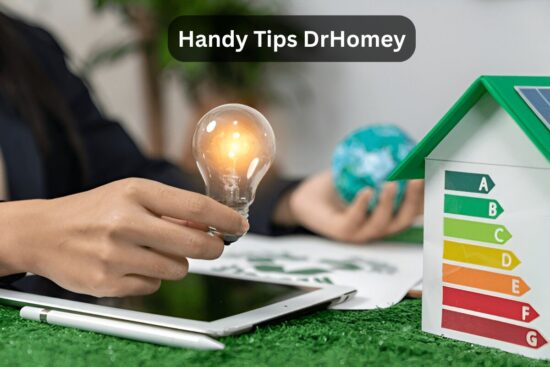
Electric bills stack up fast. You can ease that with a few habits. Each step saves a bit, and those bits add up.
Start with lighting. Swap a few old bulbs for LED versions. They last longer. They use much less energy. Each change cuts a bit off your bill.
Next, look for drafts. A crack under a door or by a window lets out heat or cool air. Roll a towel across that gap until you can seal it well. Weatherstripping and caulk are quite effective.
Try a smart thermostat if you can. It adjusts as routines shift. It keeps less heat or A/C on when you’re gone. A utility company might offer rebates for helping you install one.
Check air filters monthly. Clean filters let your system do its job with less effort. That helps with heating and cooling costs.
Let the sun’s light and warmth in when it’s free on cold days. Close curtains or blinds when heat builds up in summer. Small moves like these save quietly over time.
Each tip here is part of handy tips around the house that feel simple. Over weeks, they cut stress. Over months, they save money.
Cleaning Made Simple and Safe
You don’t need harsh products to clean well. Start with what you already have.
Clogged drains? Add half of the baking soda. Mix in half a cup of vinegar. Hold on. Flush with hot water. It often frees blockages without strong chemicals.
When a spot climbs up carpet, dampen a cloth and press with an iron on low. It lifts stains gently without ruining fabric.
Wood scratches? Try matching shoe polish. Rub lightly, buff with cloth, and watch the scuff fade.
These are useful tips drhandybility in action. They use common things and cut costs. They clean without overwhelming and keep things simple.
Organize with Ease
Clutter wears out your mind. Getting rid of it boosts how you function.
Group clothes by how you use them. Pick work clothes. Pick loungewear. You pick what fits with no fuss.
In the kitchen, keep items near where you use them. Keep cooking oils near the stove. Keep dishes near the dishwasher. It saves steps.
If your home feels crowded and you want to keep items safe without giving them up, using storage units Dartmouth can help you free up space while keeping your belongings secure and accessible.
Set up a quick‑grab shelf in the fridge. Ready snacks and lunch items go there. That cuts fridge‑time stress.
These are small Handy Tips DrHomey that make your days flow a bit smoother.
DIY Fixes You Can Handle
Some fixes don’t need a call-out. Try them if they feel safe and simple.
A leaky faucet? Turn off the water, remove the handle, swap the washer, and test. Easy, and you save water.
A noisy door hinge? A drop of oil and some swings shut the squeak fast.
A small hole in drywall? Patch with compound. Sand smooth. Paint lightly. Done.
These tips drhomey let you fix small problems fast. Routine checks help too. Small leaks are often hardened as a result of the time these have circulated under sinks and behind appliances, usually blowing up the cost of repair.
Safety That Stays Simple
Safety shouldn’t feel like a chore. It should feel natural.
Put a smoke alarm on every level. Check its battery now and then.
Anchor tall furniture. That protects anyone climbing near it.
Tuck loose blind cords out of reach. That keeps accidents from happening.
Place a carbon monoxide detector next to places where people sleep.
Cleaner Air, Less Mold
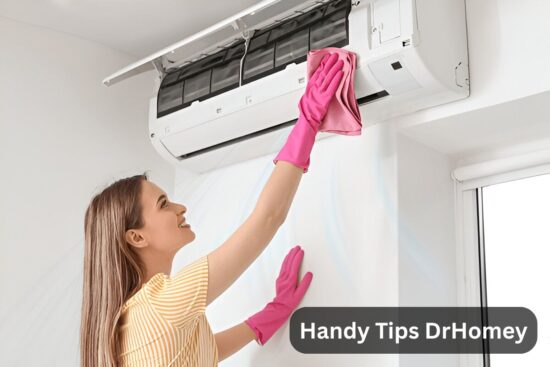
Air quality matters. You can improve it with small moves.
Crack a window for ten minutes daily. That pushes out stale air.
Run the fan in your bathroom during showers. It stops mold from forming.
Keep common houseplants like spider plants or peace lilies. They help filter air quietly.
Swap filters regularly for your vents. Dust and pollen stay out. Air stays fresh.
Pull furniture slightly away from cold walls. That helps air flow and prevents damp buildup.
Affordable Upgrades, Real Results
To observe significant improvement, you don’t need a large expense.
Spray‑wash your deck or driveway. It looks fresh for a few dollars.
Paint your front door in a bold, honest color. It adds personality without cost.
Pop solar lights near your path. They run on sun. They look clean and work without bills.
These handy tips drhomey add real charm with little outlay.
When to Call the Pros
Some things should be left to someone else. That’s smart, not a failure.
Electrical trouble? Strange wiring? Massive leaks? Let a pro handle them. That avoids mistakes and keeps you safe.
Not everything needs fixing at once. But when it feels complex or unsafe, reach out.
Build a Routine That Sticks
Pick a tip now. Swap one bulb. Seal one window. Then pick the next.
Set reminders each month. Change filters. Check for drafts. Refresh routines.
Small things add up. Soon your home runs smoother. You feel in control.
These Handy Tips DrHomey become habits you stop thinking about. That ease lasts.
A Real Way Forward
No hype. No big promises. Just honest moves that add up.
Small changes can change everything about how your home feels. Let Handy Tips DrHomey guide your pace. Let your home reflect real care, done well.
You can build on what works. You keep going. Your home keeps improving.
If you want ideas or to ask a question, Please get in touch.. You can contact drhomey com for more solid help. You’ve already built a real, reliable base.