
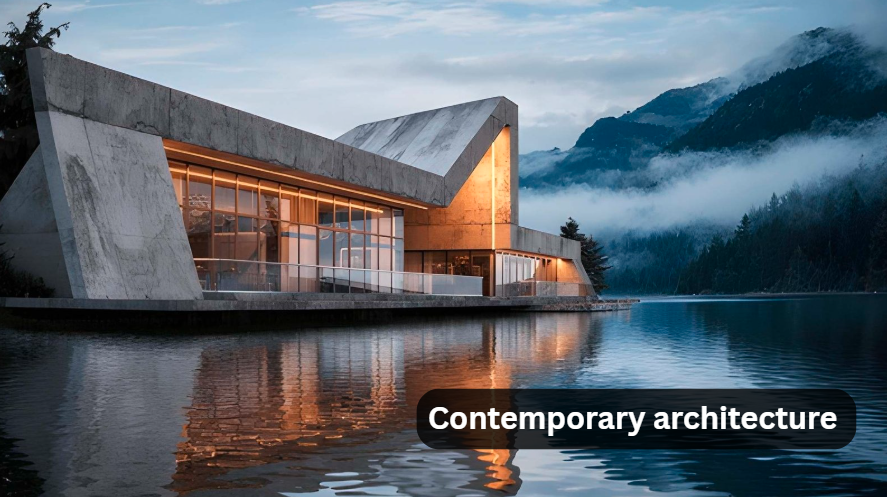
Contemporary architecture is not just about how buildings look.It is about how modern people live and what they require from their surroundings. In the United States, homes are changing fast. People want comfort, lower energy bills, and spaces that actually work for daily life.
This is where contemporary architecture comes in. It focuses on simple design, smart use of space, and better use of light and materials.Climate, technology, and evolving family requirements are among factors it considers.
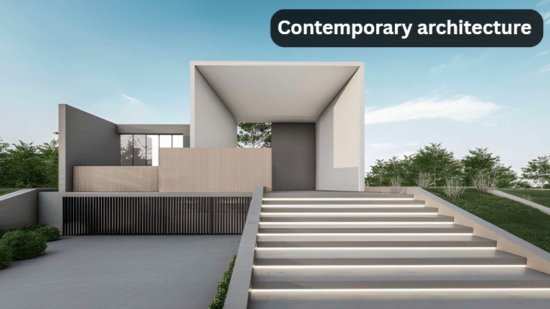
You can see these changes everywhere. New homes are more open. They use more glass. They connect indoor and outdoor areas. Even Exterior home design now focuses on both style and function instead of just appearance.
In this post, you will see 8 clear ways contemporary architecture is shaping the future. These are not abstract ideas. They are real changes that affect how people live every day.
1. The Basics of Modern Architectural Design
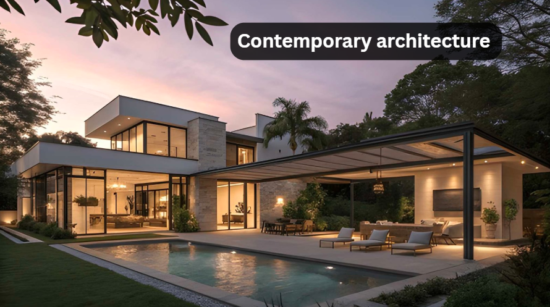
Contemporary building design means architecture of the present time. It is not tied to one fixed style. It changes as people and technology change.
In the past, homes followed strict rules. Rooms had clear purposes. Designs looked similar across neighborhoods. That is no longer the case.
Contemporary architecture borrows ideas from modern design but is more flexible. It does not stick to one look. Some homes are minimal. Others mix materials like wood, glass, and concrete in different ways.
In the United States, this style has grown because people want practical homes. They do not want wasted space or unnecessary decoration. They want homes that fit their routines.
You will notice this especially in Modern house design. Clean lines, open areas, and simple shapes are common. Style is not the only factor in these decisions. They facilitate living in households.
Another key point is adaptability. A home today might need to serve different purposes over time. A spare room might become a workspace. A living room might double as a study area. Contemporary architectural practices supports this kind of flexibility.
2.Sustainable Design in Contemporary Home Architecture
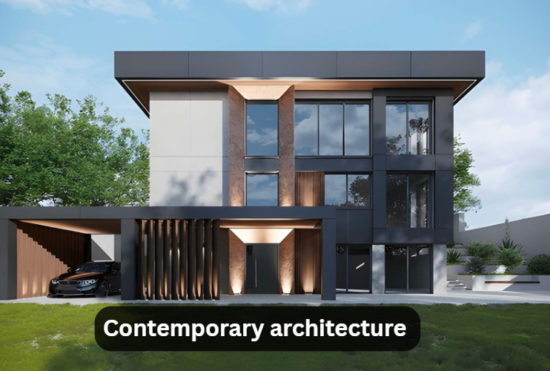
Sustainability is no longer optional. It is a big part of contemporary architecture.Many homeowners in the United States are trying to cut down on energy costs. At the same time, there is more awareness about environmental impact. This has changed how homes are built.
New houses often include better insulation and energy-efficient windows. These small changes make a big difference. They keep homes warmer in winter and cooler in summer.
Additionally, solar panels are growing in popularity. They lessen the need for conventional energy sources. Over time, they can lower electricity bills.
Materials matter too. Builders now use recycled or eco-friendly materials where possible. This reduces waste and supports long-term use.
You can also see this shift in House exterior styles. The outside of a home is now designed to support energy efficiency. Roof angles, window placement, and materials all play a role.
Another important idea is passive design.This means using natural light and airflow instead of just machines.For instance, the requirement for artificial illumination can be decreased by strategically situating windows.
Modern day structural design shows that sustainability can be practical.
3.Smart Technology in Contemporary Architectural Spaces
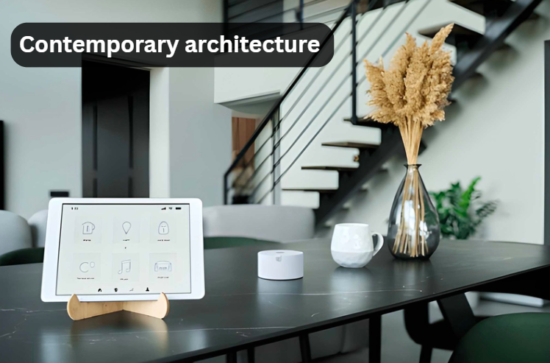
Technology is now part of everyday living, and contemporary structure design reflects that.
Homes today often include smart systems. These systems control lighting, temperature, and security. Instead of making life more difficult, they are intended to make it easier.
A smart thermostat can adjust the temperature based on your daily routine. When you leave a room, lights may automatically switch off.Security cameras can be checked from your phone.
These features save time and energy.
What is different now is that these systems are becoming normal. They are no longer limited to expensive homes. Even average houses include basic smart features.
Technology also helps during the design process. Architects use digital tools to plan buildings more accurately. This reduces mistakes and saves materials.
If someone is new to this, platforms like tips can help explain simple ways to bring smart features into a home without making things complicated.
Contemporary building styles uses technology in a practical way. The goal is comfort and efficiency, not showing off.
4.Open Floor Plans and Flexible Spaces
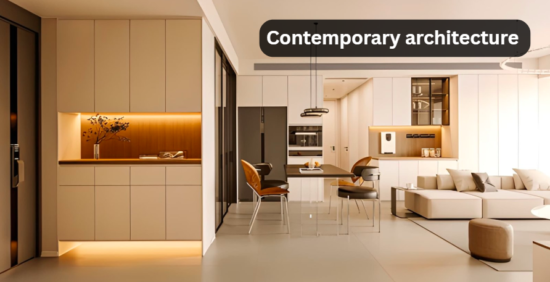
The trend toward open spaces is one of the most significant shifts in modern home designs.
Older homes had separate rooms for everything. Kitchens were closed off. Living rooms were formal. That layout does not match how people live today.
These days, open floor plans are typical. The dining room, living room, and kitchen are frequently connected. The room feels bigger and cozier as a result.
Families prefer this setup because it allows more interaction. Someone can cook while talking to others in the same space.
Flexibility is another key idea. Rooms are not fixed in their use. A dining table might also be used for work. A guest room might double as a home office.
This connects with many Home design ideas that focus on real life instead of strict rules.
Furniture also plays a role. Lightweight and movable pieces make it easier to change a space when needed.
Contemporary building styles removes unnecessary barriers. It creates homes that feel open and easy to adjust.
5.Natural Light and Indoor Outdoor Living
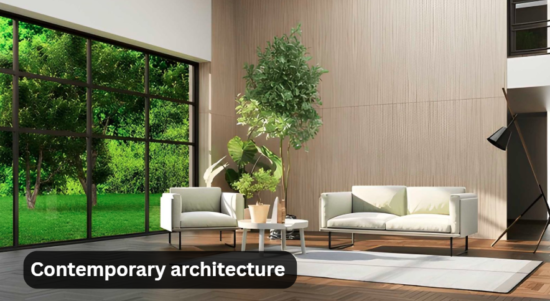
Natural light has become a priority in contemporary building design.Large windows are now a common feature. They let in more sunlight and make rooms feel open. This reduces the need for artificial lighting during the day.
Homes are also designed to connect with outdoor spaces. The transition between indoor and outdoor spaces is seamless thanks to sliding glass doors, patios, and decks.
This makes homes feel less closed in. It also encourages people to spend more time outdoors.
Natural light also affects mood. Bright spaces feel more comfortable and welcoming. This is one reason why this design approach has become so popular.
From an energy point of view, it also helps reduce electricity use. Less dependence on lights means lower bills.
Contemporary architectural styles focuses on creating spaces that feel natural. It brings the outside in without making things complicated.
6.Urban Living and Smarter Use of Space
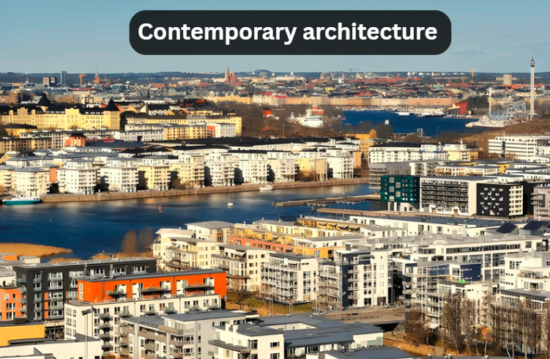
Cities in the United States are growing. Space is becoming limited, especially in urban areas.
Contemporary urban architecture addresses this by making better use of smaller spaces.
Apartments are designed with built-in storage. Furniture may have more than one function. For example, a bed might include storage underneath.
This helps keep spaces organized without making them feel crowded.
Buildings are also going vertical. Taller structures allow more people to live in the same area.
Shared spaces are another part of this trend. Rooftop areas, common lounges, and small parks are included in many developments.
These features improve daily life, even in busy cities.
Modern day architectural solutions shows that small spaces can still be comfortable. It is about smart design, not just size.
7. Culture and Identity in Modern Design
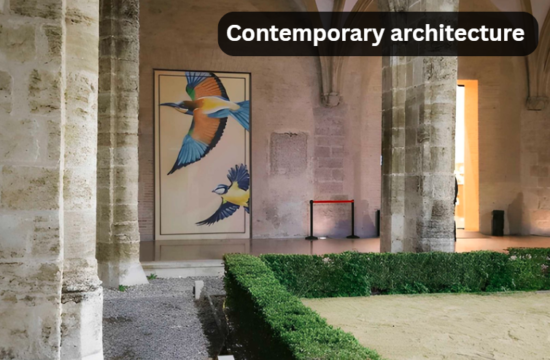
Even though contemporary structural design is modern, it does not ignore culture.In the United States, designs often reflect local influences. Materials, colors, and layouts can vary depending on the region.
This helps homes feel connected to their surroundings. At the same time, modern features are included for comfort and efficiency.
People want homes that feel personal. They do not want something that looks exactly like every other house.
Contemporary architectural work allows this mix. It combines global ideas with local character.
This balance is important. It keeps design from feeling generic.
8.Creativity and New Design Ideas

Modern construction methods provide for greater architectural flexibility.Architects are no longer restricted to simple shapes. They can experiment with various angles, shapes, and materials in novel ways.
This creates buildings that stand out. Some look very different from traditional homes.But creativity is not only about appearance. It also improves how a space works.
For example, a unique window design might bring in more light. An unusual layout might improve airflow.
New tools make this possible. Digital design software allows architects to test ideas before building them.
Contemporary architecture supports this kind of thinking. It encourages new solutions instead of repeating old ones.
9. Future Trends in Building Design
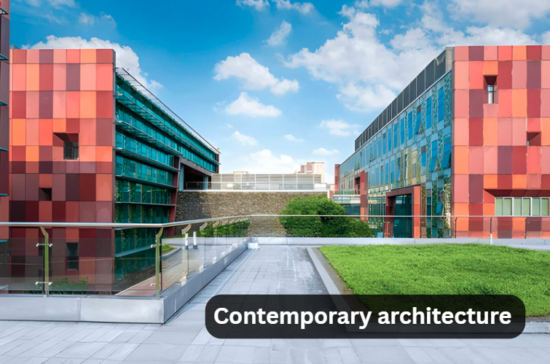
The future of modern day architecture will focus on making homes more efficient and easier to live in.
Energy use will continue to decrease. Homes will rely more on renewable energy.
Technology will become even more integrated. Systems may adjust automatically based on daily habits.
Affordability will also be important. More people want access to well-designed homes, not just luxury buyers.
Some homeowners already look for ways to manage costs through resources like discount code while planning improvements in their lifestyle and home setup.
Contemporary building evolution will keep changing as needs change. It will stay focused on real problems and practical solutions.
Conclusion
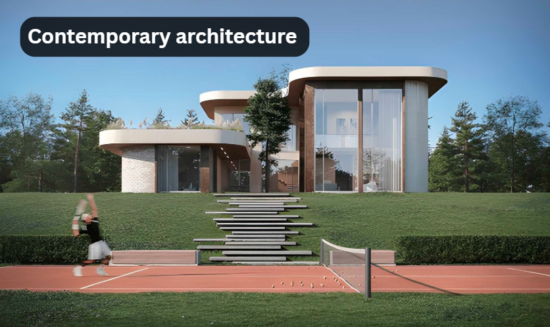
Architectural trends today are shaping the future in a simple but important way. They focus on how people really live in their homes and cities.
They make everyday life more comfortable, reduce energy use, and help use space in a smarter and more practical way.
They also give more room for flexible layouts and creative design choices..
These changes are not temporary. They are becoming standard in modern homes.
As life continues to change, contemporary building design will keep adapting. It will remain a key part of how people design and experience their living spaces.