
In modern architecture, one of the most consistent design goals is simple yet powerful: let in more natural light. As homes evolve to reflect the needs of contemporary living, architects and homeowners alike are placing greater value on light-filled interiors that feel open, bright, and energizing. This shift is not just aesthetic—it’s personal. As highlighted by the World Green Building Council, “On average, we spend more than 90% of our time indoors, where we do not get the right amount and quality of light to feel happy and healthy.” With so much of our lives taking place inside, natural light has become essential not only for how our homes look but how we feel inside them.
To meet this growing demand, many homeowners and designers are embracing curved windows—an architectural feature that brings a dynamic elegance to modern homes while maximizing the flow of daylight. These beautifully engineered structures do more than make a visual statement—they enhance how we experience natural light in our daily environments.
The Science Behind Natural Light and Its Benefits
Natural light does far more than illuminate a room—it supports physical health, mental wellbeing, and sustainable living. Here are three key benefits backed by science:
1. Boosts Mental and Emotional Health
Exposure to natural light has been linked to improved mood, reduced anxiety, and greater productivity. Bright, sunlit rooms can help regulate the body’s circadian rhythm, improving sleep quality and promoting alertness during the day. For people working from home or spending extended hours indoors, natural light can be a powerful tool for supporting mental wellness.
2. Improves Visual Comfort and Reduces Eye Strain
A study published in Building and Environment found that natural light not only reduces the need for artificial lighting, but also improves visual comfort, especially when daylight is evenly distributed in a space. Glare and harsh lighting contrasts—common with artificial lighting—are less frequent in naturally lit spaces, reducing eye strain and fatigue over time.
3. Lowers Energy Consumption
By maximizing natural light during daytime hours, homeowners can reduce reliance on artificial lighting and temperature regulation systems, leading to energy savings and lower utility bills. Sunlight can provide passive heat during cooler months, while smart window placement can help control solar gain in the summer.
Why Curved Windows Are Ideal for Letting in Natural Light
Curved windows are uniquely designed to capture light in ways that traditional flat windows cannot. Their sweeping, rounded surfaces can bend and distribute light across wider angles, allowing more sunlight to enter a space throughout the day. Unlike flat panes that only receive light from one direction, curved glass can follow the arc of the sun, pulling light into corners and interior spaces that might otherwise remain dim.
This multidirectional light capture enhances the diffusion of daylight, reducing sharp shadows and helping to brighten a room more evenly. Curved windows also support panoramic views, making interiors feel more connected to the outside world—a feature increasingly valued in biophilic and wellness-focused home design.
Why Curved Window Installation Requires Trained Artisans
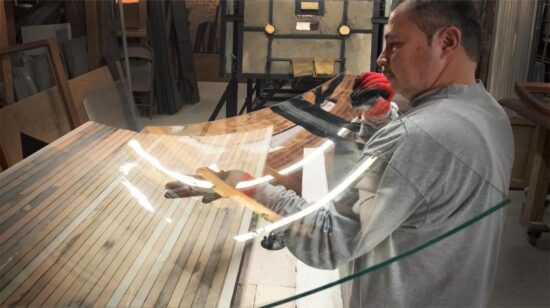
While the benefits of curved windows are clear, installing them properly is an advanced skill. As shown by the artisans at Flickinger Glassworks, the glass must be custom-shaped to match the architectural design of each building, often requiring precision molds and controlled heating processes to achieve the desired curvature without compromising strength. That’s why the best way to install curved windows is by working with trained artisans who specialize in custom glasswork. These professionals understand how to adapt the curvature, thickness, and frame design to the unique structure of a home, ensuring both functionality and visual harmony. Their expertise ensures the window not only performs optimally but becomes a seamless part of the architectural narrative.
3 Tips to Maximize Natural Light from Curved Windows
To truly unlock the light-enhancing potential of curved windows, here are a few expert strategies to consider:
1. Position Rooms to Catch Morning or Afternoon Sun
As explained in our post, Interior Design DrHomey Guide to Smarter U.S Living, arranging living spaces like kitchens, dining rooms, or home offices to face east or west allows you to take advantage of the sun’s natural trajectory. This fills your rooms with warm light in the morning or golden glow in the evening. Curved windows placed in these orientations can pull in more light throughout the day due to their broader range of exposure.
2. Use Reflective Surfaces and Light Colors
Pair curved windows with light-colored walls, ceilings, and floors to reflect sunlight deeper into your home. Surfaces like polished wood, mirrors, or matte white paint can help diffuse and amplify natural light, making rooms feel brighter and more spacious without additional energy use.
3. Keep Window Areas Unobstructed
To maximize daylight flow, avoid heavy drapes or large furniture pieces near curved windows. Opt for minimalist window treatments, such as sheer curtains or smart glass that adjusts opacity based on light levels. This helps maintain a clean visual flow and ensures that natural light can travel freely through your space.
Final Thoughts
As we spend more time indoors and become more conscious of how our spaces impact our health, the importance of natural light in modern home design continues to rise. Curved windows offer a uniquely elegant and effective solution, merging beauty with functionality in a way that flat glass cannot match. They allow homes to breathe with light, opening up spaces to the rhythm of the day and the warmth of the sun.
When designed thoughtfully and installed with expert care, curved windows can transform not only how a home looks—but how it feels to live in. In the age of wellness-driven design, they are more than a trend; they are a clear window into the future of smarter, healthier living. For more interior design tips do visit the rest of DrHomey.