
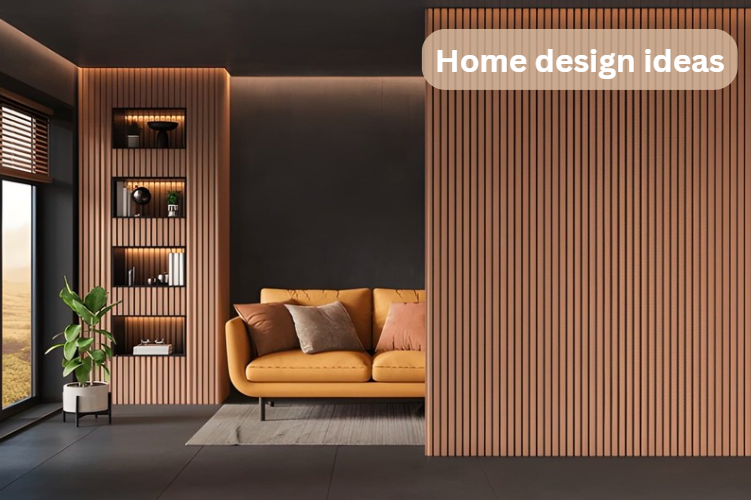
Most people do not really think about home design on a daily basis, but they experience it every single day. A room can either make life smoother or slowly add small frustrations without you even noticing.That is basically what house design concepts are about when everything else is taken out of the picture.. Not decoration, not trends, just how a space works when real life happens inside it.
In the United States, homes are becoming more flexible, and this shift is clearly reflected in modern home design ideas. People are no longer creating rooms for just one fixed purpose. A living room can double as a workspace, a kitchen can turn into a social hub, and even small corners are now expected to serve multiple functions.
Because of that, design is less about luxury and more about function. What matters is how easily you can move, clean, cook, rest, and focus in your space. It’s usually not a major issue when anything in a room feels strange. It is often a small design issue that builds up over time.
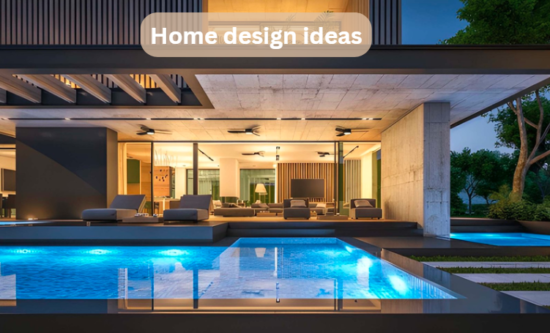
So instead of thinking in complex design rules, it helps to look at each room one by one.What is effective, what isn’t, and what might be made easier. That is where Home design ideas become practical instead of theoretical, which is also a key idea in Modern house design.
1.Living room
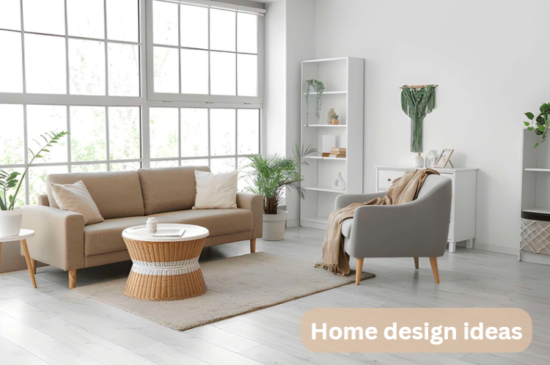
The living room usually carries the most pressure in a home. It is where people relax, talk, watch things, or sometimes just sit without doing much. Because of that, it easily becomes the most cluttered room if there is no clear thinking behind it.
One thing that makes a big difference is space. Not in terms of size, but in how it is used. If furniture is placed just to fill empty corners, the room starts feeling tight. A better approach is to allow open walking paths.You ought to be able to navigate the space without changing course every few steps. That alone changes how the space feels, something often considered in Exterior home design as well.
Another important part is furniture balance. Large heavy pieces can make the room feel smaller than it really is. Lighter and simpler seating arrangements often work better in modern homes. It also helps to avoid over-decorating.
Lighting is another quiet but powerful factor. During the day, daylight should be utilized as much as feasible. At night, instead of relying on one strong light source, it feels better to use a mix of softer lighting. This creates depth without making the room feel harsh.
Many Home design ideas for living rooms fail because they focus too much on appearance instead of how people actually sit, move, and spend time in the space. When function comes first, the look usually improves naturally.
2.Kitchen
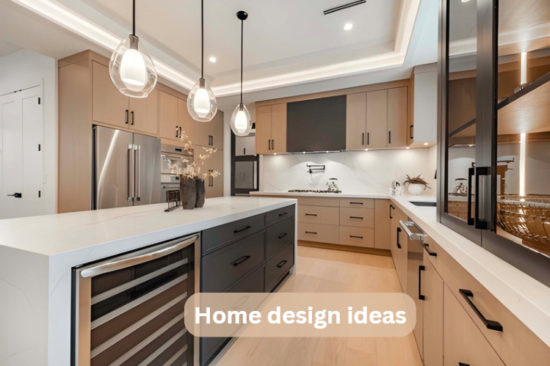
The kitchen is one of the busiest rooms in any home. Cooking is only one aspect of it. It has to do with flow, timing, and movement. When a kitchen is not designed well, even simple tasks start feeling tiring.
A practical kitchen always starts with accessibility. The things you use every day should not require effort to reach. If cooking feels like a search process, the layout is not working properly. That is why placement matters more than decoration, something often shared in handy tips
Counter space is often underestimated. People focus on cabinets and finishes, but what really matters is having enough clear working area. Even a small empty surface can make cooking feel smoother and less rushed.
Storage should follow habits instead of aesthetics. Items that are used often should stay within easy reach.Items that are not used often might be kept deeper or higher. This keeps the working area clear and functional.
Many modern American homes are moving toward open kitchens. This connects the kitchen with the living or dining area, making the home feel more social. It also allows whoever is cooking to stay part of conversations happening nearby.
Good Home design ideas for kitchens are not about adding more features. They are about removing small barriers that slow things down.
3.Bedroom
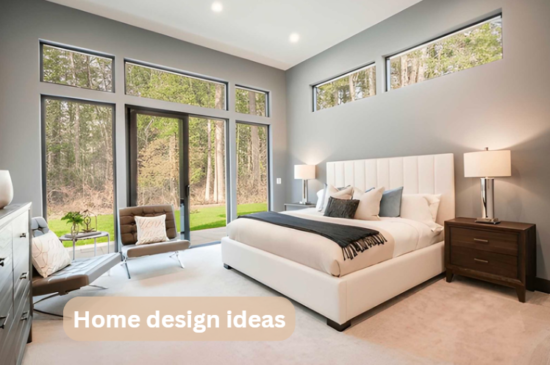
A bedroom should feel like the slowest room in the house. If it feels busy or visually heavy, it becomes harder to rest properly.
The biggest mistake people make in bedrooms is adding too much. Extra furniture, too many decorations, or bright colors can all create unnecessary stimulation. A bedroom works best when it feels light and calm, something often mentioned in advice on designing.
Keeping the space simple helps more than most people realize.The bed should be the focal point rather than one of several conflicting components. Everything else should support rest, not distract from it.
Lighting is especially important here. Strong overhead lighting can feel too sharp in the evening. Softer lighting creates a more natural transition toward sleep.
Storage in bedrooms should not dominate the space. Built in storage or simple wardrobes work better than bulky furniture. The goal is to keep the room visually quiet.
Some design ideas also focus on removing unnecessary electronics from bedrooms. This is not about rules. It is about reducing mental activity in a space that is meant for recovery.
4.Bathroom
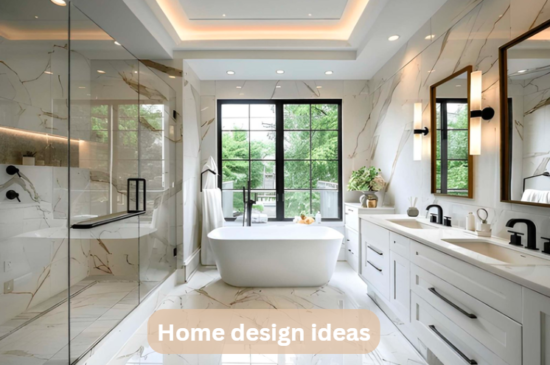
Despite their tiny size, bathrooms have a significant impact on the overall atmosphere of a house. A messy or poorly planned bathroom creates stress even if everything else in the house is fine.
The most important part of bathroom design is ease of cleaning. If surfaces are difficult to maintain, the space quickly feels uncomfortable. That is why simple materials and clean layouts often work best.
Keeping items off the floor is another practical improvement. Wall mounted storage or floating fixtures make the room feel more open and also easier to clean.
Ventilation is something people ignore until problems appear. A bathroom that does not stay dry becomes harder to maintain over time. Good airflow keeps the space fresher and more stable.
Lighting should be practical first. You need enough visibility for daily tasks, but not harsh brightness that makes the room feel uncomfortable.
5.Home office
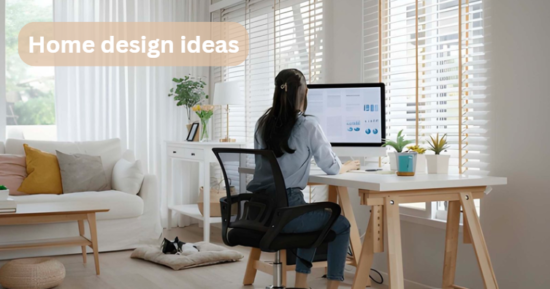
A home office does not need to look impressive. It just needs to support focus for long periods of time.
The placement of the desk matters more than most people think. A spot near natural light usually feels better during the day. It reduces eye strain and helps maintain energy.
A clean surface helps reduce distraction. The more items on the desk, the more your attention keeps shifting. Keeping only what is necessary creates mental clarity.
Comfort is also important, especially for long working hours.
Many Home design for workspaces fail because they try to make the space look like a corporate office. In reality, a home office should feel simple and personal, not formal.
6.Dining area
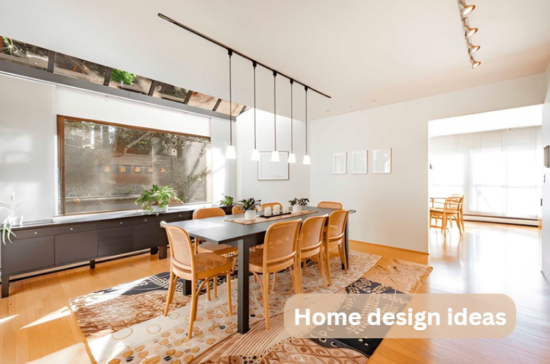
A dining area is less about design complexity and more about rhythm. It is where people pause during the day and share meals.
The table should match the room size properly. If it is too large, it reduces movement space. If it is too small, it loses its function. Balance matters more than style.
Without the need for additional adornment, lighting above the table aids in defining the space. It creates focus and makes the space feel intentional.
7.Entry area
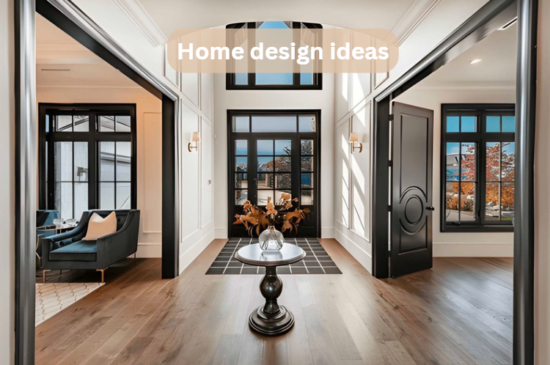
The entry area is often overlooked, but it controls how the rest of the home feels. If it becomes cluttered, that clutter slowly spreads into other rooms.
A simple storage solution for daily items like shoes, keys, and bags makes a big difference. It keeps the rest of the home cleaner without extra effort.
This is one of those Home design that looks small but changes daily behavior.
8.Storage
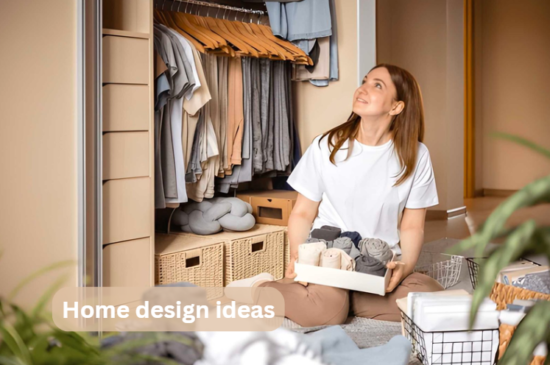
Storage is not about having more space. It is about using space better.
Vertical storage is often the most effective improvement.The real goal is not perfection. It is clarity. When everything has a place that makes sense in daily life, the home naturally feels more organized.
9.Kids room
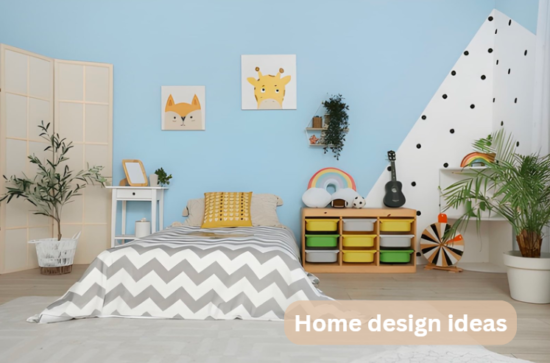
A kids room should be flexible instead of fixed. Children change quickly, so the room should be able to adapt.
Simple furniture works better than complex setups. It gives space for both play and rest without feeling restrictive.
Safety matters, but so does freedom of movement. The room should support both activity and calm time.
10.Outdoor space
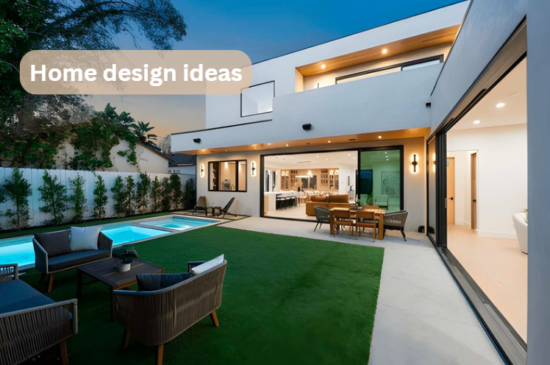
Outdoor spaces don’t have to be big to be useful. Even a small balcony can feel comfortable if you plan it well. Keep things open, use soft lighting, and add simple seating.It has nothing to do with décor. It has to do with how practical the area is.
11.Flexible rooms
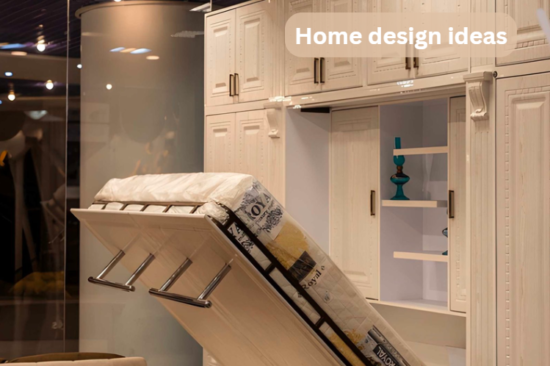
Modern homes often need rooms that change function. A guest room might also be used for work or storage.
Conclusion
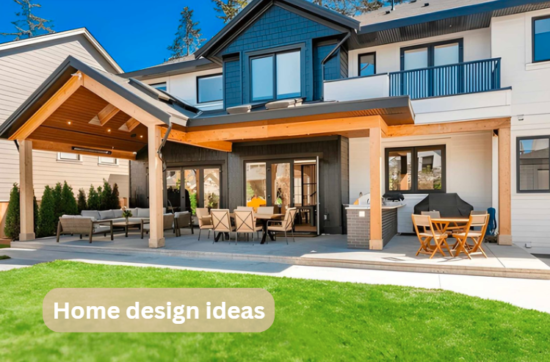
A well-designed house doesn’t have to be expensive or difficult. It involves recognizing your lifestyle and modifying settings to reflect it.When Home design ideas are applied in a simple and practical way, every room starts to feel easier to use. Over time, these small changes build a home that feels more natural, more comfortable, and more aligned with everyday life, a point often explained in comprehensive guides