
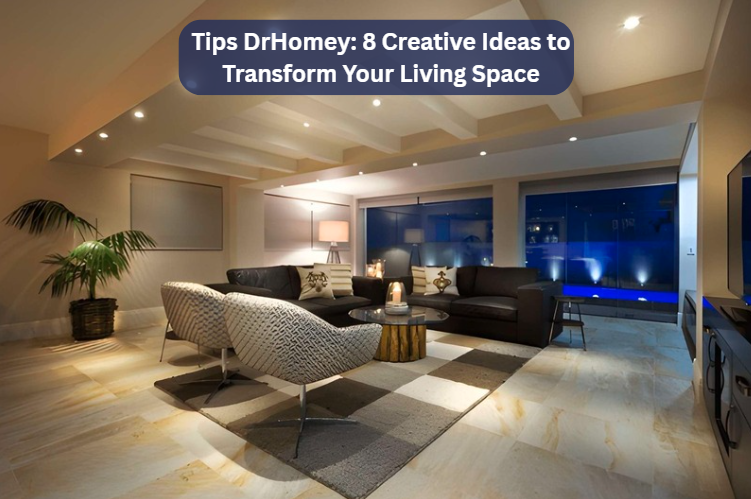
Living in a home that feels both comfortable and functional can make daily life easier. You don’t need a huge budget or major renovation to improve how your space works and feels. The right tips drhomey can help you see possibilities in corners you might have overlooked. Most people don’t think much about their living space until something feels off. A few smart changes can make rooms feel bigger, more organized, and more welcoming. Some ideas focus on how light moves in a room. Others look at clever ways to use furniture and storage. The goal is not to follow every trend but to make your space work better for the life you live.
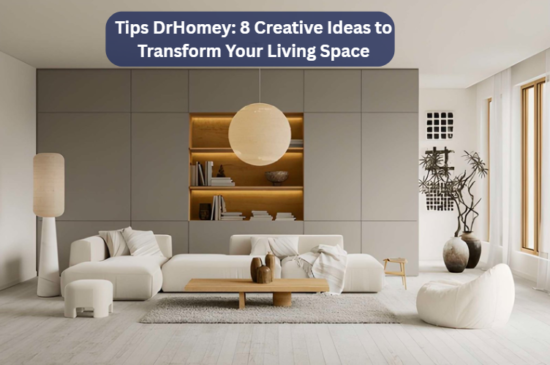
In this post you will find eight creative ways to transform your living space based on simple, practical principles. You will also find real‑world examples and guidance that match how people in the United States live and use their homes. These suggestions combine design sense with everyday usefulness and avoid overhyped language or unrealistic promises. Using tips drhomey throughout, you will learn how small changes can bring clarity, ease, and smart use of space into your home. For more ideas, check drhomey handy tips for practical guidance.
1.Use Color and Texture to Change the Mood
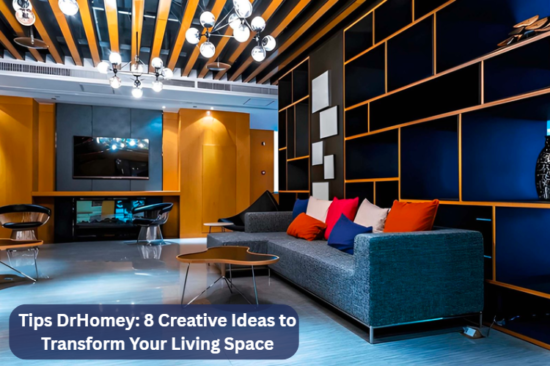
Tips drhomey show that walls, rugs, and fabrics affect how a room feels more than most people realize. Light neutral walls can make a space feel larger and brighter. Textured materials like woven rugs or layered textiles add warmth without clutter. Changing a wall color or adding a textured throw does not take much time or money, but it can make the space feel intentional and cared for. In living areas, a consistent color scheme makes areas flow better from one to the next. Soft contrasts are more relaxing than sharp or clashing tones. A cohesive palette can tie furniture, art, and floors into one unified feel that makes the room easier to settle into.
Creative texture also comes from the materials you choose. Adding natural wood, matte ceramics, or soft textiles helps make a room feel layered and settled rather than flat and stark. Light tones reflect daylight and make even small rooms feel airier. A simple change, like covering a sofa with a textured fabric or switching out curtains, can change how you sense a space without major work. Handy tips dr homey can give you simple ways to combine color and texture effectively.
2.Rearrange Furniture for Function and Flow

Tips drhomey suggest that how furniture is arranged can change how a room works without buying anything new. Instead of pushing everything against walls, try grouping pieces to define zones for conversation, work, or reading. In a living room, placing seating so people face each other feels more natural than lining everything up toward one wall or TV. Designers point to this simple action as a major boost for comfort and usability. Good layouts also allow clear walkways so moving around the room feels easy and intuitive.
Another practical trick is to angle furniture slightly or float a piece in the middle of the room. This creates space and makes traffic patterns feel smoother. For tight spaces, multifunctional furniture helps. Pieces like storage ottomans or benches with hidden compartments pull double duty and make the best use of what you already own. Handy tips drhomey often suggest using what you already have creatively.
3.Add Layers of Lighting

Tips drhomey explain that lighting changes perception more than almost anything else. A single overhead light often leaves rooms feeling flat or harsh. Instead, use layers: general light for the whole room, task lights near areas where you read or work, and accent lights to highlight art or cozy corners. Lamps with soft bulbs create warmth in the evenings. A mix of sources helps you use the same room for different moods without stress.
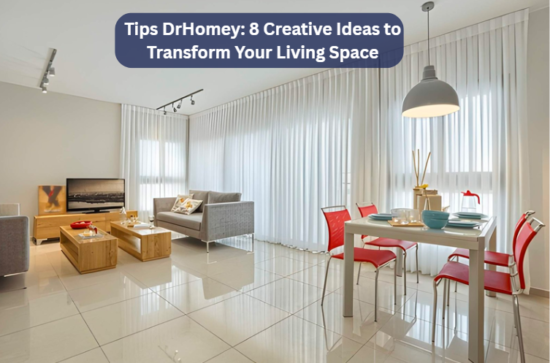
Natural light matters too. Keep windows clean and unobstructed. Sheer curtains let daylight in while still shielding from glare. Light from windows carries deeper into a room when walls and furniture are kept in lighter tones. Strategic mirror placement opposite windows makes this effect stronger. Drhomey advice on designing often emphasizes lighting as a simple way to transform a room.
4.Create Clever Storage Solutions
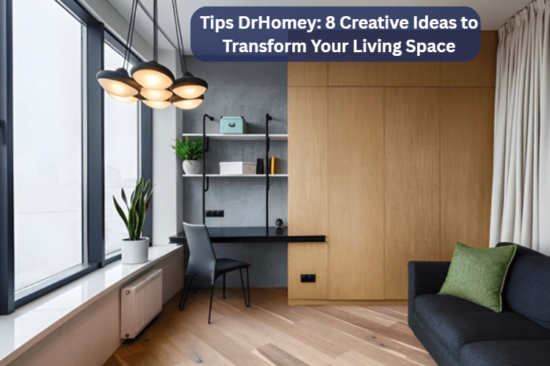
Tips drhomey show that clutter makes any space feel smaller and more stressful, while smart storage does the opposite. You can add shelves to vertical walls to keep floors open, or use furniture that hides belongings so daily items are easy to grab but tidy when not in use. Wall‑mounted shelves free up floor space and give you room for books, plants, and meaningful objects without crowding the area.
Think about what you use daily and what you can stow away. Modular storage systems adapt as your needs change, and baskets or bins can keep smaller items from scattering. When everything has a place, rooms feel calm and clean because there is less visual chaos. Interior design drhomey offers practical ways to keep storage both functional and stylish.
5.Define Zones for Different Activities
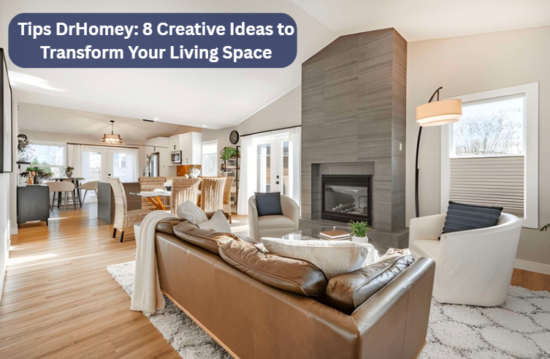
If your living space needs to serve more than one purpose, it helps to define functional areas. Whether it is a small workspace, a reading nook, or an entertainment zone, clear zones give the mind cues about how to act in each part of the room. Rugs and furniture arrangements can mark these areas without building walls. Even small apartments benefit from this approach.
Work zones near natural light are easier to use during the day, and a separate place to relax helps keep tasks and rest distinct. This simple distinction improves how you live in the same room without making it feel jumbled.
6.Bring in Natural Elements
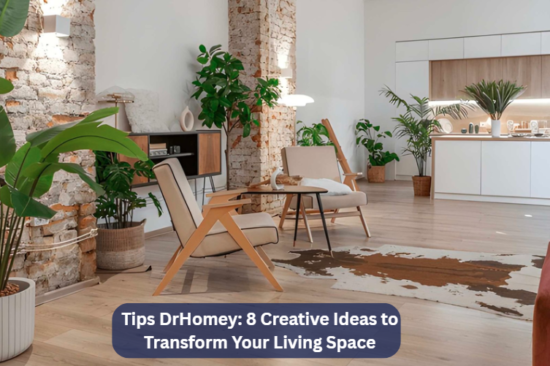
Tips drhomey suggest that adding plants or natural materials can ground a room. Greenery softens corners and improves air quality without much effort. Wood and stone elements give texture and warmth that artificial materials struggle to match. Even a small cluster of potted plants on a shelf or coffee table gives a sense of life to a space. Materials that age gently also add character over time.
Plants don’t need fancy care or expert skills. Choose resilient varieties that match your light conditions, and keep care routines simple. A few well‑placed plants often make a room feel alive in a way furniture alone cannot.
7.Customize Storage and Functional Pieces
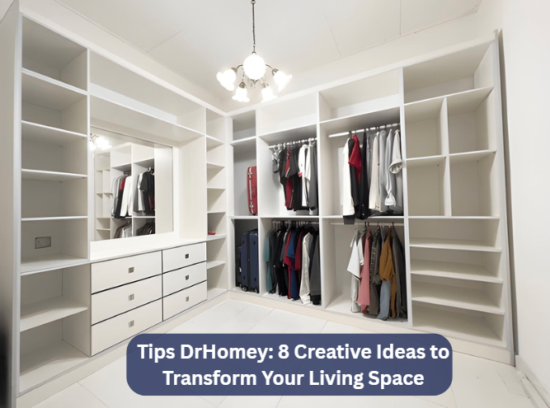
People often buy storage units that are too big or too small for a space. Customizing storage makes every square foot count. Shelves that reach closer to the ceiling use vertical space that often goes unused. Corner shelves put usually wasted areas to work. Whatever fits your style, the goal is the same: keep things accessible and out of the way so the space feels open and organized.
You might notice that after a bit of sorting and placing, everyday chores feel quicker and less distracting. Clever storage doesn’t have to look industrial or sterile. With thoughtful arrangement and objects you like, it can feel personal a stable backdrop for how you live.
8.Think About Exterior and Interior Design Together
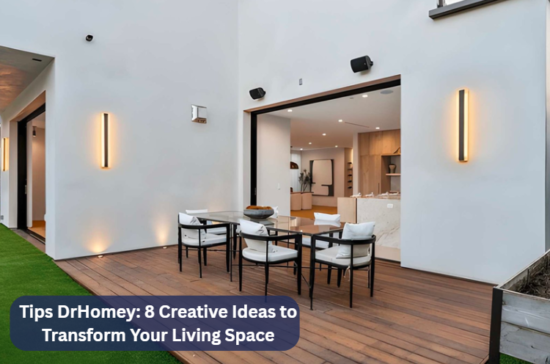
Living space does not stop at interior walls. The way a home looks and feels outside affects how you experience it indoors. A simple porch refresh or clean front steps improves curb appeal and gives a sense of order that follows into the living spaces beyond. Paying attention to dr homey exterior design ideas ties your indoor improvements to the whole property, making the home feel connected and intentional. This sense of harmony matters.
Good design balances what you see outside with what happens inside. If outdoor areas are calm and welcoming, they set a tone you carry into interior planning.
Practical Everyday Care and Maintenance

A home works best when it’s cared for every dayDoing small, everyday tasks keeps your home running well and makes it feel more comfortable to live in. Tips for regular upkeep like checking weatherstripping around doors or inspecting shelves before seasons change reduce surprises and help your space stay useful. Some of these come from comprehensive guides drhomey, and they focus on small habits with big impact. Keep up with little things around the house. Wipe stuff, check shelves, fix things when they break. It just makes life easier, and your home stays in better shape. For more guidance, visit contact drhomey com or dr homey .com.
Conclusion
Making your home nicer doesn’t have to be complicated or cost a lot. Take a few of the tips drhomey that make sense for your space and start there. Even small changes moving furniture around, adding a lamp, or clearing a corner can make your place feel more open and easier to live in.
Don’t worry about doing everything perfectly. Focus on what helps you day to day. When your home works for you, it stops feeling like work and starts feeling like home.