
Designing a home sounds simple until you actually start. You move a sofa and it blocks the walkway. You pick a color and it looks different at night. Small choices turn into daily problems. That is where drhomey advice on designing helps.
The idea is not to chase trends. It is to build a home that works for real life. A space should feel easy to use. It should support your routine. It should not slow you down. Many people in the United States deal with busy schedules, limited space, and rising costs. So design needs to be practical first
This guide breaks things down into clear methods. Each one comes from real design practices used in homes, not just showrooms. You will see how layout, light, color, and storage all connect. You will also learn how to avoid common mistakes that waste time and money.
By the end, you will understand how to apply drhomey advice on designing in a simple way that fits your daily life.
Method 1 Focus on How You Use the Space
The first rule of drhomey advice on designing is simple. Start with your daily life.
Think about what actually happens in the room. A living room is not just for looks. It may be used for watching TV, working on a laptop, or spending time with family. Each use changes the layout.
Many top design guides show that people who plan around real habits are more satisfied with their homes. dr homey .com also focuses on this idea by encouraging people to define clear room goals before buying anything.
A good approach is to set one main purpose for each room. Keep it clear. If a space has too many roles, it often feels messy.
For example, in small apartments across the US, people often combine living and dining areas. The smart move is to separate zones using rugs or furniture placement. This keeps the space organized without adding walls.
A useful tip from tips drhomey is to test your routine in the room before finalizing design. Sit, walk, and move around. Notice what feels off.
This method helps avoid one common mistake. Designing for appearance instead of function.
When you follow drhomey advice on designing, the space should make your life easier, not harder.
Method 2 Plan Layout Before Buying Furniture
Layout comes before shopping. That is a core part of drhomey advice on designing.
Many people buy furniture first and then try to fit it in. That often leads to tight spaces and blocked pathways. Research from home design sites shows that poor layout is one of the biggest causes of discomfort in homes.
Start by measuring your room. Mark doors, windows, and outlets. Then map walking paths. A clear path of about three feet works well in most homes.
A helpful trick from drhomey handy tips is to use tape on the floor to outline furniture. This gives a real sense of space before spending money.
Open floor designs are typical in homes in the United States. Without planning, these spaces can feel empty or awkward. The solution is to create zones. Place large furniture first. Then fill gaps carefully.
This method reduces waste. It also prevents returns and extra costs.Good layout is not about filling space. It is about leaving enough space.
That is the kind of thinking behind drhomey advice on designing.
Method 3 Create Clear Movement Flow
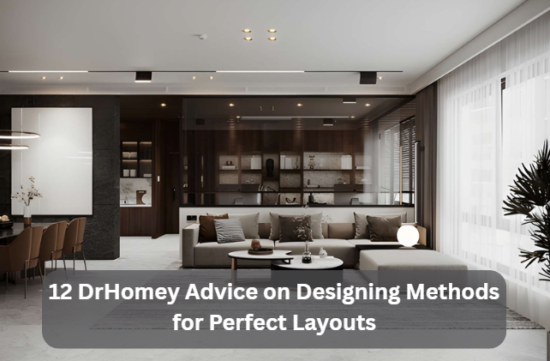
Flow is how people move through a space. It is often ignored, but it matters a lot.
According to design experts, homes with clear movement paths feel larger and calmer. This is a key part of drhomey advice on designing.
Walk through your home and notice where you turn, stop, or bump into things. These small interruptions build frustration over time.
A simple fix is to keep main pathways open. Avoid placing furniture where people naturally walk.
For example, in many American homes, the path from the front door to the living room is used often. Blocking that path makes the home feel cramped.
The concept behind drhomey advice on designing is to respect natural movement. Do not force people to adjust to furniture. Adjust furniture to people.
Another helpful idea comes from drhextreriorly exterior design by drhomey which also applies flow to outdoor areas. Paths, patios, and entryways should feel easy to walk through.
Flow improves comfort without adding cost. That makes it one of the most practical design methods.
Method 4 Use Light to Shape the Room
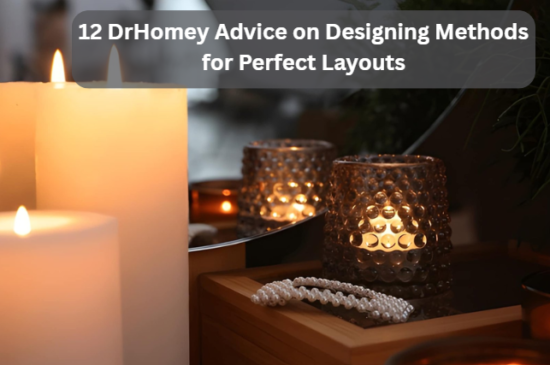
Lighting changes everything. It affects mood, visibility, and comfort.Many homes rely on one ceiling light. That creates harsh shadows. Drhomey advice on designing suggests using layers of light instead.
There are three basic types. General light for the whole room. Task light for work areas. Soft light for mood.
For example, kitchens in US homes often benefit from under cabinet lighting. It makes cooking easier and safer.
A useful tip from handy tips around the house drhandybility is to place lights where tasks happen, not just where wiring exists.
Also pay attention to bulb color. Warm light works better in living areas. Cooler light fits workspaces.
Lighting should support how you live. That is a core idea in drhomey advice on designing.
Method 5 Choose Colors That Support the Space
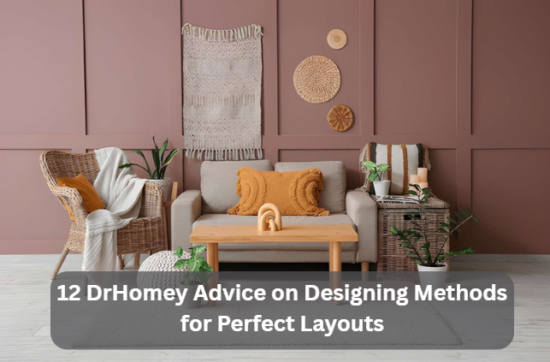
Color is not just about style. It affects how a room feels.Light colors can make small spaces look bigger. Large spaces might feel cozier when dark colors are used. This balance is part of drhomey advice on designing.
Research shows that neutral color schemes remain popular in US homes because they are flexible.
A smart approach is to keep walls simple and add color through items like rugs or pillows.
The 60 30 10 rule is often used in design. One main color, one secondary color, and one accent. This keeps the space balanced.
Another tip is to test colors at different times of day. Natural light changes how paint looks.
Following drhomey advice on designing helps avoid costly repainting.Color should support the layout, not fight it.
Method 6 Build Storage Into the Design
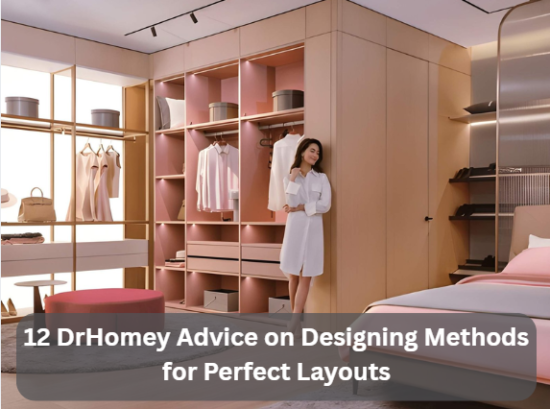
One of the main issues in contemporary homes is clutter. Instead than adding storage after the fact, it should be planned in advance. This is a key part of drhomey advice on designing.
Homes with good storage feel calm and organized.
Make use of multipurpose furniture. Storage beds, coffee tables with drawers, and wall shelves help save space. The concept of drhparenting parenting advice from drhomey highlights how organized spaces support better routines for kids.
Closed storage works best for everyday items. Open shelves should be limited to a few decorative pieces.
Good storage design makes cleaning easier. It also keeps rooms looking clean without effort.
That is practical design. That is drhomey advice on designing.
Method 7 Pick Furniture That Fits the Room
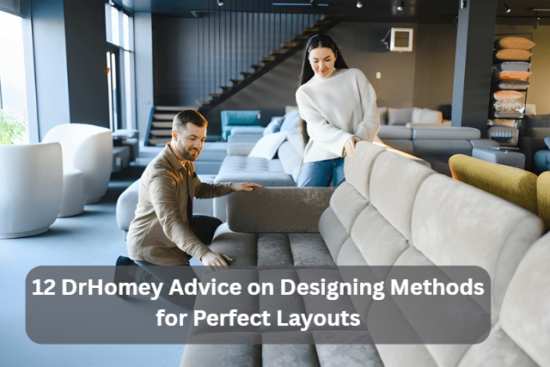
Furniture size matters more than style.Oversized furniture makes rooms feel tight. Small furniture in large rooms feels lost. Finding the right balance is part of drhomey advice on designing.
Many US homes now mix large and small spaces. So furniture should match the room, not trends.
Measure before buying. Always.
A useful approach is to start with one main piece. Then build around it. This keeps the layout balanced.Also choose furniture that supports comfort. A good sofa is more important than decorative items.
Some guides also suggest looking for deals like drhomey discount code for drhparentingcourse, which shows how planning can save money across home and lifestyle needs.
Furniture should serve a purpose first. Looks come second.
Method 8 Keep Design Simple and Clean
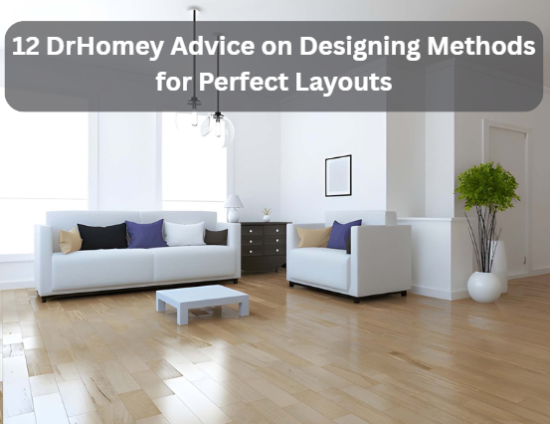
Simple design works better over time.Too many items create noise. Clean spaces feel calm. This idea appears across many design studies and aligns with drhomey advice on designing.
Empty does not equate to minimal. It means intentional.Use fewer items but choose them carefully. Keep surfaces clear. Leave space between furniture.
In many US homes, open layouts benefit from this approach. It prevents the space from feeling crowded.
A key insight from modern design is that empty space is useful.It facilitates eye relaxation.
This is among the simplest techniques to use. Remove what you do not need.Simple design lasts longer.
Method 9 Add Personal Elements Carefully
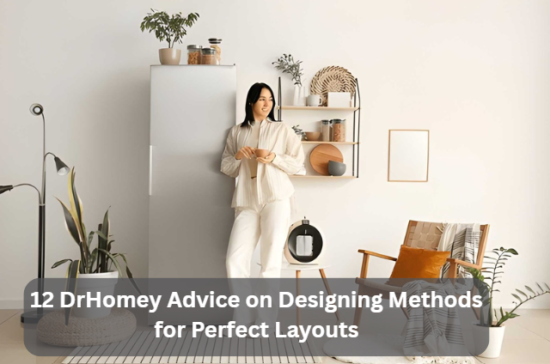
A home should reflect the people living in it.Photos, artwork, and personal items bring meaning. But too many can create clutter.The goal of drhomey advice on designing is balance.
Choose a few items that matter. Display them well. Avoid spreading small items everywhere.Group objects together to create a stronger visual impact.
This method works well in family homes. It also supports emotional comfort.Personal design should feel natural, not forced.
Method 10 Design for Long Term Use
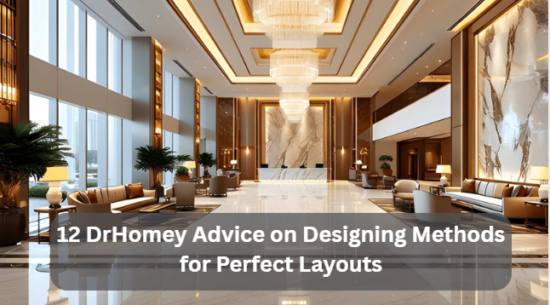
Trends change fast. Good design lasts.This is a major focus of drhomey advice on designing.
Choose materials that hold up over time. Think about daily wear.
For example, durable flooring works better in busy households. Washable fabrics are useful in homes with kids.Research shows that investing in quality items reduces long term costs.
Design should not need constant fixing.That is how you save both time and money.
Method 11 Connect Indoor and Outdoor Spaces
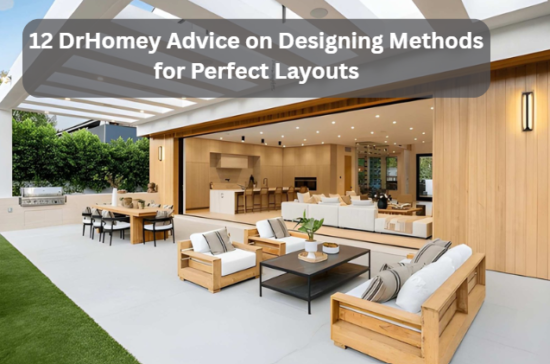
Outdoor areas matter more now than before.Many US homeowners use patios, decks, and yards as part of daily living. This connects with dr homey exterior design principles.
Maintain the same aesthetic in both indoor and outdoor areas. Use similar colors or materials.
Add simple seating and lighting outside.Make it simple to utilize.It should seem as though outdoor design is an extension of the house.
This improves both comfort and property value.
Method 12 Test and Adjust Over Time
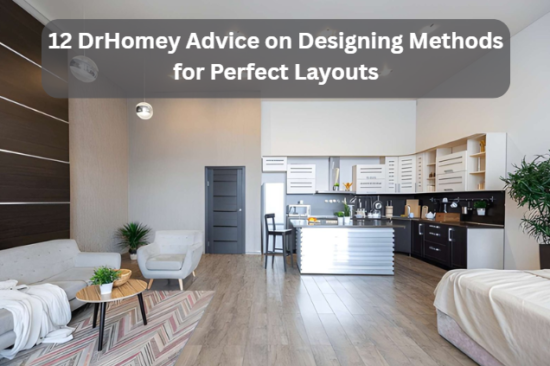
Design is not one time work.The final method in drhomey advice on designing is to test and adjust.
Live in your space. Notice what works and what does not. Change lighting. Adjust storage.Take your time.Good design grows with you.
Conclusion
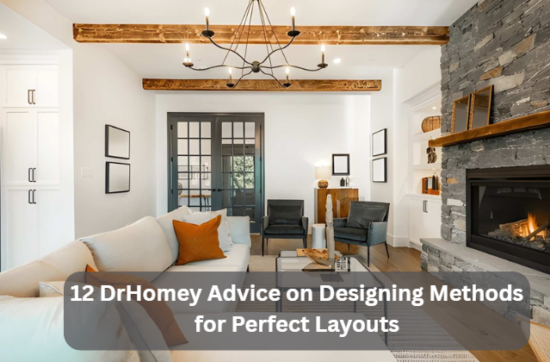
Effective design is not difficult. It is about gradually making better decisions.
These methods show how drhomey advice on designing focuses on real life. Not trends. Not perfection.Start with your needs. Plan your layout. Keep things simple. Add what matters.
A well designed home should feel easy to live in every day.
That is what truly makes a perfect layout.