

A home starts to feel tired after a few years. Paint fades. Layouts feel tight. Small problems turn into daily annoyances. Many people think fixing this means a full remodel with a huge budget. That is not always true.
Good Home renovation tips focus on smart changes, not just big ones.Your home’s appearance and functionality can be enhanced with the correct upgrades without costing you money.In the United States, many homeowners now choose simple upgrades that bring comfort and long term value.
This guide shares practical Home renovation tips that work in real homes.You will be able to determine what is most important, where to spend money, and where to hold back. It also covers design choices, storage ideas, and ways to improve daily living.
1.Plan Your Renovation With a Clear Goal

Every good renovation starts with a clear reason.More space is what some people desire. Some desire a more tidy layout or improved lighting. It is simple to waste money on things that don’t improve your everyday life when you don’t have a goal.
Examine how you use your house first. Take note of what seems strange.
It could be a dark kitchen or a crowded living room.detail these down in simple terms.
In many US homes, open layouts have become more common. This shift comes from the need for flexible living spaces. Families want rooms that serve more than one purpose. That is where ideas from Contemporary architecture can help. It focuses on space, light, and function instead of heavy decoration.
Set a priority for each change. Fix what affects daily comfort first.If you need to, leave the style upgrades for later. One common mistake is jumping on trends without thinking them through. Just because something looks great online doesn’t mean it’ll work in your space.
These home renovation tips can help keep you on track and save you from regrets down the road.
2.Set a Budget That Matches Reality

Money decisions shape the whole project. Many renovations go over budget because people guess costs instead of planning them.
Start with a precise amount that you can afford. Next, divide it into sections.Materials, labor, permits, and small extras all add up. In the US, labor can take a large share of the cost, especially for kitchens and bathrooms.
Add a buffer for unexpected issues. Old wiring or hidden water damage can appear once work begins. A small reserve keeps the project moving without stress.
Some homeowners try to cut costs by choosing the cheapest materials. That often leads to repairs later. It is better to spend on items you use every day such as flooring or cabinets.
If you are looking for ways to save, search for reliable sources like handy tips drhomey.
Good Home renovation tips always include smart budgeting.
3.Focus on Spaces You Use Every Day
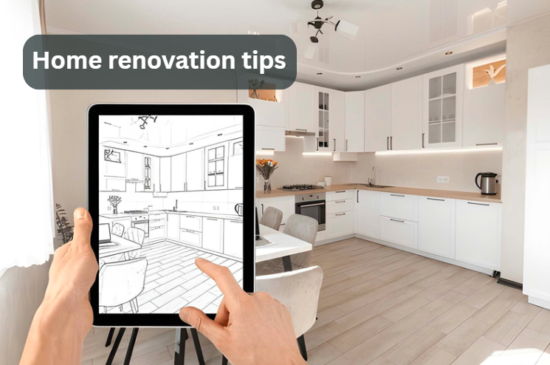
Not every room needs attention at once. Start with areas you use the most. Kitchens, bathrooms, and living rooms usually bring the biggest change in daily comfort.
In US homes, kitchen updates often give the best return.The entire atmosphere of the room can be changed with little adjustments like new cabinetry or improved lighting. To see results, a complete rebuild is not necessary.
Bathrooms also matter. Clean design and proper storage make a big difference. Even simple upgrades like modern fixtures or fresh tiles can improve the space.
When thinking about layout, study different House exterior design and interior flow. The outside shape of your home often affects how rooms connect inside.
One useful idea is to improve movement. If you feel blocked while walking through a room, something needs to change. Small layout fixes can solve this without major construction.
These Home improvement ideas focus on real use, not just looks. A space should feel easy to live in every day.
4.Improve Lighting for Comfort and Mood

More than most people understand, lighting has an impact on how your house feels. Poor lighting makes spaces feel small and dull.
Start with natural light. Open curtains. Use lighter colors on walls. Clean windows make a bigger difference than expected.
Artificial lighting should match the room’s purpose. Kitchens need bright light for work. Living rooms need softer light for comfort. Bedrooms should feel calm, not harsh.
Layered lighting works effectively in many contemporary homes. This means using more than one source in a room. Ceiling lights, lamps, and small accent lights each serve a role.
Design choices in Modern house design often use simple lighting setups that avoid clutter. Clean lines and soft tones help create a relaxed space.
One insight many guides miss is how lighting affects mood over time. Harsh lighting can cause fatigue. Soft lighting can make a room feel more welcoming.
5.Update Walls and Floors With Care

Walls and floors take up most of what you see in a home. Small changes here can refresh the entire space.
Paint is one of the easiest upgrades. Neutral colors work well in most US homes. They also make it easier to change decor later.
Avoid choosing colors that are too bold unless you are sure. Trends change fast. Simple tones last longer.
Flooring matters for both style and durability.Tile, vinyl, and hardwood are popular options. Each has a different cost and level of upkeep.
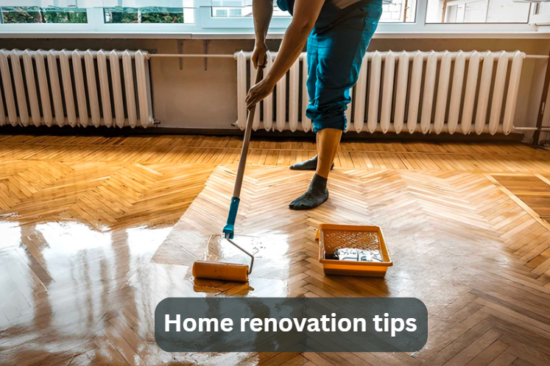
Many homeowners now choose materials that handle wear and tear better. This is important for busy households.
Look at Home design ideas that balance style and function. A floor should look good but also handle daily use without damage.
One useful approach is to test samples before making a final choice. Light and room size can change how colors look.
These renovation ideas keep your home practical while still feeling fresh.
6.Add Storage Without Making Spaces Feel Tight

Storage solves clutter, but too much can make a room feel crowded. The goal is to add space without closing the room.
Built in storage works well in smaller homes. Shelves that fit into walls save space and look clean.
Multi use furniture is another good option. Beds with storage or tables with hidden compartments help keep things organized.
In many US homes, clutter builds up over time. Renovation is a chance to reset. Keep only what you use.
A smart idea is to create storage near where items are used. This reduces mess and saves time.
These Home improvement tips focus on balance. Enough storage to stay organized but not so much that the room feels heavy.
7.Upgrade Fixtures for a Clean Look

It’s the little things that make a big difference. Even if you’ve updated other parts of your home, old fixtures can still make it feel outdated. Swapping out stuff like handles, faucets, and light switches for something more modern is a quick, cheap way to freshen things up.
Consistency matters here. Try to match finishes across rooms. It creates a sense of flow.
Sometimes during a renovation, the small finishing work gets ignored. Everything might look done, but something still feels a bit incomplete. It usually comes down to those little details that were rushed or skipped.
It also helps to keep things simple. Not every surface or material needs to stand out. If something is easier to clean and live with, that’s usually the better choice. People don’t think about that at the start, but they notice it later in daily use.
That’s really what these Home upgrades tips are about. Small decisions that make life easier without making things complicated.
8.Improve Energy Efficiency Over Time

Energy bills are just part of life for most homes in the United States. During a renovation, it makes sense to fix the things that quietly waste energy.
Old windows are a common issue. So is weak insulation. You don’t always notice it day to day, but it affects comfort all the time.
New appliances can also make a difference. The older ones still work, but they usually use more power than needed.
Some people install smart thermostats so the temperature adjusts on its own. It’s a small change, but it makes the system feel more controlled without constant adjustment.
People often try to save money in different ways, sometimes even using things like drhomey discount code for drhparentingcourse, but the bigger savings usually come from reducing energy loss in the home itself.
These Home renovation tips are really about making the house feel better to live in, not just look better.
9.Work With Professionals When Needed

There are parts of a renovation that are better left to people who do it every day. Electrical and plumbing work are good examples. If something goes wrong there, it can turn into a bigger problem quickly.
It might feel cheaper to handle everything yourself, but repairs later usually cost more than doing it right the first time.
Before hiring anyone, it’s worth checking what they’ve done before and what other people say about their work. In the US, licensed workers are easier to verify, which helps avoid bad experiences.
It also matters how you talk things through. If expectations are not clear, even good workers can end up doing the wrong thing.
Agreeing on cost and timing before starting avoids a lot of stress later. Even simple documented notes help keep things clear.
These renovation insights are mostly about avoiding problems you don’t want to deal with later.
10. Doors and windows start to matter more than you think
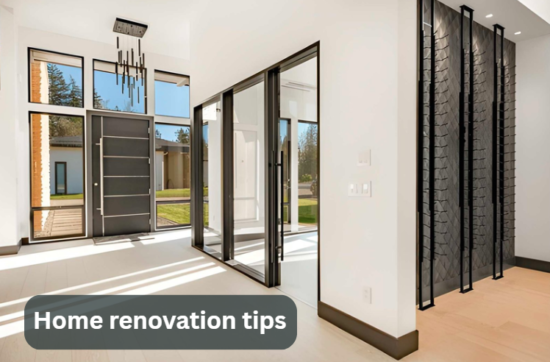
People usually focus inside the house and ignore doors and windows, but they quietly change how the whole place feels.
A door that looks old or stiff can make everything feel dated even if the room is fine. Sometimes just changing the handle or giving it a fresh coat of paint is enough to notice a difference.
Same with windows. If they are clean and let in good light, the whole house feels lighter without doing much work.
11. A bit of nature changes the mood of the house

You don’t need anything fancy here. Even a few plants in the corner can make a room feel less dull.
Natural textures like wood or stone also help the space feel warmer. A home with some natural touch always feels more relaxed, even if the design is simple.
It’s a small thing, but you feel it when you sit in the room every day.
12. Try to keep your space flexible, not fixed
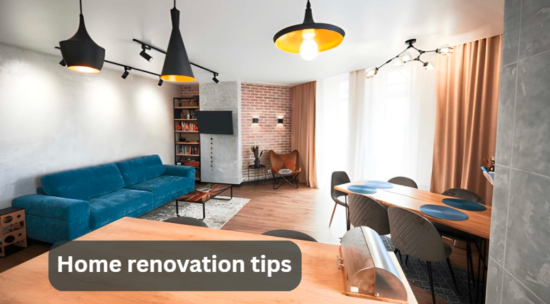
A room doesn’t always need to have just one purpose. Life changes, and your home should be able to adjust with it.
A spare room today might become a study later. A dining space might also turn into a work area. If you keep things flexible, you won’t feel stuck later.
It also saves you from doing full renovations again and again.
13. Make it feel like your home, not a display

After all the work is done, something still feels missing if the space has no personal touch.
It doesn’t need to be expensive decor. Even small things like family photos, books, or things you already own make the space feel real.
Without that, a house can look nice but still feel empty. A home only feels complete when it reflects the people living in it.
Conclusion

A home doesn’t need a full makeover to feel new. Most of the time, smaller changes done carefully make the biggest difference.
These Home renovation tips are about everyday comfort. Things like lighting, storage, and simple choices that actually make living easier.
There’s no need to rush it. When changes happen step by step, the result usually feels more natural. Read More about home tips at https://tipsdrhomey.org/